What to Buy in Japan for Kids: Japanese Toys, Stationery & Gifts by Age
This article contains affiliate links to Rakuten. If you buy through them, Japan Kids Travel may earn a small commission at no extra cost to you.
- Best for: Babies, toddlers, school-age kids and teens (separate guides for each age below)
- Budget: About ¥300–¥10,000+
- Easy to pack: Most picks are small enough for a suitcase or carry-on
- Where to shop: Stationery shops, Loft, Hands and department stores all over Japan; in Tokyo, try Ginza, Tokyo Station, Shibuya and Kappabashi
- If you specifically want Made in Japan: Check the country-of-origin label on the individual product
- Rather make a souvenir? See our unique things to do in Tokyo with kids, from indigo dyeing to chopstick carving
Tokyo is very good at selling things you did not know you needed. With children, though, I would skip most of the generic souvenir shelves and look for things that will still be useful after the trip: a tiny car they play with for years, good pencils, a lunch box, or a small towel that ends up living in a school bag.
One distinction is worth making before you shop. A Japanese brand is not necessarily made in Japan. Tomica, Sylvanian Families, Pokémon goods and many stationery brands are Japanese, but the manufacturing country varies by product. If Japanese manufacture matters to you, look for Made in Japan or 日本製 on the packaging rather than relying on the brand name.
Small enough to pack, useful enough to survive the holiday, and interesting enough that I would still buy it if it were not sitting in a souvenir shop.
This page covers the best Japanese buys across all ages. For longer lists with prices and where to find each item, go to the guide for your child’s age.
Japanese toys worth bringing home
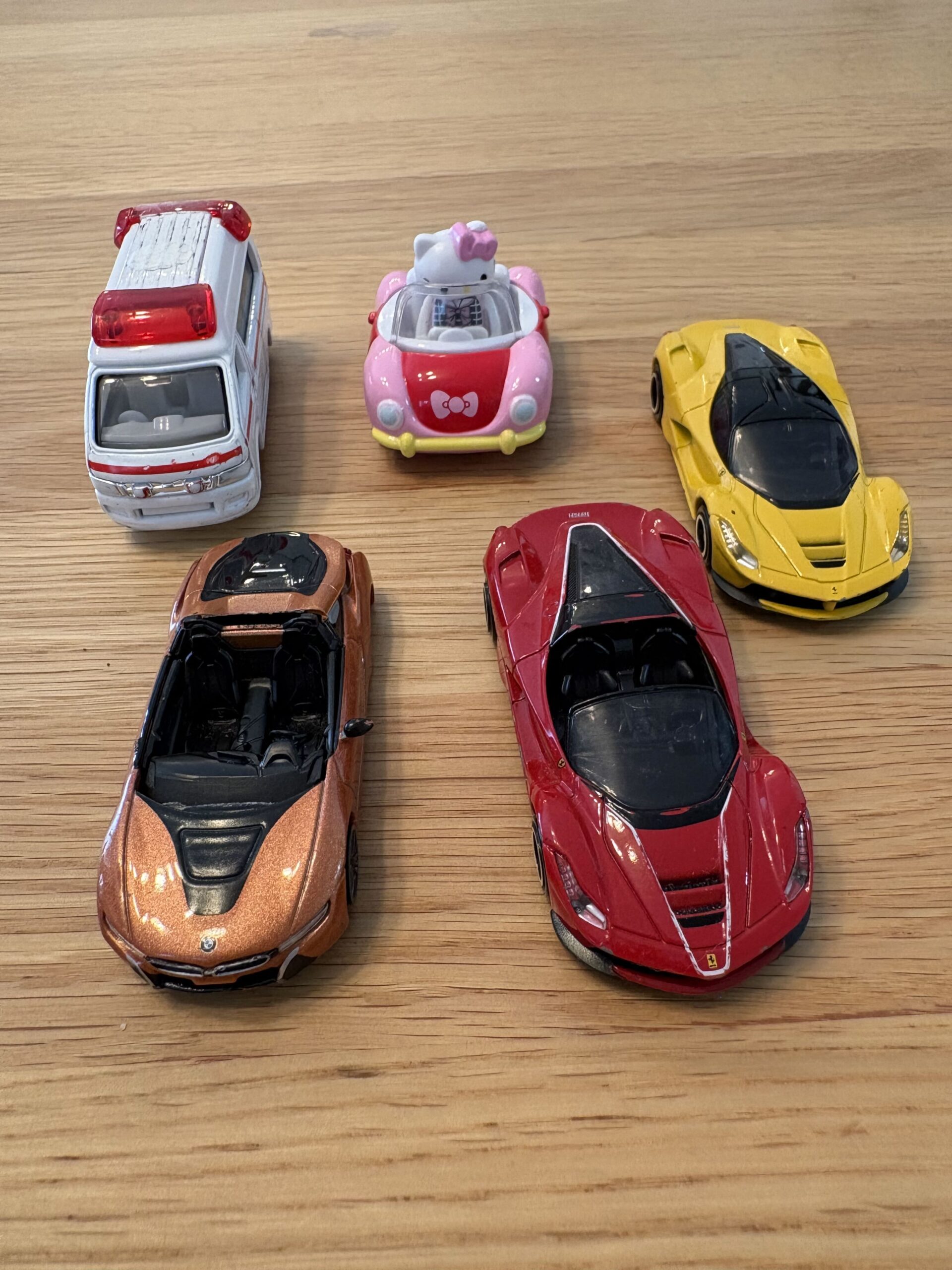
Tomica mini cars
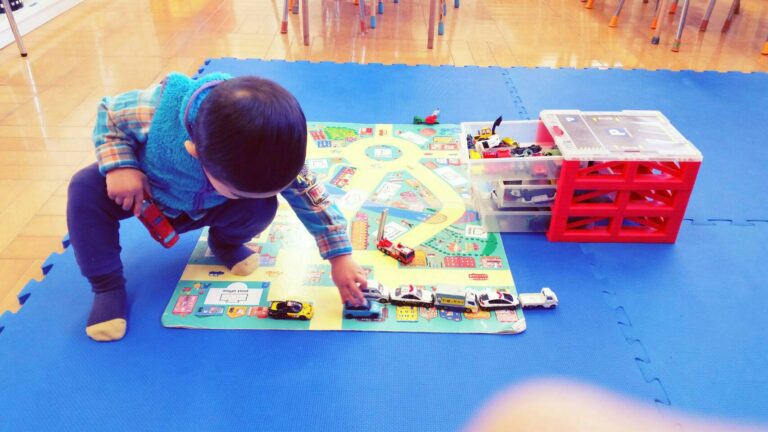
Tomica is a very Japanese toy-shop sight: rows of tiny cars, buses, construction vehicles and emergency vehicles packed into small red-and-white boxes. Children who like vehicles can spend a long time choosing one, and the size makes them unusually easy to bring home.
The Japan-specific models are the fun part for visitors. A Tokyo taxi, Japanese bus, police car or familiar local vehicle feels more connected to the trip than a generic souvenir.
Sylvanian Families
Sylvanian Families is another Japanese brand that works well as a travel purchase because you do not need to buy one of the enormous houses. A small baby figure, family set or accessory pack takes up very little room and is much easier to justify in a suitcase.
Japanese shops often have a much wider selection than visitors see at home, including seasonal goods and sets aimed at the domestic market.

Traditional toys and paper goods
If you want something that feels more obviously connected to Japan, traditional toys are an easy place to look. Origami paper is the simplest option; kendama, spinning tops and small wooden puzzles work better for children who want something they can actually play with.
These are also good purchases early in the trip. Origami or a small paper set can come out on a Shinkansen ride or while waiting for dinner rather than spending the whole holiday packed in a suitcase.
If your child would rather make something Japanese than buy it, Tokyo has short hands-on classes for that too: making washi paper, dyeing an indigo handkerchief or carving a pair of chopsticks. Our guide to Japanese experiences for kids in Tokyo lists ages and prices for each.

Character goods that do not take over the suitcase
Pokémon everyday goods
A giant plush toy is fun until you have to get it onto the plane. Smaller Pokémon items are usually much easier: socks, mini towels, chopsticks, lunch goods, toothbrushes, notebooks and bath products.
The Pokémon Center has the widest selection, but ordinary variety stores and drugstores can be better if you want something inexpensive and practical rather than a collectible.

Character stationery and small everyday goods
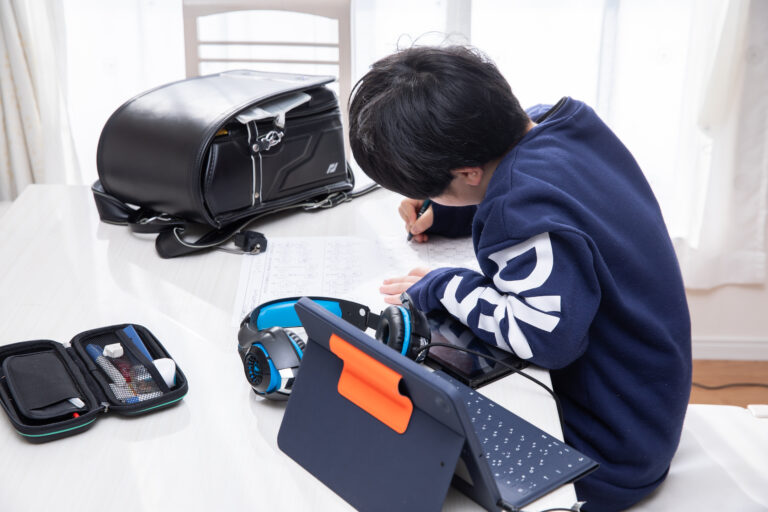
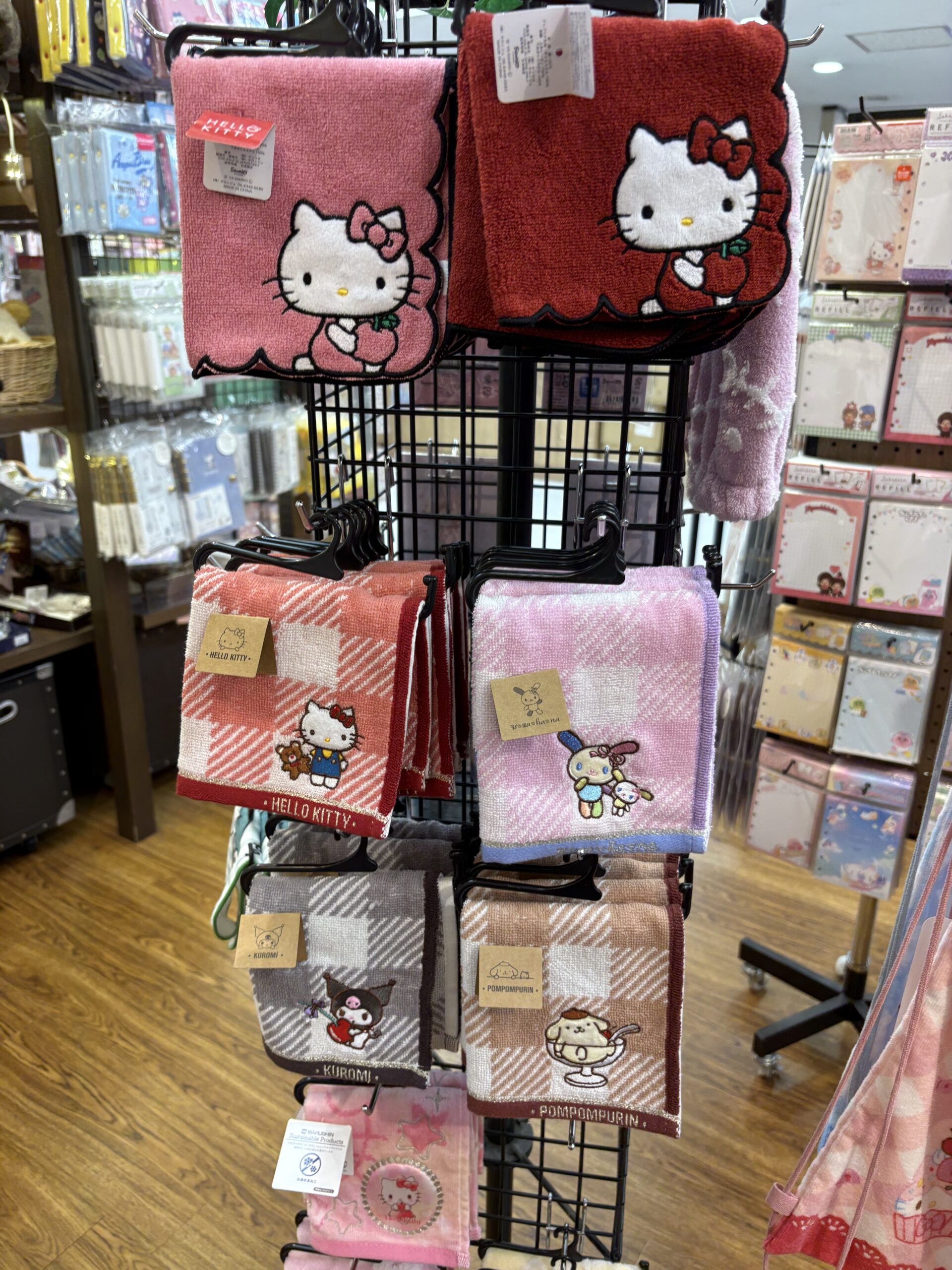
Stationery is where character shopping becomes much more manageable. A pencil case, sticker sheet or tiny notebook gives a child the fun of choosing a character item without using half the luggage allowance.
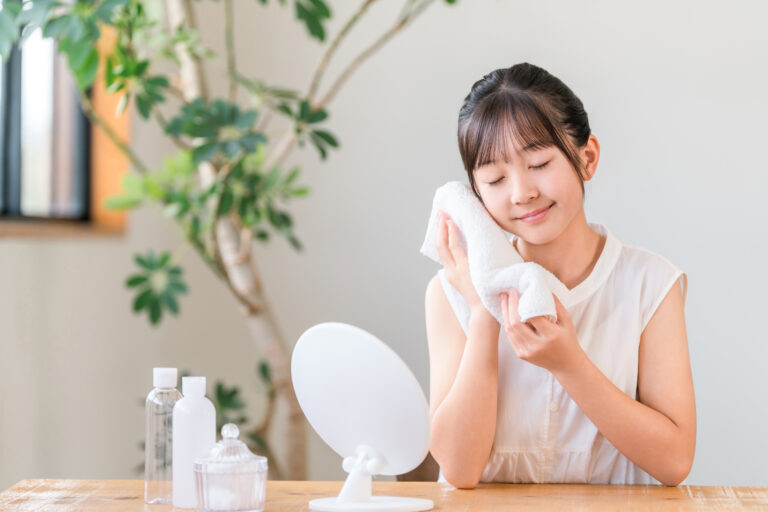
Small towels are another good option. They are inexpensive, genuinely useful in Japan and easy to keep using once you get home.
Japanese stationery for kids and teens
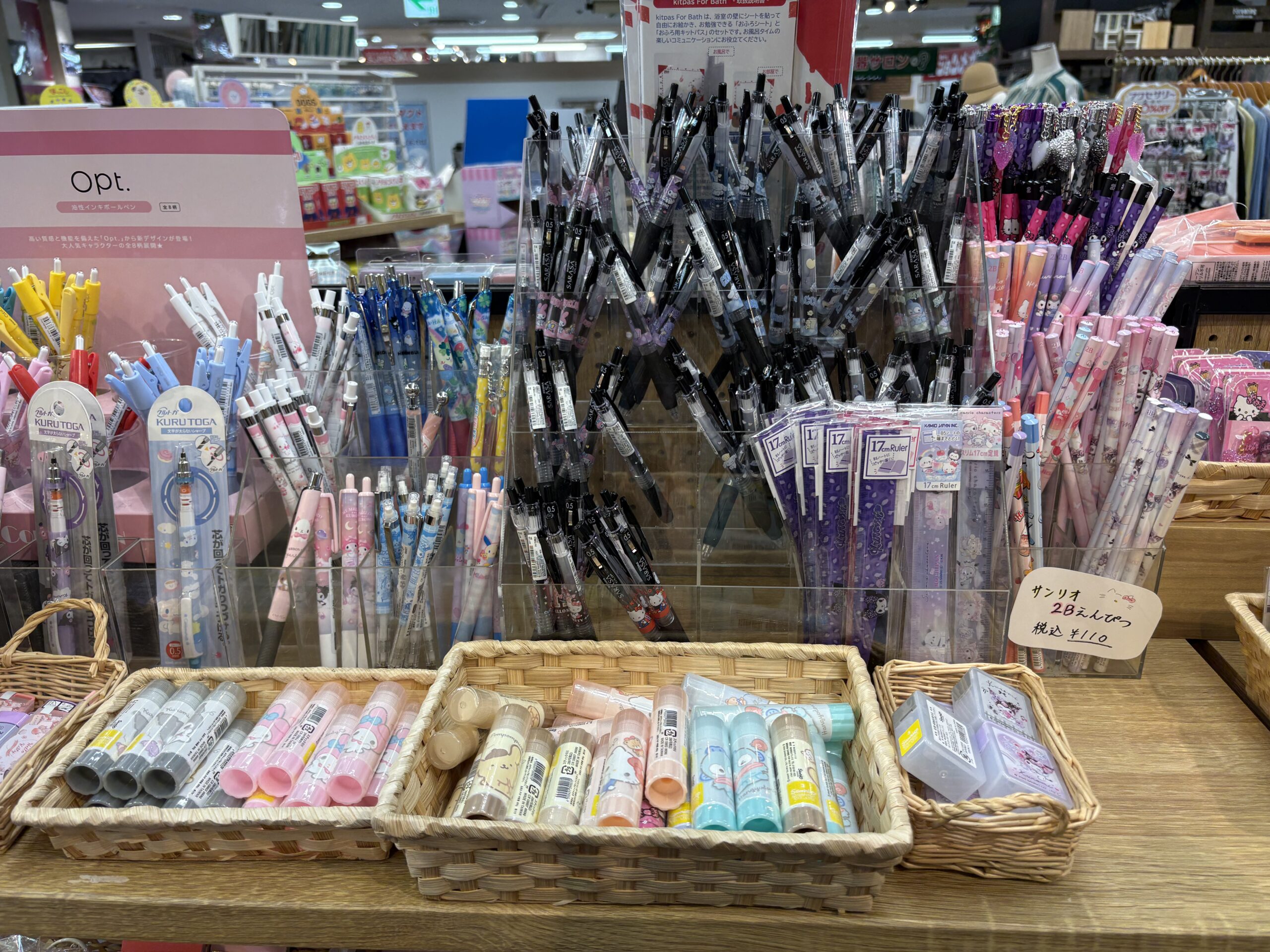
This is the category where I would happily let an older child browse for a while. Japanese stationery shops make ordinary school supplies strangely enjoyable, and most purchases cost very little compared with toys or character collectibles.
School pencils, pens and erasers
Japanese elementary-school children commonly use softer pencils such as 2B, while older children may be more interested in mechanical pencils, fine pens or erasable pens. Erasers are another easy category: plain high-quality ones sit beside novelty shapes and character versions.
These are inexpensive enough that children can choose for themselves, which often makes the purchase more memorable than handing them a souvenir selected by an adult.
Child-sized scissors and craft tools
Japanese stationery departments often have very good child-sized scissors, glue, rulers and craft tools. They are not glamorous souvenirs, but for a child who draws and makes things at home they can be far more useful than another key ring.


Stickers, washi tape and small paper sets
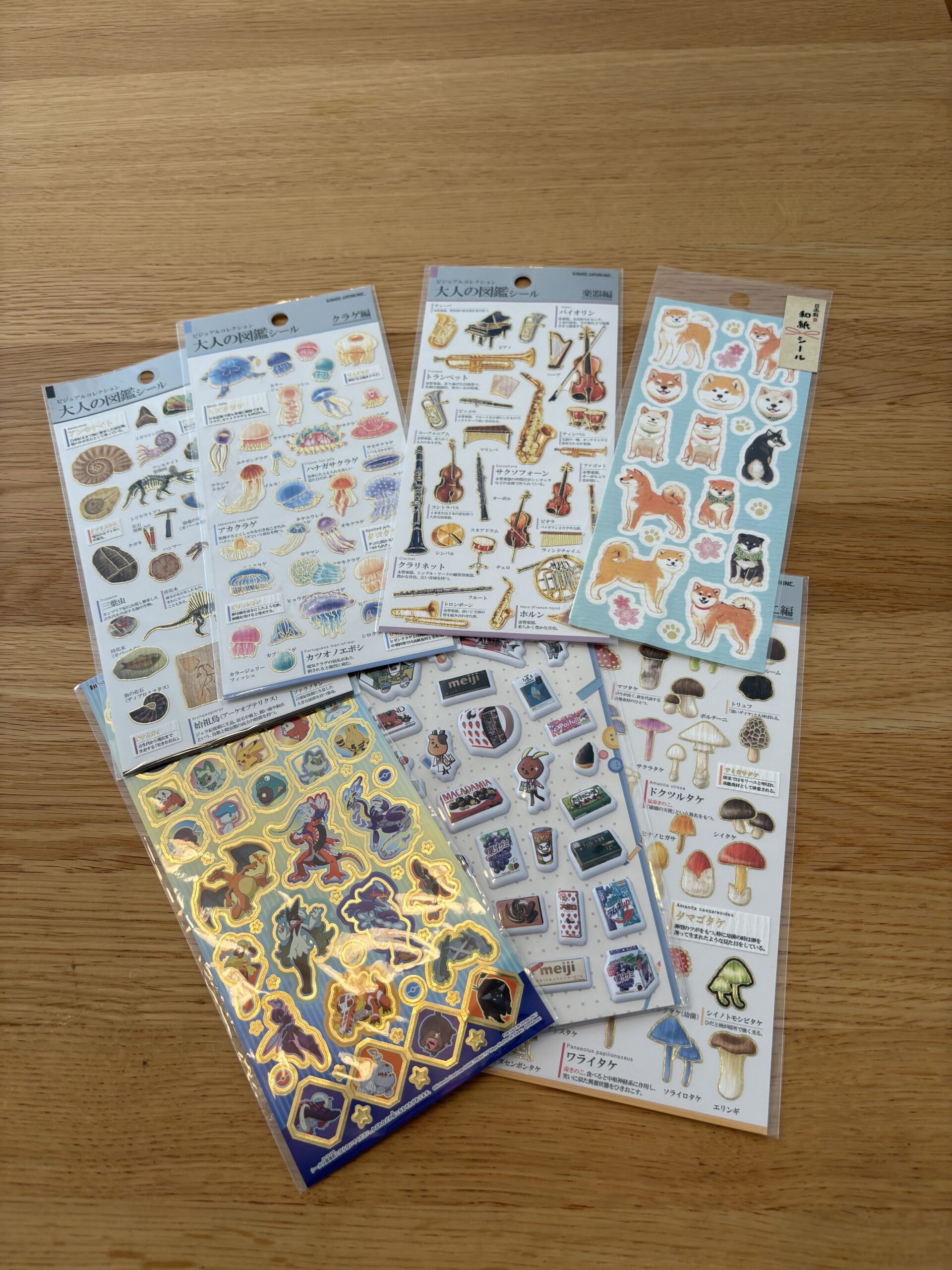
Sticker sheets, washi tape, origami paper and tiny notebooks are useful purchases because children can start using them immediately. I would buy these near the beginning of the trip rather than on the final day; they are handy on trains, in cafés and during restaurant waits.
Useful Japanese household items for families
Bento boxes and lunch accessories
Bento sections are much more interesting when you look beyond character lunch boxes. You will find compact containers, small chopstick sets, sauce pots, dividers and accessories designed around packing a real lunch.
Before buying, check the size carefully. Japanese children’s lunch boxes can be smaller than international families expect, especially for older school-age children.

Small towels and gauze handkerchiefs
Small towels are an everyday item in Japan because public washrooms do not always provide paper towels. With children, they end up being useful for far more than hand-drying.
Gauze and cotton versions are light, easy to pack and make straightforward gifts for babies or relatives. If you want a Japanese-made textile, this is also a category where it is worth checking the label rather than assuming.

How to tell whether something is actually made in Japan
- Look for Made in Japan or the Japanese wording 日本製 on the product or packaging.
- Do not use a Japanese brand name as proof of manufacturing origin.
- For food-contact items such as lunch boxes or chopsticks, check the label on the individual item; products within the same brand may have different origins.
- If the label is unclear, department-store or specialty-shop staff are usually a better source than guessing from the packaging design.
- If manufacturing origin does not matter to you, Japanese-brand products can still make excellent souvenirs. They are simply a different category from Japanese-made products.
A good example of what to look for: some children’s tableware is labelled 日本製 right in the product name, like the set below.

Beyond shopping: make a souvenir together
Love Japanese souvenirs? Why not make one yourself? From indigo dyeing and fake food to sushi rolling and ninja training, these hands-on Japanese experiences in Tokyo are made for families, and many send kids home with something they made.
See 15 Japanese experiences for kids →Where I would shop in Tokyo
The best stop on this list if stationery is the main objective. Good for pencils, pens, notebooks, stickers, paper and gifts for older children or teens.
Best if you want bento goods, chopsticks, ceramics and kitchen tools. Check origin labels carefully because the area carries both Japanese-made and imported products.
The easiest all-round option. Useful for stationery, character goods, lunch items, travel accessories and inexpensive gifts in one stop.
Strong for stationery, craft supplies, travel goods and practical household products. A good choice when different family members want completely different things.
Worth checking for baby gifts, textiles, tableware and better-quality Japanese-made goods. They are also much easier with a stroller than many small specialist shops.
Electronics chain that also sells toys at many branches, including Tomica and other boxed toys. Visitors can use the store coupon in the box below on top of the tax refund.
Convenient for character stores, train-related toys and last-minute gifts. It is fun but busy, so I would not leave all family shopping until the final hour before a train.
Tax-free shopping changed in November 2026
For purchases from November 1, 2026, tax-free shops charge the full tax-included price. You get the consumption tax back when you leave Japan: show your purchases at customs at the airport before you check in your bags, within 90 days of buying. Bring your passport to the store and keep the items unused. The minimum is still ¥5,000 (before tax) in one store on the same day. Official guide from the Japan Tourism Agency
The big chains also give visitors a free extra discount on top. Open the coupon on your phone and show it before you pay; it cannot be added after payment.
Coupon terms change often. Check the coupon page before you shop. Last checked: November 2026.
If you know exactly what you want, ordering from Rakuten Ichiba or Amazon Japan can be easier than visiting five shops for one item, especially with young children.
- Your card: Rakuten Ichiba accepts overseas-issued Visa, Mastercard, JCB, American Express and Diners Club cards, though a few shops have their own restrictions. Amazon Japan generally accepts major international cards too, but approval isn’t guaranteed.
- Hotel delivery: Ask your hotel first. Not every hotel accepts packages for guests.
- Delivery dates: Make sure the order arrives well before you check out.
- Language: Both sites are mainly in Japanese, so your browser’s translation feature helps.
For small things like stickers or pencils, a local shop is usually easier. For one specific toy or set, ordering online is worth considering.
Before you buy
- Check the country of origin if “made in Japan” is important to you.
- Buy for the child you have. A good pen for a drawing-obsessed eight-year-old may be a much better souvenir than an expensive traditional object they never touch.
- Think about luggage before buying large toys. Tiny figures, cars, paper goods and towels are much easier.
- Buy travel activities early. Stickers, origami and notebooks can earn their suitcase space before you even leave Japan.
- Compare ordinary stores with tourist shops. Some of the nicest family purchases are everyday things from stationery shops, department stores and supermarkets.
Planning the rest of your Japan trip?
Most families shop in Tokyo, then move on. These guides help with the rest.
Planning Tokyo with kids?
Practical guides for getting around the city, choosing family-friendly areas and making everyday travel easier.