Kyoto with Kids: Best Things to Do, Stroller Tips & Itineraries
Kyoto can be wonderful with children, but the trip works much better when you stop trying to see every famous temple and plan around your child’s age, walking stamina and interests instead.
- Best for: Families with children of all ages, especially school-age kids
- With babies: Bring a carrier even if you also use a stroller
- Best rainy-day choices: Kyoto Railway Museum and Kyoto Aquarium
- Classic Kyoto with kids: Fushimi Inari, Kinkaku-ji, Kiyomizu-dera and Arashiyama
- How many days: Two to three days is much easier than squeezing Kyoto into one day
- Transport: Use trains and subway where possible; buses can be crowded around major sights
Kyoto is one of those places where adult itineraries can go wrong very quickly once children are involved. Five temples that look completely different to an adult may still feel like five temples to an eight-year-old.
I would build each day around one or two major Kyoto sights, then add something that gives children a change of pace: trains, an aquarium, manga, food, a river walk or an activity where they can actually do something.
The good news is that Kyoto has much more for families than temples. The trick is choosing the right mix.
I would not try to see Fushimi Inari, Kinkaku-ji, Kiyomizu-dera and Arashiyama in the same day. They sit in different parts of the city and the transfers are tiring with children. Pick one area for the morning, leave room for lunch and a break, and make the second half of the day easier.
Kyoto by age: what tends to work best
Best places in Kyoto with kids at a glance
| Place | Best for | Allow | Stroller | Rain |
|---|---|---|---|---|
| Fushimi Inari | Ages 4+ | 1–2 hrs | Limited beyond lower area | Poor |
| Arashiyama | All ages | Half day | Mostly manageable | Fair |
| Kinkaku-ji | All ages | 45–60 min | Limited in parts | Fair |
| Kiyomizu-dera | Ages 5+ | 1.5–2 hrs with approach | Awkward | Fair |
| Kyoto Railway Museum | Ages 1–10+ | 3–5 hrs | Excellent | Excellent |
| Kyoto Aquarium | Babies–8 | 2–3 hrs | Excellent | Excellent |
| Nishiki Market | Ages 6+ | 1–1.5 hrs | Difficult when busy | Good |
| TOEI Kyoto Studio Park | Ages 4–12 | Half day+ | Generally manageable | Mixed |
| Manga Museum | Ages 8+ | 1.5–3 hrs | Good | Excellent |
| Nijo Castle | Ages 7+ | 1.5–2 hrs | Grounds easier than interiors | Fair |
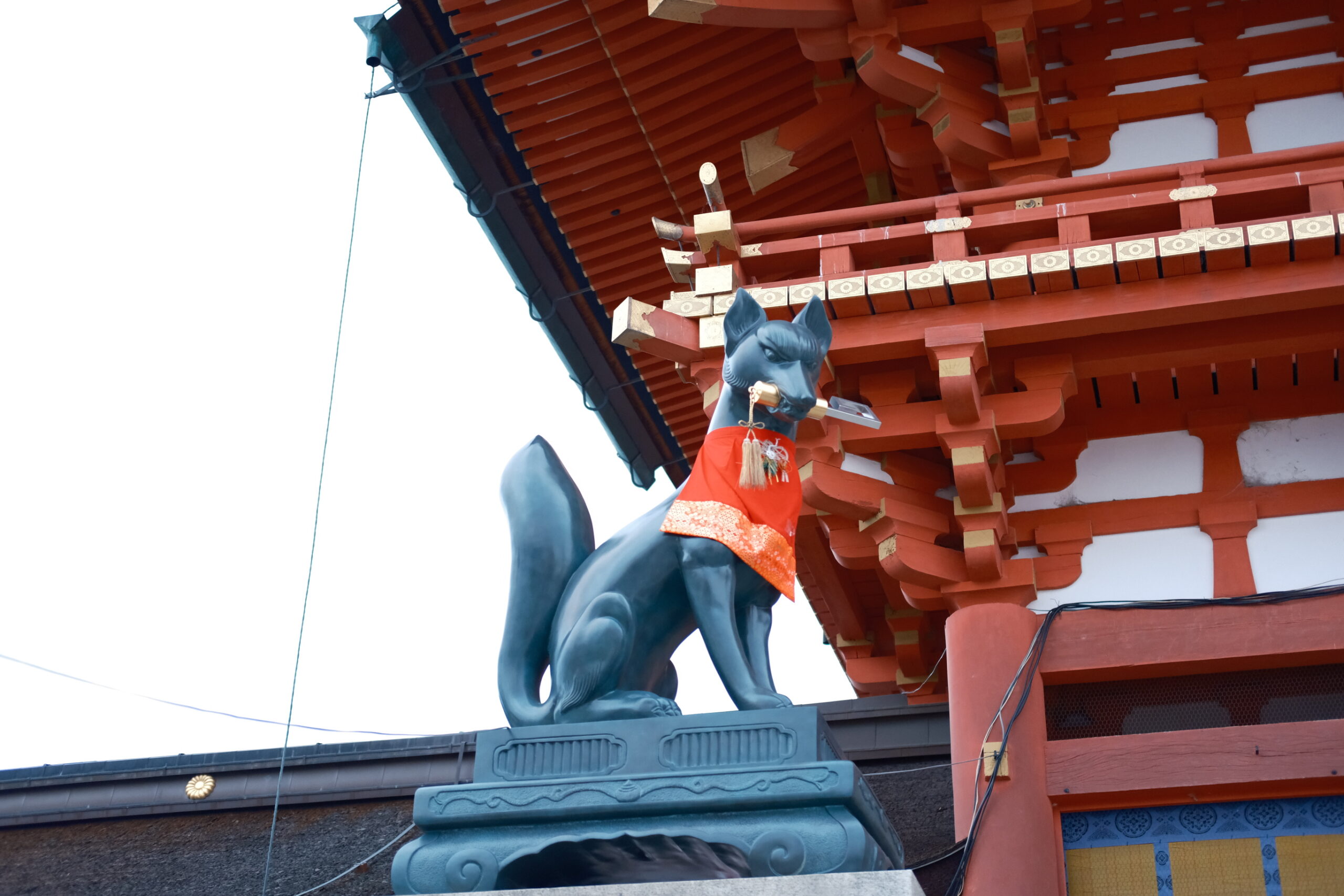
Fushimi Inari Taisha
Fushimi Inari works surprisingly well with children because it does not feel like a place where they have to stand quietly and admire a building. You walk through tunnels of bright vermilion gates, spot fox statues and gradually climb into the forest.
The important thing is that you do not need to reach the summit. With younger children, seeing the main shrine and walking through the lower torii sections is enough to get the experience.
Older children who like walking can continue farther up the mountain. If you plan to do that, bring water, use the toilet before climbing and allow much more time than you would for a simple shrine visit.
- Baby: use a carrier if you plan to go beyond the lowest sections
- Preschool: keep the visit short rather than turning it into a summit mission
- School age: make the gates, foxes and climb part of the adventure
- Older kids: consider a longer walk if everyone genuinely wants one
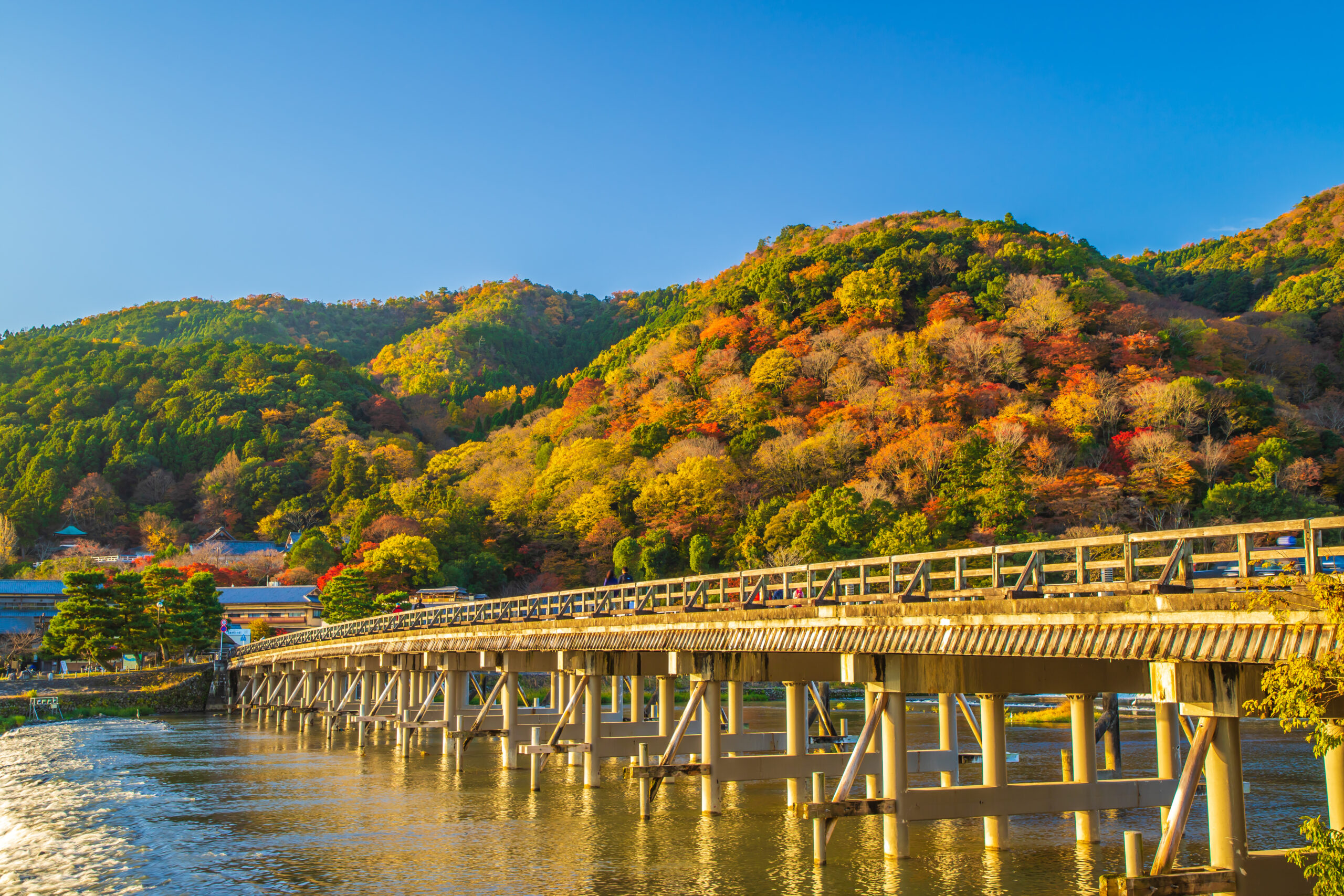
Arashiyama
Arashiyama works better as an area than as a single attraction. Instead of arriving only to photograph the bamboo grove, make a half day of it and give children some variety.
A simple family route is to start around Saga-Arashiyama or Randen Arashiyama Station, walk through the central streets, see Togetsukyo Bridge, visit Tenryu-ji and continue into the bamboo grove.
Tenryu-ji’s garden gives you the Kyoto temple experience without requiring children to spend hours inside one complex. The garden is open from 8:30 to 17:00, and current garden admission is ¥500 for high-school age and older, ¥300 for elementary and middle-school children, with preschoolers free.
- Young children: keep the route around the river, main streets and bamboo relatively short
- School-age kids: add Tenryu-ji or another activity rather than making the bamboo grove the entire outing
- Hot weather: build in drink and snack stops; Kyoto summer heat changes how far children can realistically walk
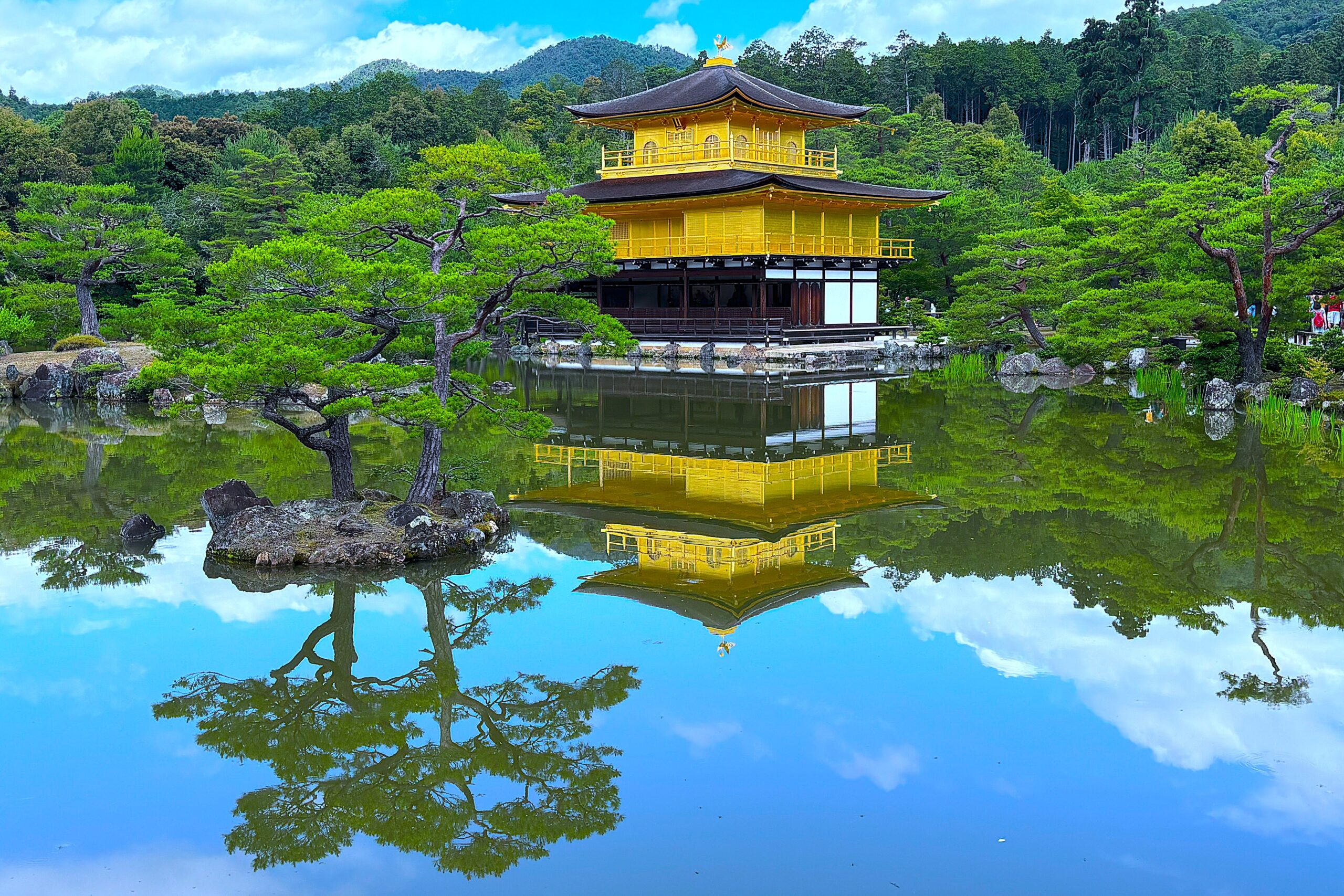
Kinkaku-ji: the Golden Pavilion
Kinkaku-ji has one enormous advantage with children: nobody has to explain why they should look at it. The gold pavilion appears across the pond and usually gets an immediate reaction.
Turn the first viewpoint into a small game and ask children to look for the reflection of the pavilion in the pond. Older children can get a short version of the history before entering rather than a long lesson once everyone is already tired.
The route is compact enough to fit into a half-day plan. Current visiting hours are 9:00 to 17:00, with admission of ¥500 for adults and ¥300 for elementary and middle-school students.
Kiyomizu-dera and the Higashiyama streets
Kiyomizu-dera is worth more than a line in a list, but it is not the place I would choose for a tired toddler at the end of the day. The approach involves uphill streets, crowds and a lot of walking before you have even explored the temple itself.
With school-age children, however, the walk becomes part of the outing. Pair the temple with the old Higashiyama streets rather than treating them as separate attractions.
Kiyomizu-dera opens at 6:00 in the morning, while closing time changes with the season and special evening openings. An early start is particularly useful here.
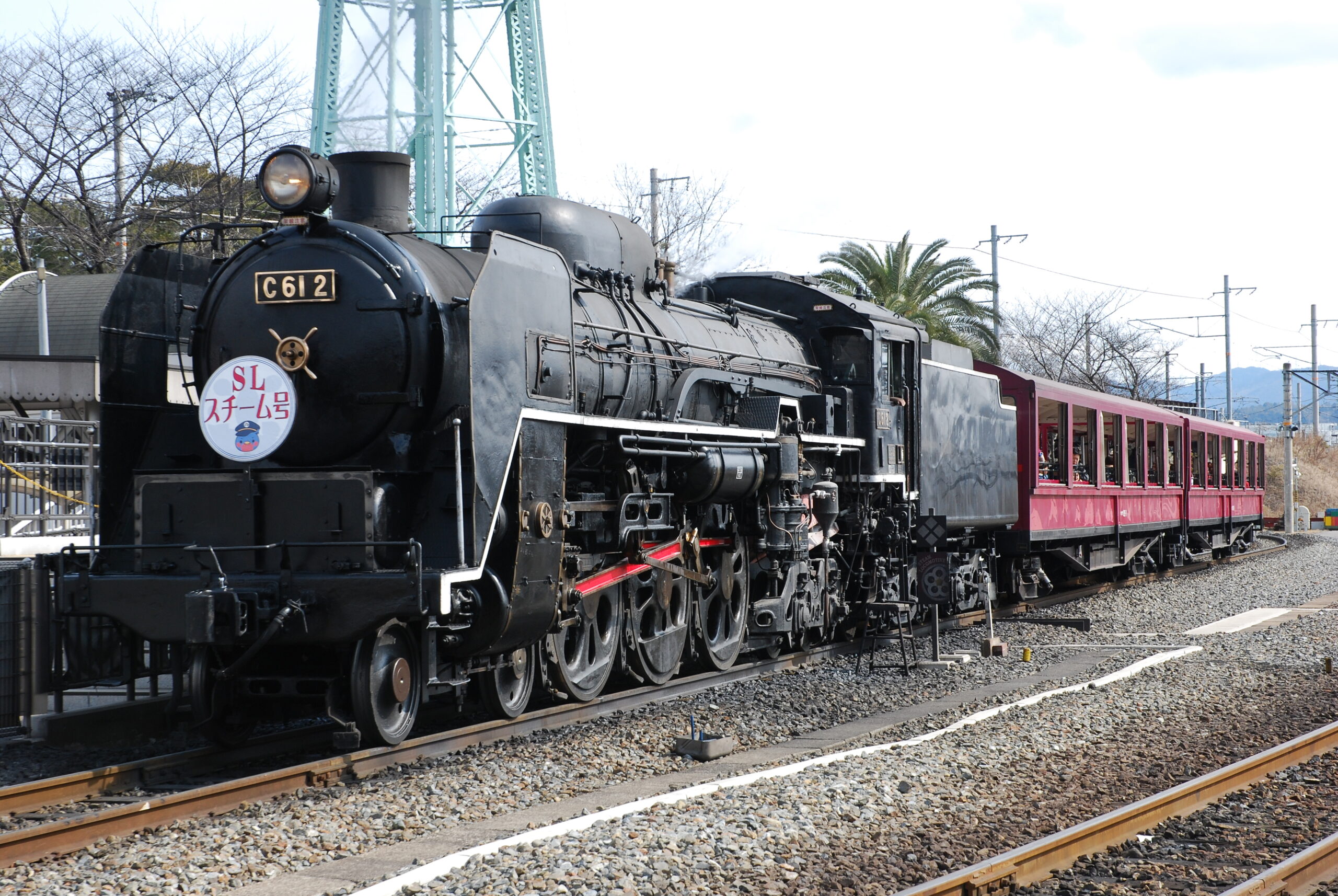
Kyoto Railway Museum
If your child likes trains, do not treat this as a one-hour filler between temples. It can easily become the main event of the day.
The museum has real railway vehicles, spaces children can explore, a large model railway display and a driving simulator. Simulator tickets require advance purchase, so check availability before your visit if that is important to your child.
This is also one of the easiest Kyoto attractions with a stroller and one of the safest choices when the weather turns bad.
Current museum hours are 10:00–17:00 with last admission at 16:30. General admission is ¥1,500 for adults, ¥1,300 for university/high-school students, ¥500 for elementary/junior-high students and ¥200 for children age 3 and over. Wednesdays are normally closed, with exceptions during some holiday periods.
Kyoto Aquarium
Kyoto Aquarium is not the reason most families fly to Kyoto, but that is exactly why it can be useful. When everyone has had enough temples, heat or rain, it gives younger children something completely different.
It is in Umekoji Park, close to the Railway Museum, so the two make an easy family-focused day without long cross-city transfers.
Current general admission is ¥2,600 for adults, ¥2,000 for high-school students, ¥1,400 for elementary and middle-school students and ¥900 for children age 3 and over. Opening hours vary by date. The aquarium has nursing rooms and diaper-changing facilities.
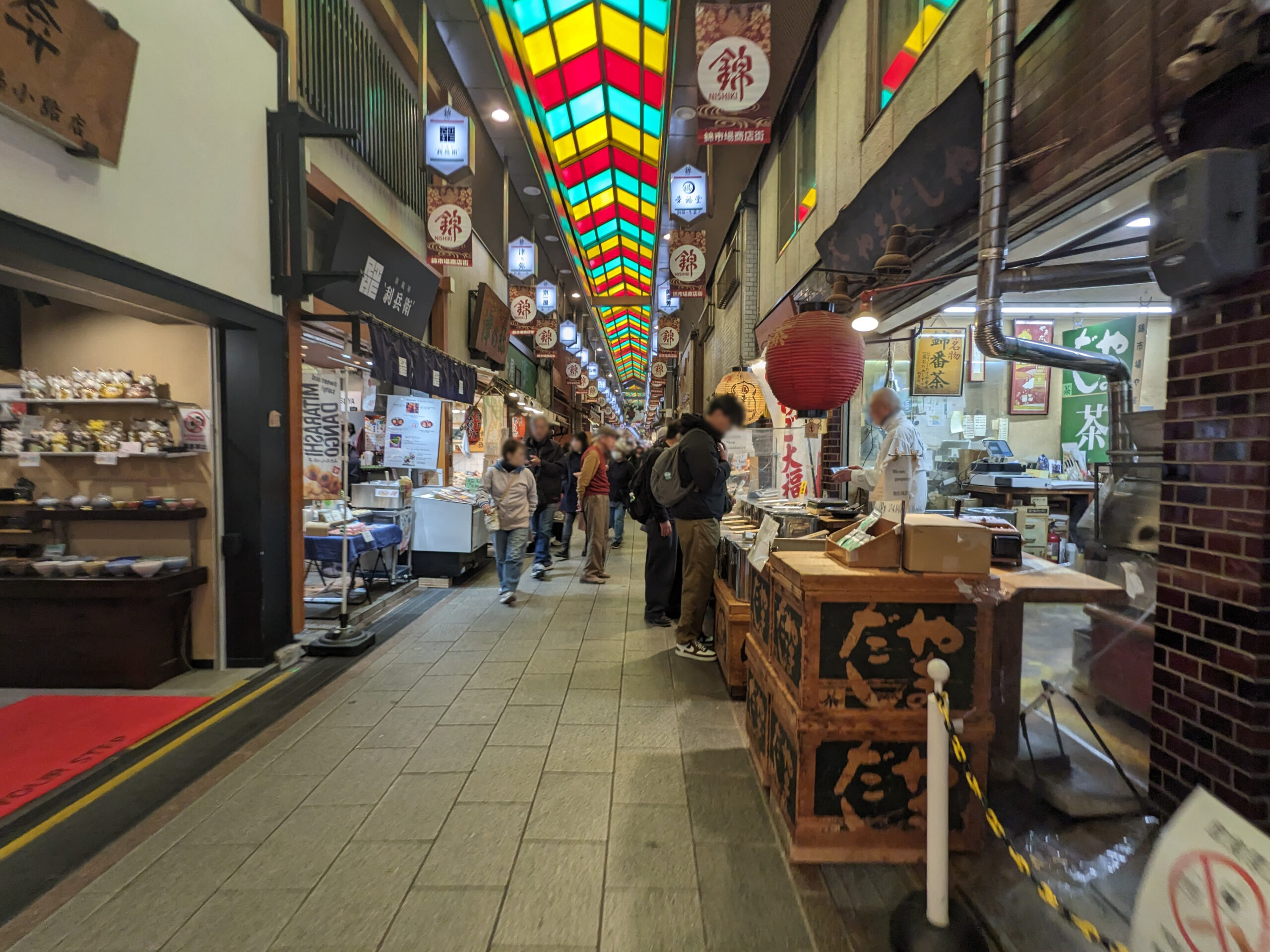
Nishiki Market
Nishiki is more interesting with children when you treat it as a place to look, choose and taste rather than a box to tick off a sightseeing list.
Let school-age children choose one or two things to try. The market is narrow, though, and becomes uncomfortable quickly with a wide stroller or a child who needs space to run.
One important etiquette point: Nishiki Market asks visitors not to eat while walking. Eat at the shop where you bought the food or take it away.
TOEI Kyoto Studio Park
If your child needs more action than another temple can provide, TOEI Kyoto Studio Park is the obvious counterweight.
The park reopened its first renewed area in March 2026 and combines Edo-period streets with ninja, period-drama and Japanese hero attractions. Some experiences and attractions cost extra, so check the current programme before deciding how long to stay.
This is particularly useful for children who are interested in ninjas or samurai but are not yet at an age where historical architecture alone holds their attention.
Kyoto International Manga Museum
For a child who already reads manga, this is not a consolation prize for a rainy day. It can be one of the most personally relevant places on the Kyoto itinerary.
The museum is compact enough to fit between other central-Kyoto plans and allows same-day re-entry. Current hours are 10:00–17:00 with last admission at 16:30, and it is normally closed on Wednesdays.
Current admission is ¥1,200 for visitors over 19, ¥400 for ages 13–18 and ¥200 for ages 6–12. Children younger than 6 are free.
Nijo Castle
Nijo Castle works particularly well once children are old enough to understand shoguns, castles and the idea that buildings themselves can tell you something about power and everyday life.
The grounds also give families more space than Kyoto’s narrow tourist streets. I would choose it for an older child who is beginning to engage with Japanese history rather than automatically adding another shrine.
The castle is currently open from 8:45, with last general admission at 16:00 and closing at 17:00. Grounds-only admission is ¥800 for adults, ¥400 for junior-high/high-school students and ¥300 for elementary-school students. Entry to Ninomaru Palace costs extra.
Easy day trip: Nara with kids
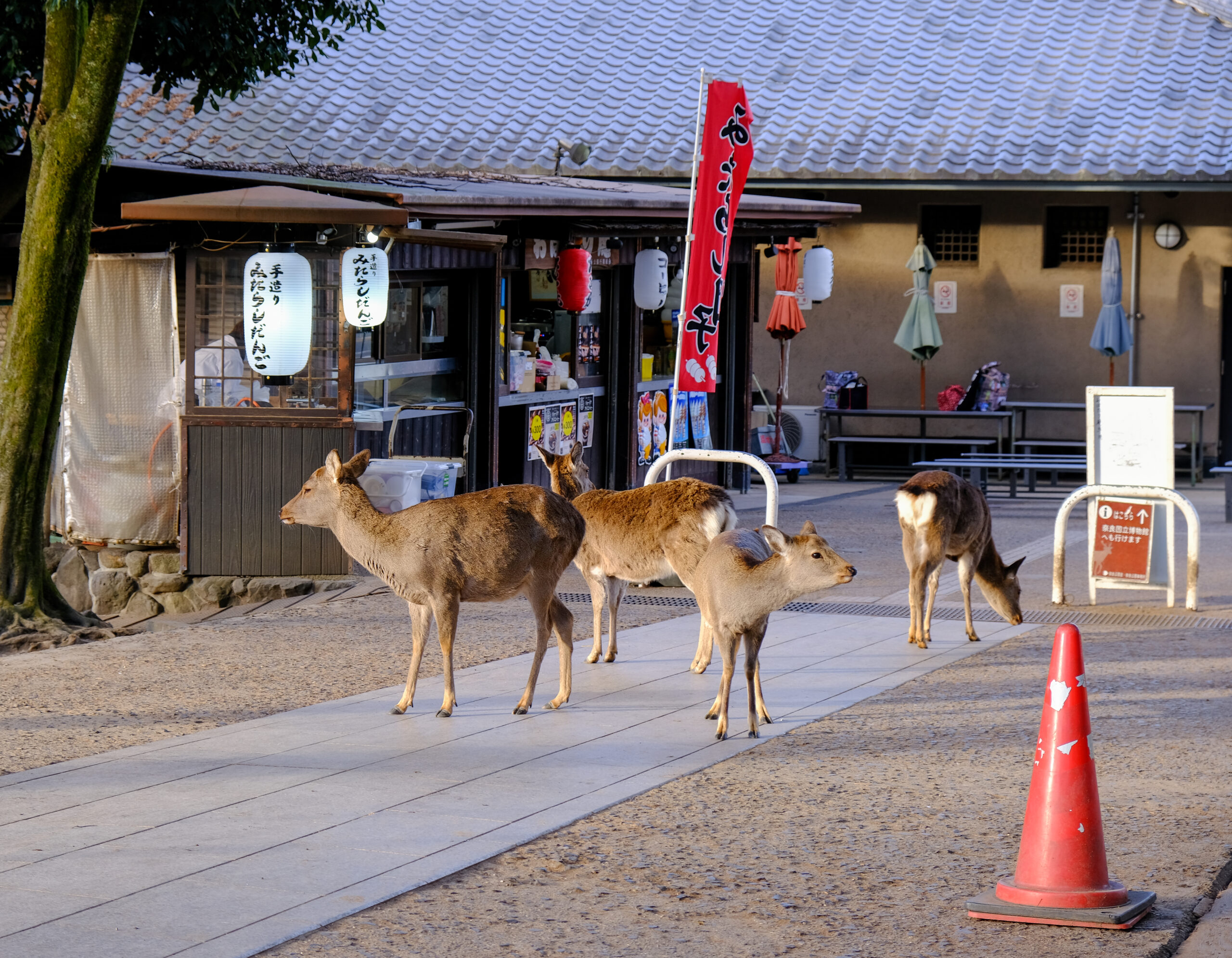
Nara Park and the deer
Nara deserves its own category rather than being counted as one of Kyoto’s attractions. If you have enough days, it is an easy day trip and gives children something completely different from temples and city streets.
The deer are the obvious draw, but they are still animals. Stay close to small children around food, and do not assume a deer will behave like a pet.
How many temples is too many with kids?
This is where I would plan very differently from an adults-only Kyoto trip.
One major temple or shrine in a half day is plenty. Use the rest of the time for parks, trains, food or an indoor stop.
Two can work if they feel very different — for example Fushimi Inari followed later by Kinkaku-ji.
History starts to matter more, but I would still alternate cultural sights with food, shopping or an activity.
Give them some choice. Manga, shopping, food or photography may be as memorable as the temples adults planned.
Choose Kyoto by your child’s interests
Kyoto Railway Museum.
Kyoto Aquarium or a Nara day trip.
TOEI Kyoto Studio Park.
Kyoto International Manga Museum.
Fushimi Inari, Kinkaku-ji, Kiyomizu-dera and Arashiyama.
Nishiki Market, Kyoto Station and the central shopping districts.
Kyoto with kids: 1, 2 and 3-day itineraries
Morning: Fushimi Inari early
Late morning / lunch: Travel toward Higashiyama
Afternoon: Kiyomizu-dera and the surrounding streets
Evening: Finish before everyone is exhausted rather than adding another major sight
Morning: Kyoto Railway Museum
Lunch: Umekoji area
Afternoon: Kyoto Aquarium or return to the hotel for a break
This is not the most traditional-looking Kyoto day, but it is one of the easiest with a very young child.
Day 1: Fushimi Inari + Kiyomizu/Higashiyama
Day 2: Arashiyama as a half-day or longer outing
If your child loves trains, swap part or all of Day 2 for the Railway Museum rather than forcing another sightseeing area.
Day 1: Fushimi Inari + Higashiyama
Day 2: Arashiyama
Day 3: Kinkaku-ji + one child-led choice such as Railway Museum, Manga Museum or TOEI Studio Park
I prefer this balance to three straight days of temples.
Should you use a stroller in Kyoto?
Yes, but do not expect it to work everywhere.
A stroller is useful for stations, shopping areas, Kyoto Station, the Railway Museum, the Aquarium and many flat city streets. The problem begins at temple and shrine grounds, where gravel, slopes and steps can turn it into extra luggage.
Use a stroller for moving around the city, but bring a carrier on days that include Fushimi Inari, Kiyomizu-dera or multiple historic sites. Kyoto is one of the places where having both can genuinely be useful.
Getting around Kyoto with children
Do not build your whole plan around city buses. They are useful, but buses serving famous attractions can be crowded and traffic can make travel times unpredictable.
Often the easiest option for Fushimi Inari, Arashiyama, Nara and the Umekoji area.
Useful for moving through central Kyoto without road traffic.
Necessary for some sights, including Kinkaku-ji, but less pleasant with a stroller when crowded.
Worth considering for short cross-city jumps when children are tired or several fares are involved.
Rain and summer heat can change the plan
Kyoto weather matters more with children than it does on an adult sightseeing checklist.
Railway Museum, Kyoto Aquarium and Manga Museum are the easiest major substitutes.
Start outdoor temples early, take a long indoor break around midday and avoid planning a major hill walk in the hottest part of the afternoon.
Expect transport, famous streets and major sights to take longer than the map suggests.
Drop one attraction. Kyoto is much better when you stop before the whole family stops enjoying it.
Where to stay in Kyoto with kids
Easiest for families prioritising transport, the Railway Museum, day trips and simple arrivals and departures.
Good for restaurants, shopping and central access, with more going on around the hotel in the evening.
Best for atmosphere and walking to classic Kyoto sights, but less convenient with a large stroller and tired young children.
Lovely if Arashiyama itself is a major part of the trip, but not my first choice as a citywide base for a short first visit.
Practical tips I would actually use
- Start one major outdoor sight early rather than trying to beat the crowds at every attraction.
- Plan geographically. Fushimi Inari, Arashiyama and Kinkaku-ji are not a sensible three-stop family itinerary just because they appear on every Kyoto list.
- Carry a baby carrier on historic-sightseeing days even if your stroller is normally your main mode of transport.
- Build one child-led activity into every one or two days of adult-led sightseeing.
- Kyoto Station is a useful reset point for toilets, food, shopping and transport.
- In summer, walking capacity drops dramatically. Reduce the itinerary rather than simply adding more water breaks.
- Check current opening hours immediately before visiting. Seasonal hours, special openings and temporary closures are common.
Kyoto with kids: frequently asked questions
Yes, but I would mix classic Kyoto sights with easier child-focused stops. A toddler does not need a full day of temples to have visited Kyoto properly.
Two days is enough for a first taste. Three days is much more comfortable because it allows one classic sightseeing day, one area such as Arashiyama and one day shaped more around your children’s interests.
Kyoto Railway Museum and Kyoto Aquarium are the easiest major choices. For classic sightseeing, keep Fushimi Inari or Arashiyama short rather than trying to complete a long route.
The city itself is manageable, but many temple and shrine routes are not. A stroller plus carrier gives families with babies much more flexibility.
Start with Kyoto Railway Museum, Kyoto Aquarium or Kyoto International Manga Museum. They are much easier than trying to force an outdoor temple itinerary through heavy rain.
Planning Japan with kids?
Build the trip around your children’s ages, interests and actual walking stamina — not around a checklist of famous places.