Japan is dangerously good at making small things children suddenly decide they absolutely need.
But if you are working out what to buy in Japan for kids aged 6 to 12, you do not need to fill your suitcase with giant Pokémon plushies or buy something just because it has Mount Fuji printed on it.
Some of the best things to bring home are much more ordinary: an unusually clever eraser, a mechanical pencil that works differently from the ones back home, a tiny Japanese taxi your child saw on the street, or a building toy they will still be using months after the trip.
This guide focuses on things school-age children will actually use, play with or remember Japan by. A 6-year-old and a 12-year-old are very different shoppers, so there are age suggestions throughout.
What I look for when shopping with school-age kids
Small enough to pack, useful enough to survive the holiday, and something the child would still want if it were not sitting in a souvenir shop.
Ages 6–8
Things to play with straight away: Tomica, LaQ, stickers, gashapon, funny erasers
Gashapon toys, erasers and LaQ pieces are small parts. Keep them away from under-3s.
Quick picks: things to buy in Japan for school-age kids
What to buy
Best age
Typical price
Why it is worth it
Fuji eraser
6–12
About ¥250
Useful, clever and unmistakably Japanese
Japanese stickers
6–12
From ¥110
Cheap, flat and easy for kids to choose
Kuru Toga pencil
9–12
From about ¥500
Stationery with a genuinely clever mechanism
LaQ
6–12
From about ¥840
Japanese-made building toy with real play value
Tomica
6–8
About ¥600
Great for vehicle-loving kids
Gashapon
6–12
¥300–¥500 a turn
The experience is part of the souvenir
Japanese pencil case
8–12
About ¥1,000–¥2,000
Used every school day after the trip
Beyblade X
7–12
About ¥2,000–¥2,700 a starter
Fun for competitive kids who already play
Origami and craft supplies
6–12
From ¥110
Creative, cheap and almost flat
Useful character goods
6–12
About ¥500+
Better value than another giant plush
Japanese stationery worth bringing home
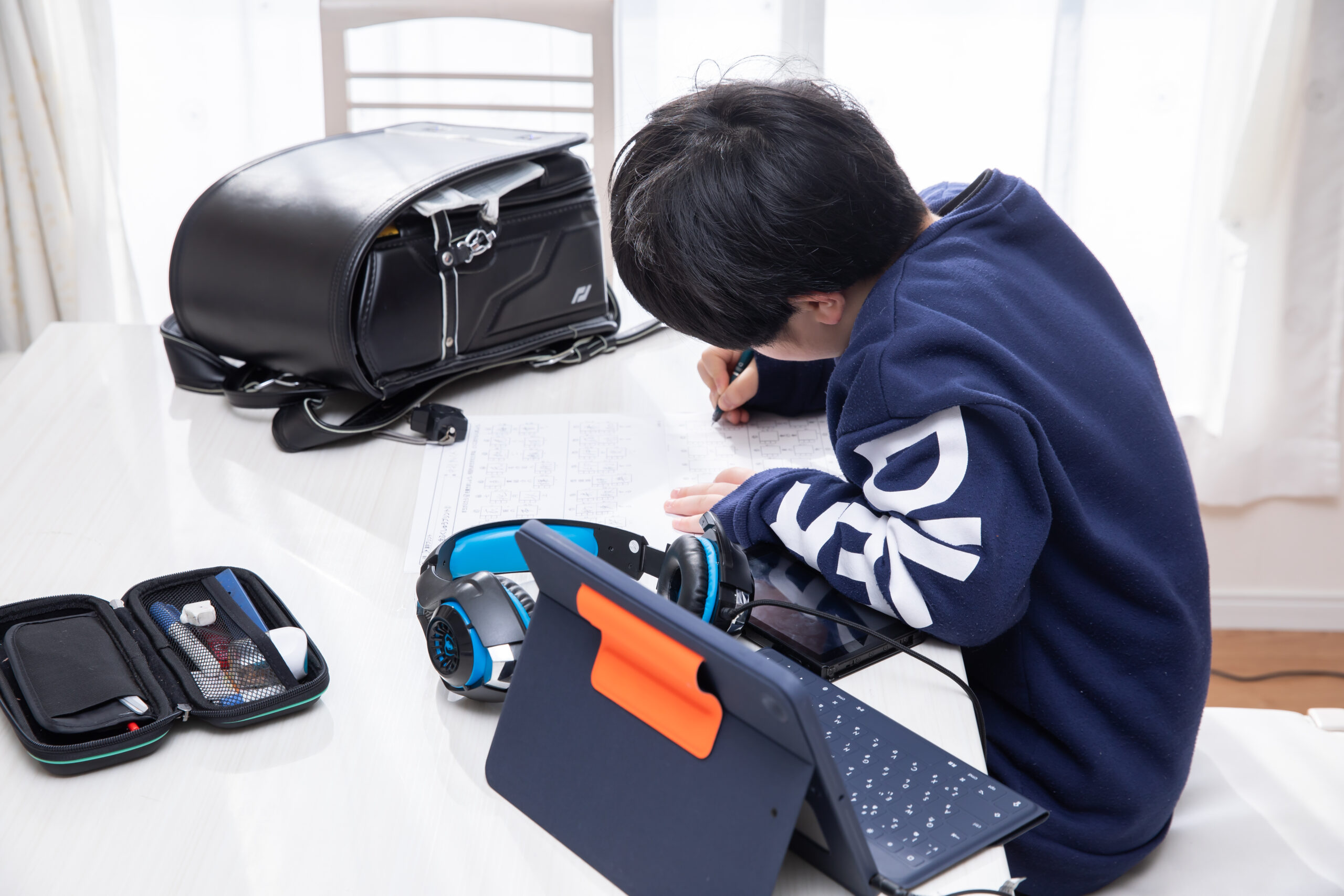
Japanese school stationery is practical, compact and often surprisingly well designed.
This is the category where I would happily let a school-age child browse for a while. Most purchases cost very little, and they keep being used long after the trip.
Fuji eraser: one of the best small gifts in Japan
AIR-IN Fuji Eraser by PLUS
At first it looks like a normal blue-and-white eraser. But if you use it evenly from different sides, the white centre gradually becomes the snowy peak of Mount Fuji. The child effectively creates the mountain by using it.
Unlike a pencil with “TOKYO” printed on it, the Japanese element is built into the design itself. It is also a good gift for classmates: tiny, useful, and a handy alternative to food gifts when you do not know classmates’ dietary restrictions. Limited-edition designs, often sold as boxed two-packs, appear regularly and make nicer gifts. See the maker’s Fuji eraser page (Japanese) for current designs.
Skip it if: Your child is not interested in stationery at all.
Where to buy in Japan: Loft, Hands, stationery shops
Buy online in Japan
AIR-IN Fuji eraser by PLUS
Sold out in the shop? Rakuten Ichiba is in Japanese and delivers within Japan, so order early in your trip and check the listing and delivery options first.
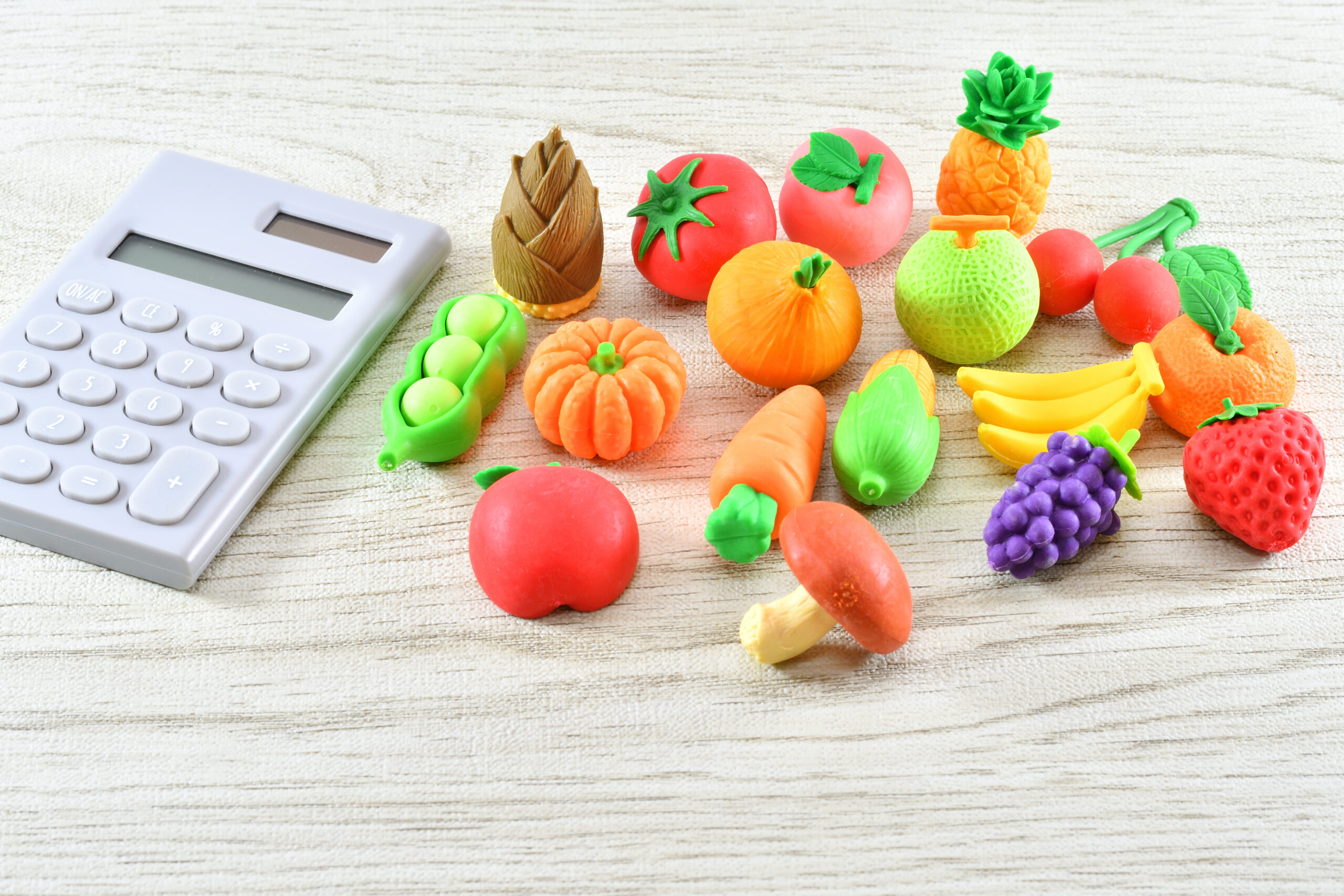
Food- and fruit-shaped erasers are easy to find in Japanese stationery and variety shops.
Japan has somehow turned the humble eraser into an entire shopping category. Some can be taken apart and put back together, so they work as tiny toys as well as stationery.
For class gifts, they are a handy alternative to candy: they do not melt, they do not expire, you do not need to know classmates’ dietary restrictions, and you can fit 20 of them in a small corner of your suitcase.
Age: 6–10Pack size: TinyBudget: Usually a few hundred yen
Where to buy in Japan: Stationery shops, 100-yen shops
Japanese stickers, especially the ones local kids are buying
Skip the souvenir rack and go to the regular kids’ section
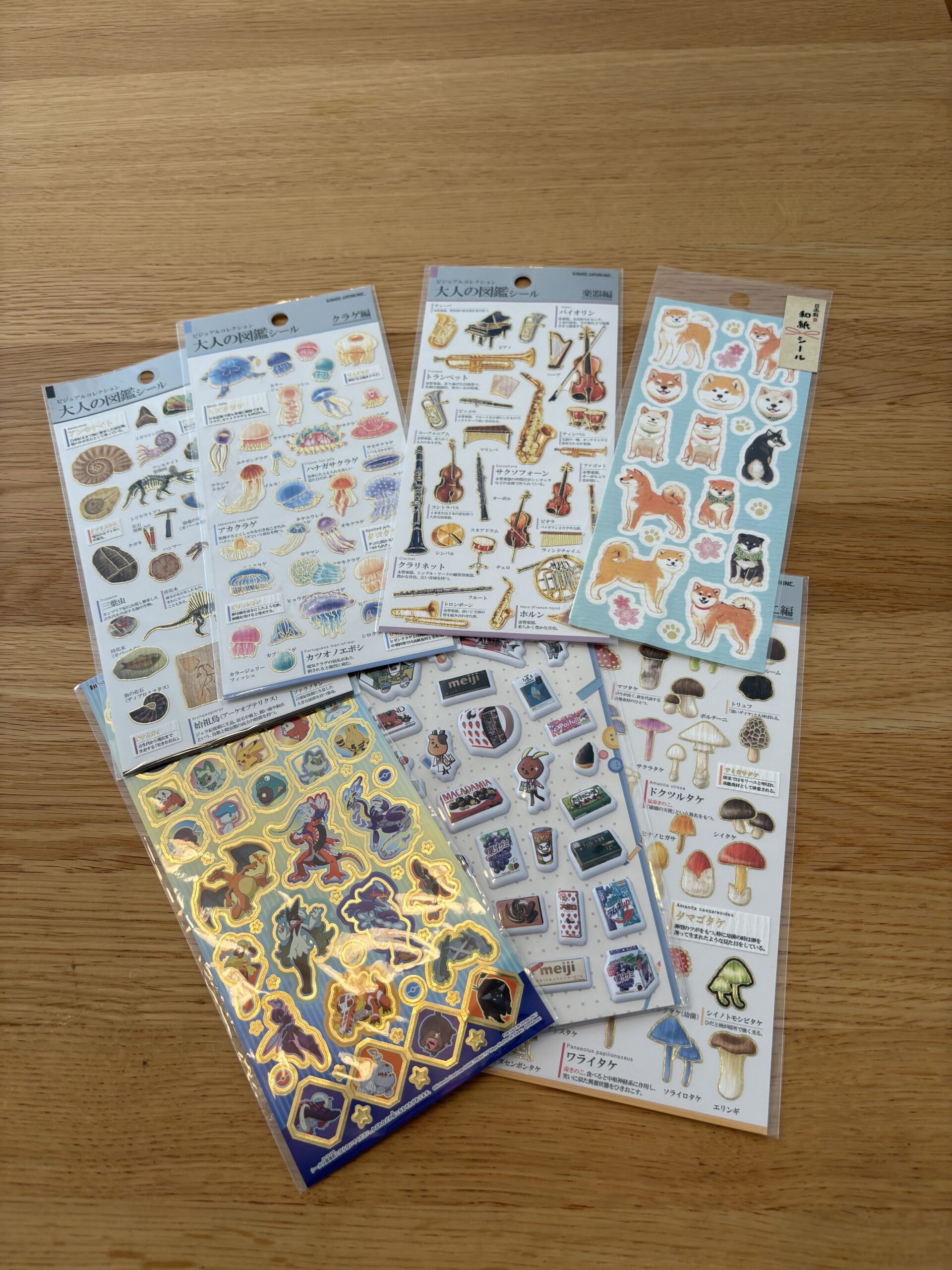
Sticker books like these cost ¥110 at 100-yen shops and pack completely flat.
Walk into a Japanese stationery shop and you will find dimensional stickers, puffy stickers, sparkly stickers, tiny food designs, animals, characters and increasingly elaborate sticker books. Collecting them and decorating pencil cases and notebooks is half the fun.
They are close to perfect travel purchases: inexpensive, completely flat and easy for children to choose themselves. Give your child a small budget, perhaps ¥1,000, and let them browse. Choosing their own strange little treasure is often more memorable than being handed an expensive souvenir chosen by an adult.
Age: 6–12Pack size: FlatBudget: From ¥110
Where to buy in Japan: Loft, Hands, 100-yen shops
Kuru Toga: a pencil with an actual reason to buy it
Mechanical pencil by Mitsubishi Pencil (uni)
Not every Japanese pen needs to come home with you, but Kuru Toga is one of the exceptions. With a normal mechanical pencil, one side of the lead wears down as you write. Kuru Toga rotates the lead little by little so it wears evenly and stays sharp. To a stationery-loving 10-year-old, this is surprisingly satisfying.
Japanese shops also tend to carry more models and colours than you will find overseas. It suits an older child who already writes a lot far better than a six-year-old still using thick pencils.
Age: About 9–12Pack size: TinyBudget: From ¥495 (newer models ¥605+)
Skip it if: Your child’s school does not allow mechanical pencils, or they simply do not care about stationery. Do not buy a famous Japanese pen for a child who hates writing.
Where to buy in Japan: Loft, Hands, Itoya
Buy online in Japan
Kuru Toga mechanical pencil by uni
Sold out in the shop? Rakuten Ichiba is in Japanese and delivers within Japan, so order early in your trip and check the listing and delivery options first.
A Japanese pencil case they will actually take to school
Stand-up, mesh, silicone and organiser-style cases
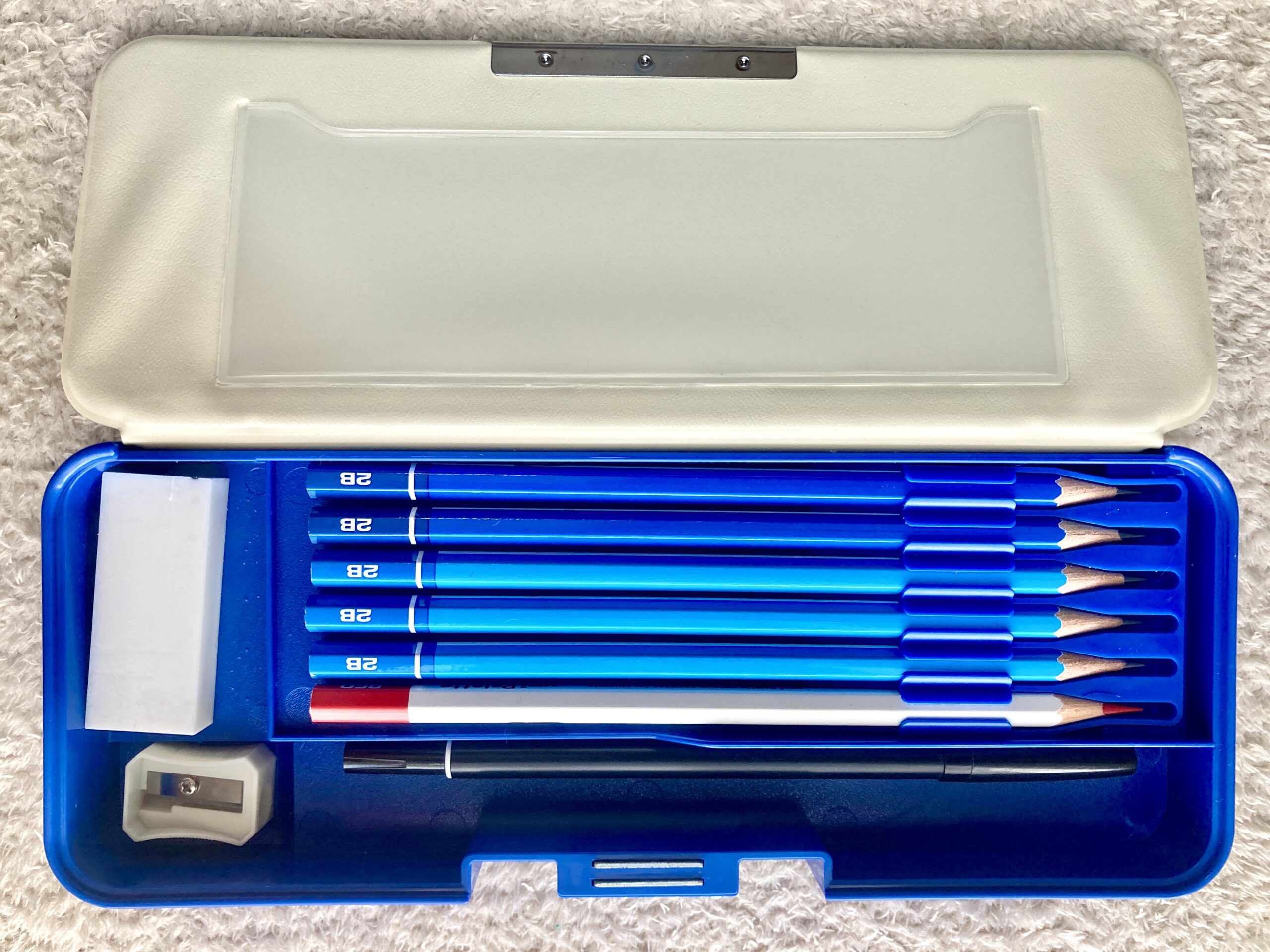
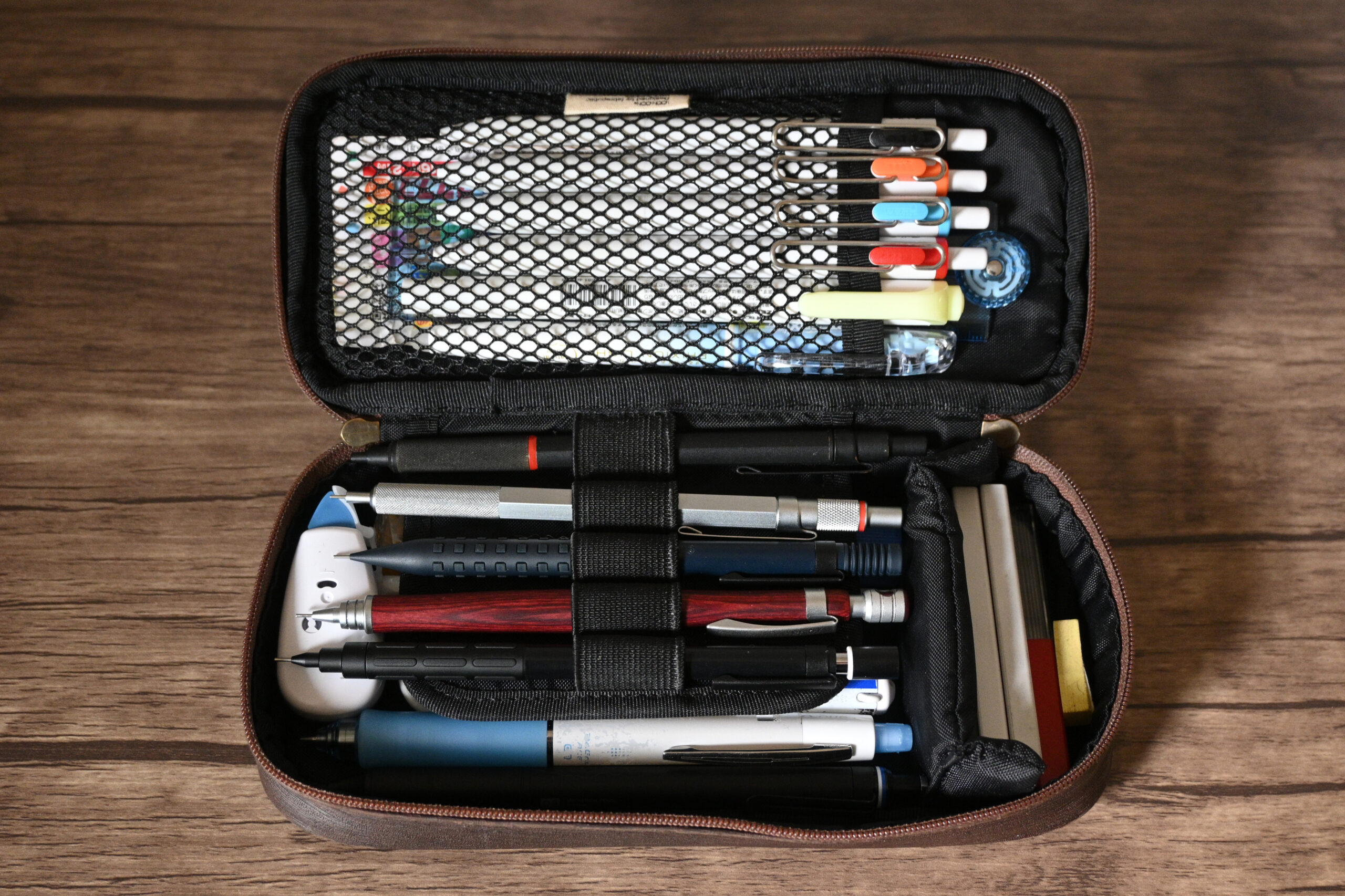
Organiser-style pencil cases are one of the practical stationery categories worth browsing in Japan.
Japanese pencil cases are far more interesting than the rectangular zip pouch many adults remember. Some stand upright on a desk, some have separate pockets for favourite pens, others are designed like tiny organisers.
One example is PuniLabo by LIHIT LAB, a range of soft, animal-shaped silicone stationery. Its stand-up pencil case turns into a desk pen holder when you push it down, and holds about 15 pens. Cute, yes, but also useful, and it becomes something your child sees every day after returning home.
Age: 8–12Pack size: SmallBudget: About ¥1,000–¥2,000 (PuniLabo ¥1,870)
Skip it if: Your child’s school has strict rules about pencil cases.
Where to buy in Japan: Loft, Hands, stationery shops
Buy online in Japan
A Japanese school pencil case
Sold out in the shop? Rakuten Ichiba is in Japanese and delivers within Japan, so order early in your trip and check the listing and delivery options first.
Magic textured writing mat (Mahou no Zarazara Shitajiki)
The kind of thing you only find with a child in a Japanese school
This is the kind of thing you would probably never think to look for unless you had a child in a Japanese elementary school. Japanese children write on a shitajiki, a thin board slipped under the page. This one has a surface covered in tiny raised dots, so the pencil feels slightly rough as it moves. That extra feedback helps children control their strokes and write neater letters.
The other side is smooth, for fast work like maths. There is a coarser 0.6mm dot version for younger children who are just learning to write, and a finer 0.3mm version for older ones, in B5 notebook size or A4 worksheet size. It is flat, inexpensive and genuinely useful for homework back home.
Age: About 5–10Pack size: FlatBudget: About ¥700–¥850
Skip it if: Your child’s handwriting practice is mostly on a tablet.
Where to buy in Japan: Stationery shops, Loft, Hands (ask for 魔法のザラザラ下じき)
Buy online in Japan
Magic textured writing mat
Sold out in the shop? Rakuten Ichiba is in Japanese and delivers within Japan, so order early in your trip and check the listing and delivery options first.
If your child likes LEGO, engineering or making things without instructions, look at LaQ. Small flat pieces and connectors snap together into 2D and 3D models: animals, dinosaurs, vehicles, robots and buildings. The satisfying click when pieces connect is part of the appeal.
Unlike many Japanese toy brands, LaQ itself is manufactured in Japan. If you specifically want something made in Japan, this is one of the easiest toys to choose.
Sets range from tiny parts packs to enormous boxes, so you do not need to give it half your suitcase. Instead of the biggest generic box, look for a smaller train, vehicle or themed set that connects to your trip. Note that the cheapest Free Style packs are loose parts with no build guide, so pick a set with instructions if your child wants something to follow. The official LaQ site shows the current range.
Age: 6–12, especially buildersPack size: Tiny to largeBudget: Parts packs ¥836; Basic 511 box ¥6,600
Skip it if: Your child already has a construction toy they rarely touch.
Where to buy in Japan: Toy shops, department stores
Buy online in Japan
LaQ building set, made in Japan
Sold out in the shop? Rakuten Ichiba is in Japanese and delivers within Japan, so order early in your trip and check the listing and delivery options first.
Tomica: great, but only for kids who actually like vehicles
Die-cast mini cars by Takara Tomy
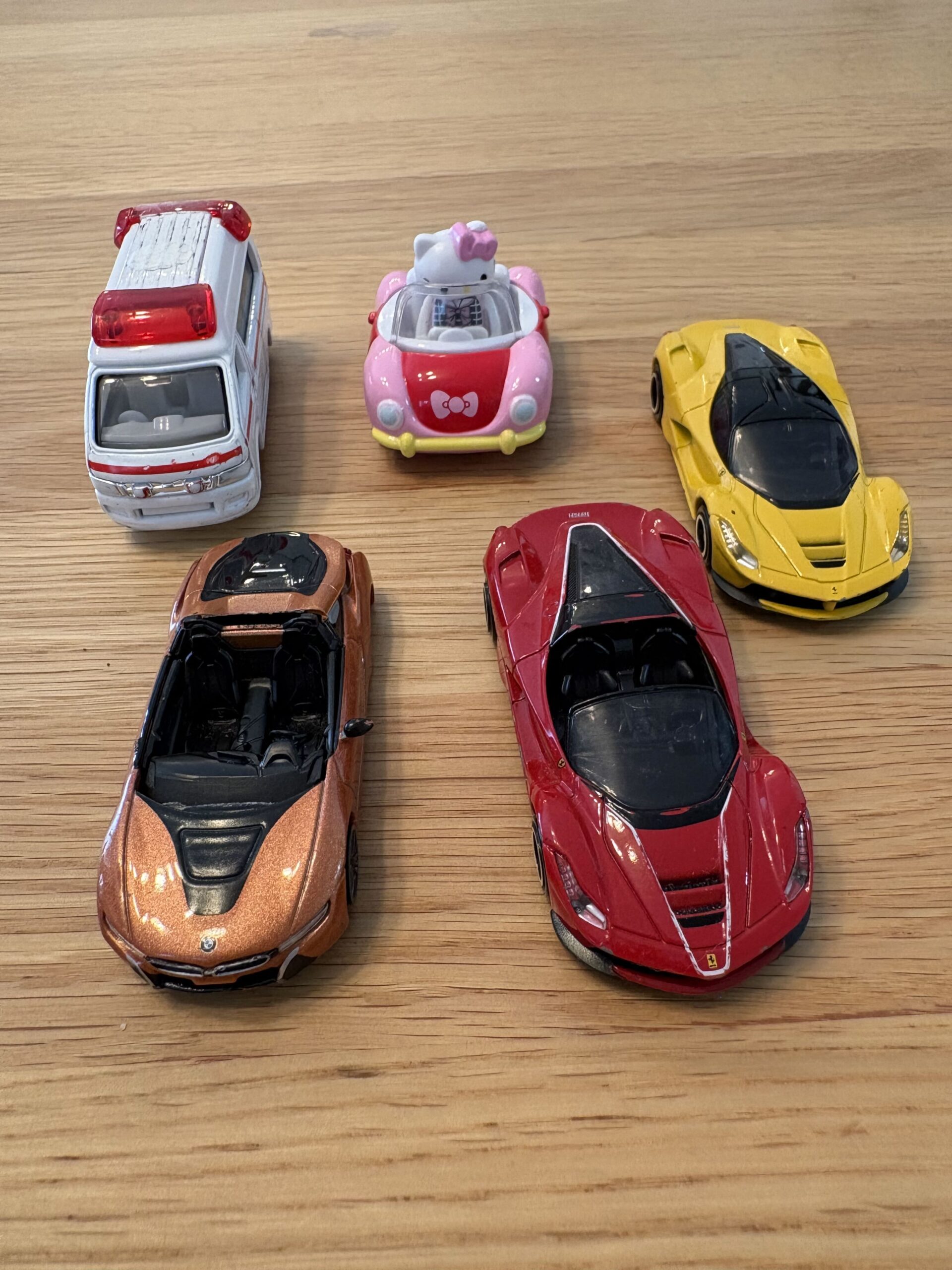
Tomica cars are small enough to play with during the trip as well as after you get home.
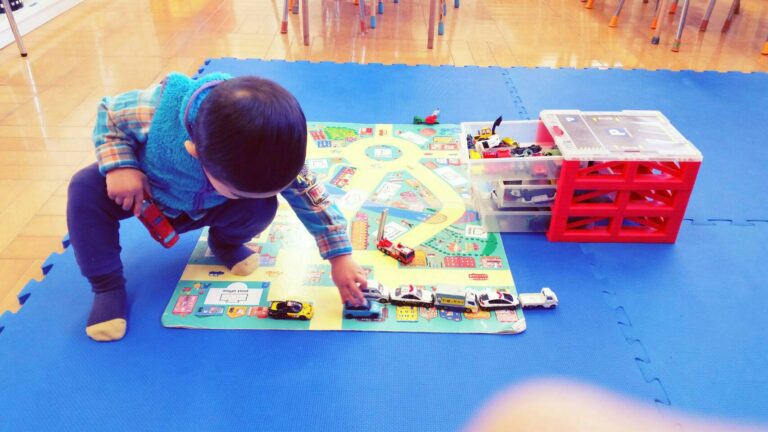
Being Japanese does not make every Tomica a great souvenir. What makes them good is that they are small, durable, battery-free and easy to use in imaginative play: roads built from blocks, parking garages, scenes recreated from the trip.
The most interesting models to buy in Japan are the Japanese ones: taxis, buses, police cars, fire engines, construction vehicles and anything your child noticed while travelling. A child who spent the holiday obsessing over Tokyo taxis may genuinely treasure a miniature one. The Tomica & Plarail Shop at Tokyo Station has a huge wall display of around 700 Tomica cars, plus a large Plarail diorama.
Age: Vehicle lovers, especially 6–8Pack size: TinyBudget: ¥594 standard; special editions about ¥900–¥1,100
Skip it if: Cars are not already one of your child’s interests.
Where to buy in Japan: Toy shops, Tokyo Station
Sold out in the shop? Compare Tomica models on Rakuten Ichiba (Japanese site).
Beyblade X: a good buy for competitive kids, with one warning
Battling tops by Takara Tomy
Beyblade is not just a collectible. Children launch spinning tops into an arena and battle them, experimenting with part combinations and strategies. For kids who enjoy competition and tinkering, it has far more replay value than a figure on a shelf, and it is still very active in Japan with new releases, events and tournaments.
The warning is the suitcase. Tops and launchers are compact; the stadium is not. If your child already plays at home, a Japanese starter or an interesting part makes sense. If you would need to buy the whole bulky setup to make the souvenir usable, think twice. Popular new releases can also sell out quickly, and some are sold by lottery on the official store.
Age: About 7–12Pack size: Small (stadium: bulky)Budget: Starters about ¥2,000–¥2,700
Skip it if: Your child has nobody to battle at home, or you would need to carry a stadium home.
Where to buy in Japan: Toy shops, electronics stores
Buy online in Japan
Beyblade X by Takara Tomy
Sold out in the shop? Rakuten Ichiba is in Japanese and delivers within Japan, so order early in your trip and check the listing and delivery options first.
Capsule-toy machines are hard for children to ignore, and that is not necessarily bad. For school-age kids, gashapon can be a nice exercise in decision-making: give them a fixed budget and let them decide which machines are worth it. The searching, choosing and turning are as much fun as what comes out.
My rule: set the budget before you walk into a big gashapon store. ¥1,000 gives a child enough decisions without the afternoon turning into an endless stream of ¥500 capsules. The Gashapon Department Store in Ikebukuro has thousands of machines in Sunshine City, which is both the appeal and the danger.
Age: 6–12Pack size: TinyBudget: ¥300–¥500 a turn
Skip it if: Your child loves the surprise but loses interest in the object straight away. That is how you come home with a suitcase full of tiny plastic clutter.
Where to buy in Japan: Stations, malls, dedicated stores
Origami and Japanese craft supplies
Obvious for a reason
A pack of origami paper is inexpensive, weighs almost nothing and earns its place during the trip itself. Keep it in your day bag for Shinkansen journeys, rainy afternoons, restaurant waits, hotel downtime and the flight home.
Craft shops and 100-yen shops also carry stickers, decorative tape, paper, beads and small DIY supplies that are often more interesting than dedicated “souvenir craft sets.”
If your child enjoys making things, they can also try the real Japanese crafts behind these supplies in Tokyo: making washi paper, dyeing an indigo handkerchief or watching paper being hand-dyed at Origami Kaikan. See our guide to unique Japanese experiences in Tokyo with kids — most of the finished pieces go home the same day.
Age: 6–12Pack size: FlatBudget: From ¥110
Skip it if: Your child never chooses drawing or making activities at home.
Where to buy in Japan: 100-yen shops, Loft, Itoya
Character goods, but buy something useful
Pokémon, Kirby, Sanrio, Chiikawa, Sumikko Gurashi and more
Characters can consume an alarming share of a family shopping budget. The answer is not to avoid them, but to buy smarter: pencil cases, socks, hand towels, small pouches, notebooks, chopsticks, lunch accessories, keychains or reusable bags. Kids still get the thrill of choosing a favourite character, and the item takes less space and gets used after the holiday.
If your child falls completely in love with one particular character during the trip, buy the plush. Childhood does not need to be optimised entirely for suitcase efficiency. Just perhaps not six of them.
Age: 6–12Pack size: Tiny to smallBudget: About ¥500+
Where to buy in Japan: Tokyo Station Character Street, Loft, character shops
Japanese snacks kids in Japan actually eat
Japan has plenty of sweets designed to look like souvenirs, but some of the most interesting snacks to try are simply the ones Japanese school kids choose for themselves. They may not have Mount Fuji on the package, but that is exactly the point.
A 2025 reader survey by Japanese elementary-school fashion magazine Nico☆Petit (Japanese) gives a useful snapshot of what is popular with its young readers. Gummies made the top five of their favourite foods overall, while everyday snacks such as Jagarico and Umaibo and classic Japanese candies also ranked highly.
Japanese gummies: a much bigger deal than you might expect
Pure Gummy, Ninja Meshi, Kajyu Gummy, Kororo and more
Gummies are surprisingly serious business in Japan. Convenience stores, supermarkets and drugstores often have entire sections devoted to them, with different levels of sourness, chewiness and fruit flavour.
In the 2025 Nico☆Petit reader survey, Pure Gummy ranked first among gummies, followed by Ninja Meshi and Kajyu Gummy, with Kororo also in the top five. Rather than buying one big souvenir pack, let kids choose two or three varieties with textures or flavours they have never tried before.
Age: 6–12Pack size: TinyBudget: A few hundred yen a pack
Where to buy in Japan: Convenience stores, supermarkets, drugstores
Jagarico: the everyday snack Japanese kids actually choose
Crunchy potato sticks by Calbee
Jagarico does not look particularly exotic, which is partly why we like it. It is the kind of snack children in Japan actually take on outings, buy after school or bring to sleepovers.
It ranked first in the snack category in the same 2025 Nico☆Petit reader survey. If your child wants to try something that feels less like a tourist souvenir and more like an ordinary Japanese kid snack, this is an easy place to start.
Age: 6–12Pack size: SmallBudget: A few hundred yen
Where to buy in Japan: Convenience stores, supermarkets
Dagashi: give them ¥500 and let them choose
Cheap Japanese sweets and snacks
For us, the fun of dagashi is not buying a pre-packed “Japanese candy box.” It is giving children a small budget and letting them stand in front of a wall of tiny sweets deciding what looks interesting.
Umaibo is a classic choice, and old-school bubble gums such as Marukawa are still extremely cheap. You will also find fizzy candy, tiny chocolate packs, sour sweets and things that are difficult to identify without trying them.
A ¥500 budget is enough to make this feel like a proper shopping mission without producing an entire suitcase of candy.
Age: 6–12Pack size: TinyBudget: About ¥500 in total
Where to buy in Japan: Dagashi shops, supermarkets, some 100-yen shops
DIY candy kits: part snack, part activity
Especially fun for younger school-age kids
DIY candy kits earn their suitcase space because eating is only half the point. Children mix, shape or decorate tiny sweets before they get to eat them, turning a snack into an activity.
They are also useful on a quiet hotel afternoon or as a small gift for cousins and friends back home.
Age: 6–10Pack size: SmallBudget: Inexpensive
Want the full-size version? If the kits are a hit, try a hands-on class in Tokyo: kids can sculpt a candy rabbit, make mochi and nerikiri, or bake their own taiyaki. Our guide to Japanese experiences for kids in Tokyo compares ages and prices, or you can browse food classes on byFood.
Where to buy in Japan: Supermarkets, drugstores, Don Quijote
Classic Japanese candy: Milky, Pine Ame and other old favourites
Not everything needs to be new or limited edition. Fujiya Milky and Pine Ame are examples of sweets that generations of children in Japan have grown up with, and their packaging still feels distinctly Japanese.
They also make easy small gifts because they are inexpensive, individually wrapped in many packs and easy to find in ordinary supermarkets rather than souvenir shops.
Age: 6–12Pack size: SmallBudget: Inexpensive
Where to buy in Japan: Supermarkets, convenience stores
Regional and Japan-only flavours are more interesting than the standard version
Hi-Chew, KitKat and other familiar brands are now sold widely overseas, so we would not automatically buy the standard versions in Japan.
Instead, look for seasonal flavours or products connected to a place you actually visited: local fruit, regional ingredients or limited-edition packaging. “This is what we bought in Hokkaido” is a better souvenir story than simply bringing home a flavour available at your local supermarket.
Age: 6–12Pack size: SmallBudget: Varies
Before packing food: Check ingredient labels if allergies are an issue, and check the food-import rules for your destination country.
Where to buy in Japan: Station shops, airport shops, regional souvenir stores
Stationery trends you’ll see among Japanese school kids
One mistake visitors make is looking only for products that look Japanese. To see what Japanese children themselves might choose, skip the souvenir section. Browse the kids’ sections of Japanese stationery and variety stores and you’ll currently see plenty of:
Puffy and dimensional stickers
Transparent or mesh pencil cases
Soft pastel colours
Charms attached to pencils and bags
Unusual pencil caps and novelty erasers
Stand-up pencil cases
Customised or initial stationery
None of these needs a picture of sushi or Mount Fuji to be an interesting Japanese purchase. Sometimes the most authentic souvenir is simply the thing a child living in Japan currently thinks is cool.
Best things to buy by age
Ages 6–8
Play and creativity first
Fuji eraser and funny erasers
Tomica of a vehicle they saw in Japan
A LaQ set with a build guide
Stickers they choose themselves
Gashapon with a pre-agreed budget
Origami and small craft supplies
Character stationery instead of plushies
A textured writing mat for handwriting practice
Ages 9–12
Follow their real interests
Kuru Toga and other clever writing tools
A good Japanese pencil case
Bigger LaQ or nanoblock builds
Beyblade X, if they already battle
Sticker books and decorative stationery
Manga or character goods tied to a real interest
Small pouches, socks and everyday accessories
By the later elementary years, letting them explore a shop with a fixed budget can be part of the Japan experience itself. Decide based on the child you have, not on the idea that every 11-year-old needs Pokémon. For planning the rest of the trip at this age, see our guide to Japan with school-age kids.
Japanese brand does not mean made in Japan
A product can be a Japanese brand, physically made in Japan, a Japan-exclusive design, or simply popular with Japanese kids. These are not the same thing. Tomica and Beyblade are Japanese brands, but that tells you nothing about where a particular item was manufactured. LaQ, on the other hand, is made in Japan. If it matters to you, look for “Made in Japan” or 日本製 on the packaging.
For me, a souvenir does not need to be made in Japan to be a good one. A miniature of the exact Tokyo bus your child rode may mean more than a technically Japan-made object they never use. If manufacturing origin is important to you, our guide to what to buy in Japan for kids of every age explains how to check labels.
What I would not buy
Japan has an extraordinary ability to make parents buy things they never intended to own. These are the categories I would think twice about.
Giant plushies. Wonderful until you have to fly home with them. Buy one if it truly matters, then stop.
Huge toy sets. If the best part of a toy needs a large stadium, track or base to work, you are buying luggage as much as a souvenir. Buy the small piece that connects to what your child already owns at home.
Capsule toys in bulk. Ten turns of a machine for the one figure they want usually means nine things nobody wanted.
Generic “Japan” souvenirs. Key rings and pencils with TOKYO printed on them are rarely used. A Fuji eraser or a Japanese taxi says Japan far better.
Souvenir swords and toy weapons. Wooden swords and realistic toy weapons can cause trouble in carry-on bags. Check your airline before buying, or skip them.
Something only because it is “famous in Japan.” The best souvenir for your child is the one connected to what they actually loved on this trip.
Beyond shopping: make a souvenir together
Love Japanese souvenirs? Why not make one yourself? From fake food and indigo dyeing to sushi rolling and ninja training, these hands-on Japanese experiences in Tokyo work well for kids aged 6–12 — and many send them home with something they made.
Pokémon, Chiikawa, LEGO and the Tomica and Plarail shop in one underground street. Convenient but busy, so do not leave it to the last hour before a train.
Origami, stickers, craft supplies and class-gift erasers at ¥110 each. Good for kids spending their own budget.
Ordinary toy shops and electronics stores
Often the best place for Tomica, LaQ and Beyblade, with a wide range and without tourist-shop crowds.
Tokyo Station Character Street
Underground on the Yaesu side of Tokyo Station. Easy to combine with a Shinkansen day.
Gashapon Department Store, Ikebukuro
Inside Sunshine City. Set the budget before you go in.
Free store coupons for visitors
Buying LaQ, Beyblade or a few Tomica in one go? Big chains give visitors an extra discount on top of the tax refund. Open the coupon on your phone and show it before you pay; it cannot be added after payment.
Bic Camera
7% off toys and electronics, 5% off daily goods. Also valid at Kojima and the airport stores. Some brands, including game consoles, are excluded.
Give each child a fixed budget. Choosing within it is half the experience.
Buy travel activities early. Stickers, origami and notebooks earn their suitcase space before you leave Japan.
Buy for the child you have. Follow existing interests rather than what is “famous.”
Think about luggage before buying big boxes. Small sets and single pieces travel much better.
Keep small parts away from younger siblings. Capsule toys, erasers and building pieces are choking hazards for under-3s.
Check school rules before buying mechanical pencils or elaborate pencil cases.
Tax-free shopping changed on 1 November 2026. Bring your passport, spend at least ¥5,000 (before tax) in one shop on one day, and you pay the full price including tax. The tax is refunded after customs checks your purchases at the airport, within 90 days of buying. Do this before checking in your bags, keep every item on that receipt with you, and do not open snacks you want refunded. See the Japan Tourism Agency guide.
Ordering online during your stay? Rakuten Ichiba is in Japanese and delivers within Japan. Ask your hotel before sending a parcel there, and make sure it arrives before you check out.
FAQ: what to buy in Japan for kids
What is the best cheap souvenir from Japan for kids?
A Fuji eraser is hard to beat: about ¥250, tiny, useful and clearly Japanese. Stickers and origami from 100-yen shops are even cheaper.
What are good class gifts to bring back from Japan?
Novelty erasers and Fuji erasers are a handy alternative to food gifts when you do not know classmates’ dietary restrictions. They do not expire, and 20 of them fit in a small corner of a suitcase.
Are Japanese toys cheaper in Japan?
Sometimes. The bigger advantage is usually selection: Japanese toy shops often carry a wider range of Tomica, LaQ, Beyblade and Japan-specific models than you may find overseas. Compare prices before buying expensive sets.
What school supplies do Japanese elementary students use?
Pencils, erasers and a pencil case, plus a shitajiki (a thin board slipped under the page). The textured “magic” shitajiki helps younger children write neater letters, and older children often move on to mechanical pencils such as Kuru Toga. All are light, cheap and easy to find at Loft, Hands and stationery shops.
Where do Japanese kids buy stationery?
Stationery shops, Loft, Hands, supermarkets and 100-yen shops. Browsing the regular kids’ section shows you what local children actually use.
Looking for the best Japanese hand cream while visiting Japan with kids? Start with an everyday drugstore cream, then explore compact lip balms and winter moisturizers for babies, children and parents — all with practical places to shop in person. Reviewed: November 20, 2026. Prices are reference prices recorded in October 2026; confirm current shelf…
This article contains affiliate links to Rakuten. If you buy through them, Japan Kids Travel may earn a small commission at no extra cost to you. Quick info Best for: Babies, toddlers, school-age kids and teens (separate guides for each age below) Budget: About ¥300–¥10,000+ Easy to pack: Most picks are small enough for a…
What to buy in Japan for toddlers and preschoolers ages 2–5: toys, books, travel activities and everyday Japanese kids’ goods that are actually worth bringing home. Last checked: November 2026 This article contains affiliate links. If you buy through them, I may earn a small commission at no extra cost to you. Quick info Best…
Trending Japanese beauty, character goods, stickers, sweets and shopping spots. Last checked: November 2026 This article contains affiliate links. If you buy through them, Japan Kids Travel may earn a small commission at no extra cost to you. Wondering what to buy in Japan for teenage girls? Skip the generic souvenir shelf. This guide lists…
Last checked: November 2026 This article contains affiliate links. If you buy through them, Japan Kids Travel may earn a small commission at no extra cost to you. Looking for Japanese gifts for teenage boys? This guide focuses on what Japanese teen boys are actually into in 2026, from Pokémon cards and Jujutsu Kaisen goods…
Last checked: November 2026 This article contains affiliate links. If you buy through them, Japan Kids Travel may earn a small commission at no extra cost to you. What should you buy in Japan for teenagers? The easiest answer is to look at what Japanese teens themselves are buying right now. In 2026 that means…