Japan Train Fares for Kids: Who Rides Free, Who Pays Half and Which IC Card to Buy
This article contains affiliate links. If you book through them, I may earn a small commission at no extra cost to you. Official ticket and IC card information links go straight to the rail companies, with no affiliate links.
A plain-English guide for parents: which kids ride free, which kids pay half, and which IC card each person in your family actually needs.
- Free: Babies under 1, and up to two kids aged 1–5 per paying passenger
- Half price: Kids aged 6–11 (child fare)
- Adult fare: Age 12 and up
- Best card for kids 6–11: Welcome Suica (Child) in Tokyo, or child HAYAKAKEN in Fukuoka. Both are bought with your child’s passport.
- Best card for adults: Welcome Suica Mobile on iPhone, or a Welcome Suica or TOURIST PASMO card at the airport
- Where to buy it: Narita Airport, Haneda Airport Terminal 3, and JR East Travel Service Centers in central Tokyo
- Time needed: About 10 minutes at the airport
- Last updated: November 2026
Do kids need a Suica card in Japan? Under-6s don’t; they ride free with you. Kids aged 6–11 should get a child IC card, such as a Welcome Suica (Child), so the gates charge half price automatically.
Japan train fares for kids are simpler than they look. Most families only need to remember three things: under-6s usually ride free, 6–11-year-olds pay half, and a child needs their own child IC card to get that half price automatically. The tricky part is the card. A lot of travel sites still repeat outdated advice, including the claim that there is no child version of the tourist Welcome Suica. There is. This guide walks you through the rules by age, then shows you exactly which card to buy for each person in your family.
Who pays what: fares by age
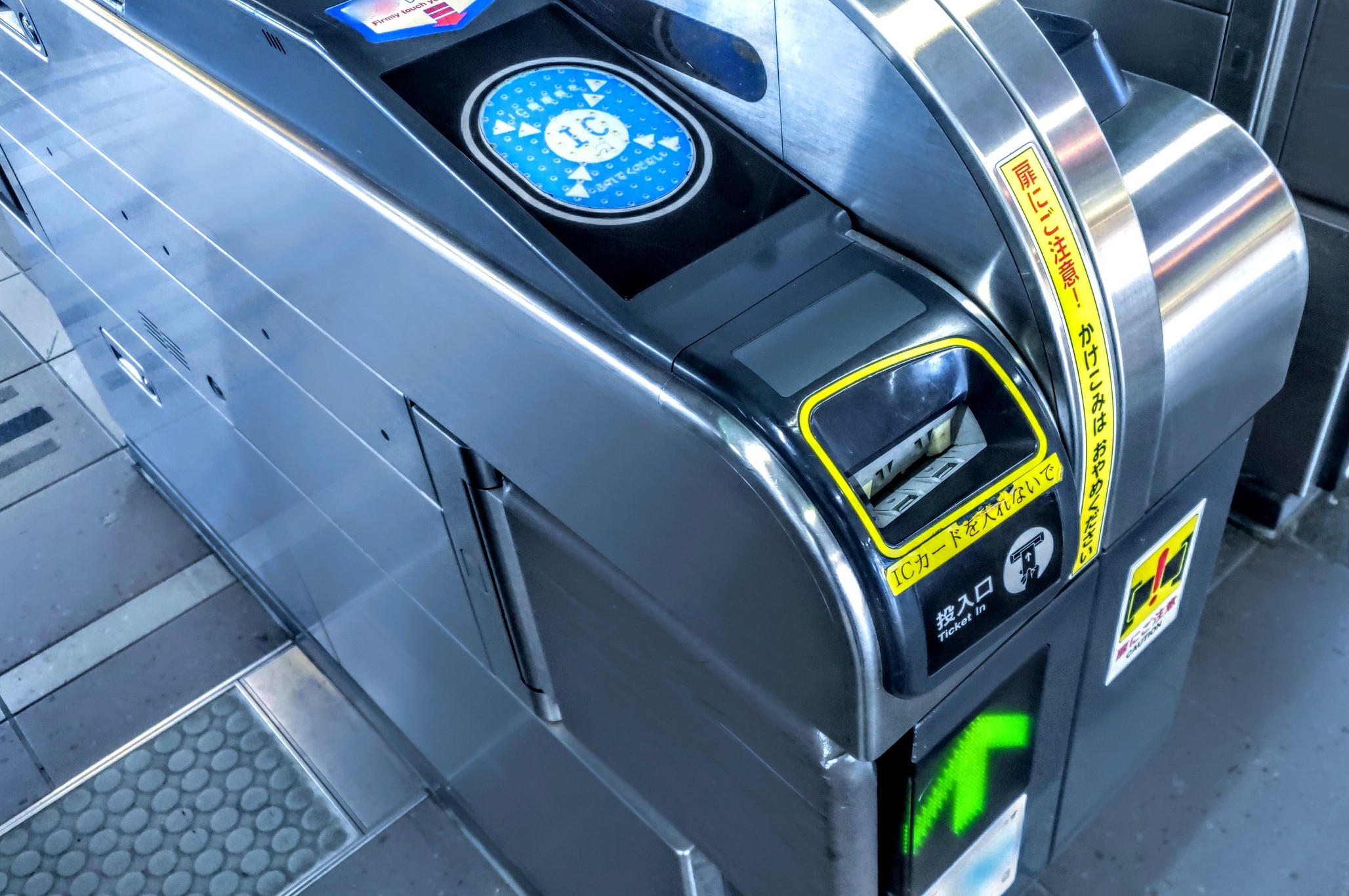
These categories are used by JR and by the subways in Tokyo and Fukuoka, so you can apply the same rules almost everywhere you ride.
| Age | Category | What they pay | Do they need a card? |
|---|---|---|---|
| Under 1 | Baby | Free | No |
| 1–5 | Infant / toddler | Free for up to two per paying adult or child | No (they walk through the gate with you) |
| 6–11 | Child | Half the adult fare | Yes, a child IC card or a child ticket |
| 12 and up | Adult | Full fare | Yes, an adult IC card or ticket |
What about 12-year-olds?
Japan’s school year runs from April to March, and child fares follow it. The basic rule is adult fare from age 12. The exception is a 12-year-old who is still in elementary school: they keep paying the child fare until the end of that school year, on March 31.
That exception is written for Japan’s school system. JR Central states it applies only to elementary schools established under Japanese law, so a visiting child who goes to school overseas doesn’t automatically qualify.
Child IC cards use the same school-year cutoff. A child Welcome Suica, TOURIST PASMO or HAYAKAKEN stops working on the March 31 after the child turns 12. The card working doesn’t change the fare rule, though. If your child is already 12, plan on adult fare, and ask the staff when you buy if you’re unsure.
When “free” stops being free
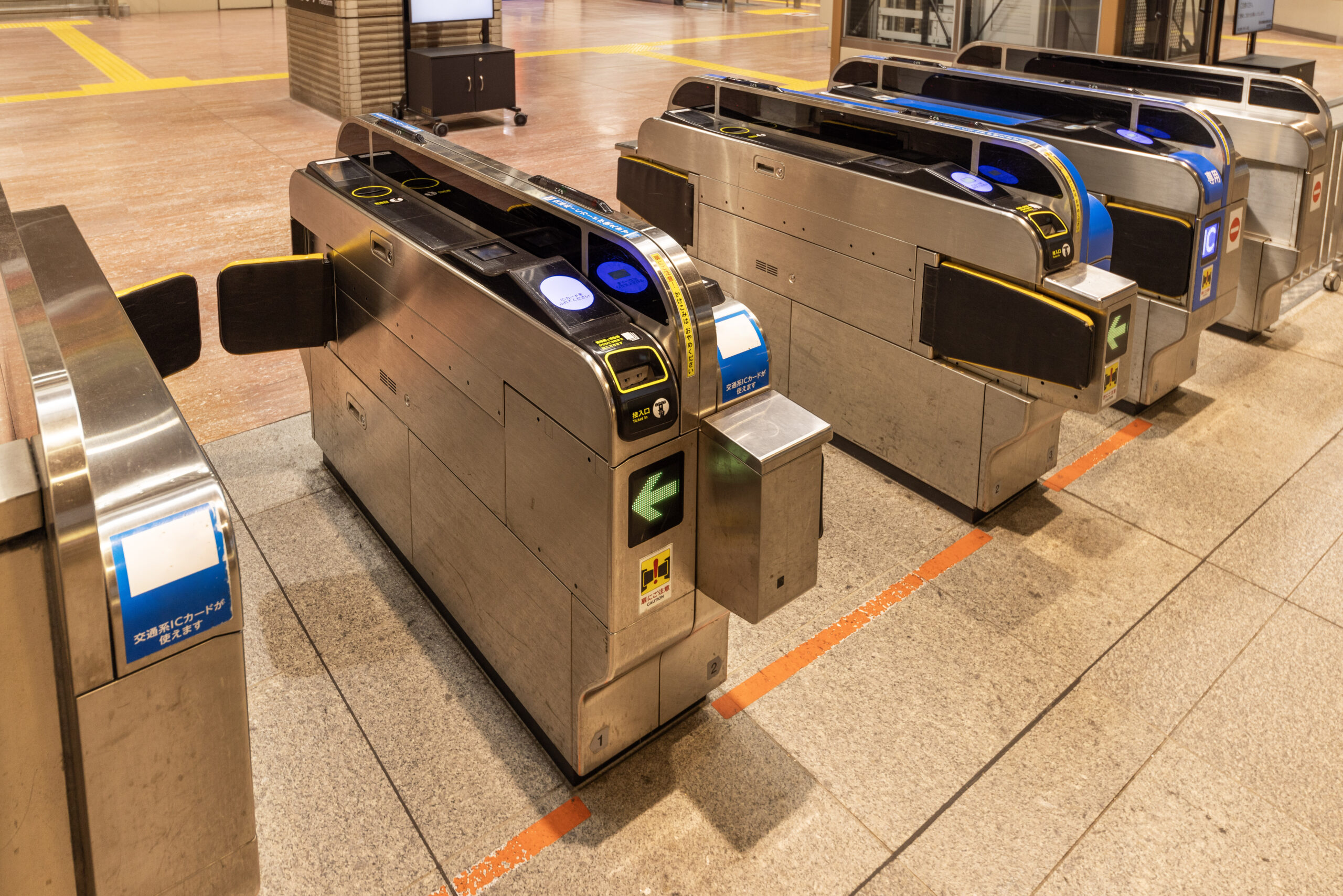
Kids aged 1–5 ride free in most situations, but there are three exceptions worth knowing before you travel:
- The third little one pays. Each paying adult or child can bring up to two kids aged 1–5 for free. A third preschooler with the same person pays the child fare. Two parents can bring up to four under-6s for free.
- A reserved seat costs a child fare. On the Shinkansen and limited express trains, babies and preschoolers ride free on your lap. If you want them to have their own reserved seat, you buy a child ticket for that seat.
- Traveling alone means paying. A preschooler riding without an adult or older child pays the child fare. This rarely matters for visiting families, but it is part of the rule.
The Tokyo Metro uses the same structure. You can check it on the Tokyo Metro fares-by-age page.
Which IC card does each person need?
An IC card is a prepaid tap card for trains, subways and buses. You tap in, tap out, and the gate works out the fare. Suica and PASMO are the Tokyo cards, but they work on trains and buses across most of Japan, including Fukuoka’s subway.
The key rule: an adult card always charges the adult fare. If your 8-year-old taps through on an adult card, you pay double what you should. Use this flow to pick the right card for each person.
Yes, there is a child Welcome Suica
Some popular travel comparison sites say the Welcome Suica has no child fare option. That is not correct. JR East sells a Welcome Suica (Child), and it automatically charges the child fare at the gate. Here is how it works, based on JR East’s official Welcome Suica page:
- Bring your child’s passport. It is needed to verify their age. A parent can buy the card on the child’s behalf, but you still have to show the child’s ID.
- At a vending machine, you enter the child’s date of birth. At a staffed counter, the staff handle this for you.
- It is valid for 28 days, including the day you buy it. The “GOOD THRU” date printed on the back is not the expiry date. Check the reference paper you receive with the card.
- Keep the reference paper. It shows whether the card is adult or child, and staff may ask to see it. If you buy one adult and one child card, it is also the easiest way to tell them apart.
- Top-ups are cash only (yen). You can top up at ticket machines with the Welcome Suica mark or at Seven Bank ATMs inside 7-Eleven stores, up to 20,000 yen.
- There are no refunds. Load small amounts and spend the rest at a convenience store before you fly home.
- Do not use it past the age limit. Using a child card when you are over the age range means paying the adult fare plus a penalty of twice that amount.
Child IC cards compared
The Welcome Suica isn’t the only child card. Here are all four options, and every one of them needs your child’s passport (or other official ID) to buy.
| Card | Where to buy | Deposit | Valid for | Best for |
|---|---|---|---|---|
| Welcome Suica (Child) | Narita, Haneda Terminal 3, JR East Travel Service Centers in central Tokyo | None | 28 days | Most families starting in Tokyo |
| TOURIST PASMO (Child) | Railway stations at Haneda (Terminals 1, 2 and 3) and Narita | None | 28 days | A backup if the Welcome Suica line is long |
| Child HAYAKAKEN | Fukuoka City Subway station ticket machines or Customer Service Center | 500 yen, returned when you hand the card back | Until March 31 of the school year the child turns 12 | Families flying straight into Fukuoka |
| Child Suica / Child PASMO | Staffed station ticket offices | 500 yen | Until the child’s age limit | Families who visit Japan often |
For a child TOURIST PASMO, you’ll need to show your child’s passport (or other official ID) so staff can confirm their age. To buy one, ask at the Keikyu Tourist Information Center (Haneda Terminal 3) or the SKYLINER & KEISEI INFORMATION CENTER (Narita). The official TOURIST PASMO page has the latest sales points.
Where to buy a Welcome Suica (adult or child)
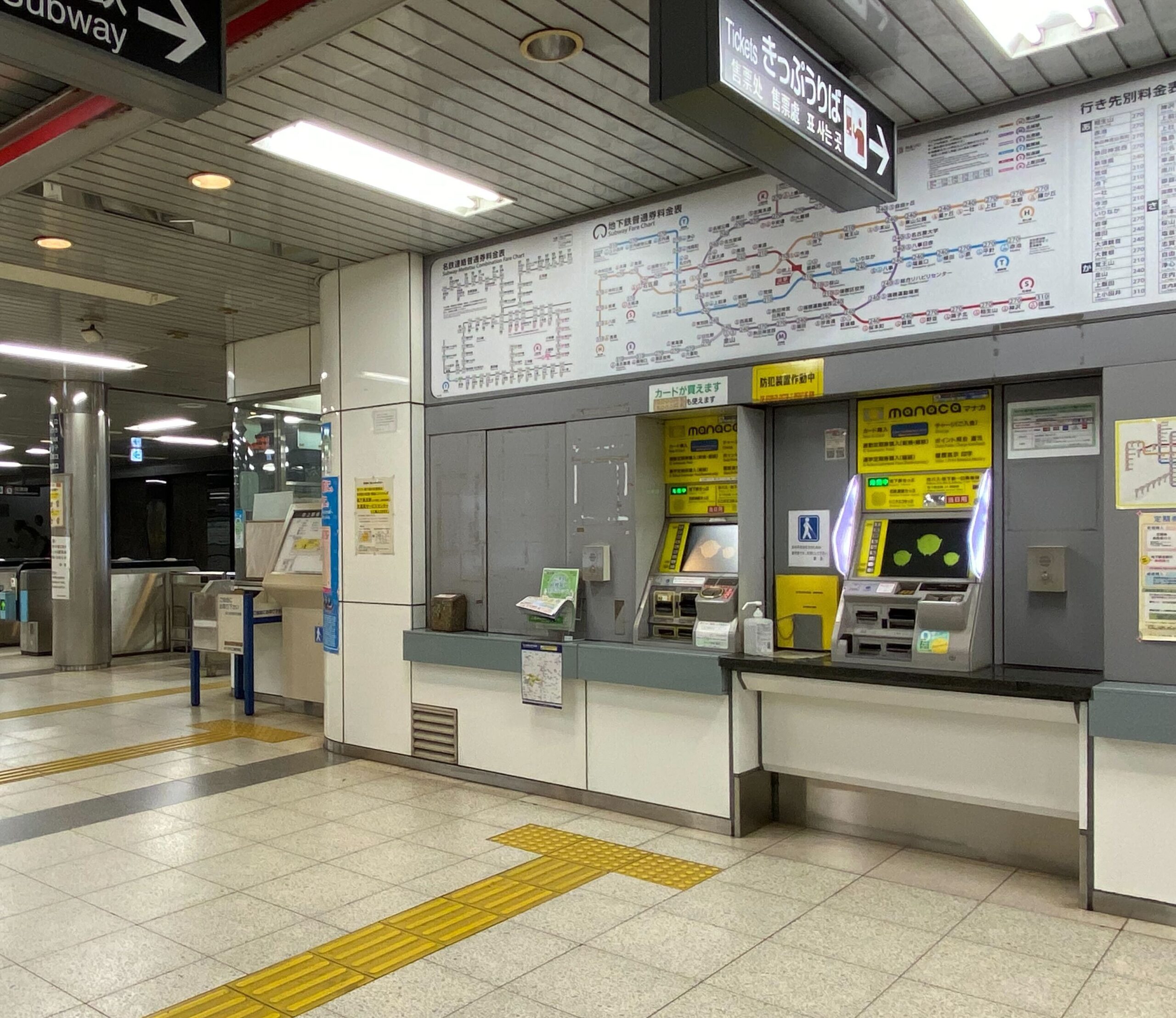
Adult and child Welcome Suica cards are sold at the same places, so the whole family can get their cards in one stop.
| Where | How you buy | Best for |
|---|---|---|
| Narita Airport (Terminal 1 and Terminal 2・3 stations) | Welcome Suica vending machine or JR East Travel Service Center | Families flying into Narita |
| Haneda Airport (Terminal 3, Tokyo Monorail station) | Welcome Suica vending machine or JR East Travel Service Center | Families flying into Haneda’s international terminal |
| Central Tokyo (Tokyo, Shinjuku, Shibuya, Ikebukuro, Ueno stations) | JR East Travel Service Center (staffed counter) | Families who arrived by another route or need a card later |
JR East sometimes pauses sales at individual counters, so check the official location list a few days before you land.
How adults get their card
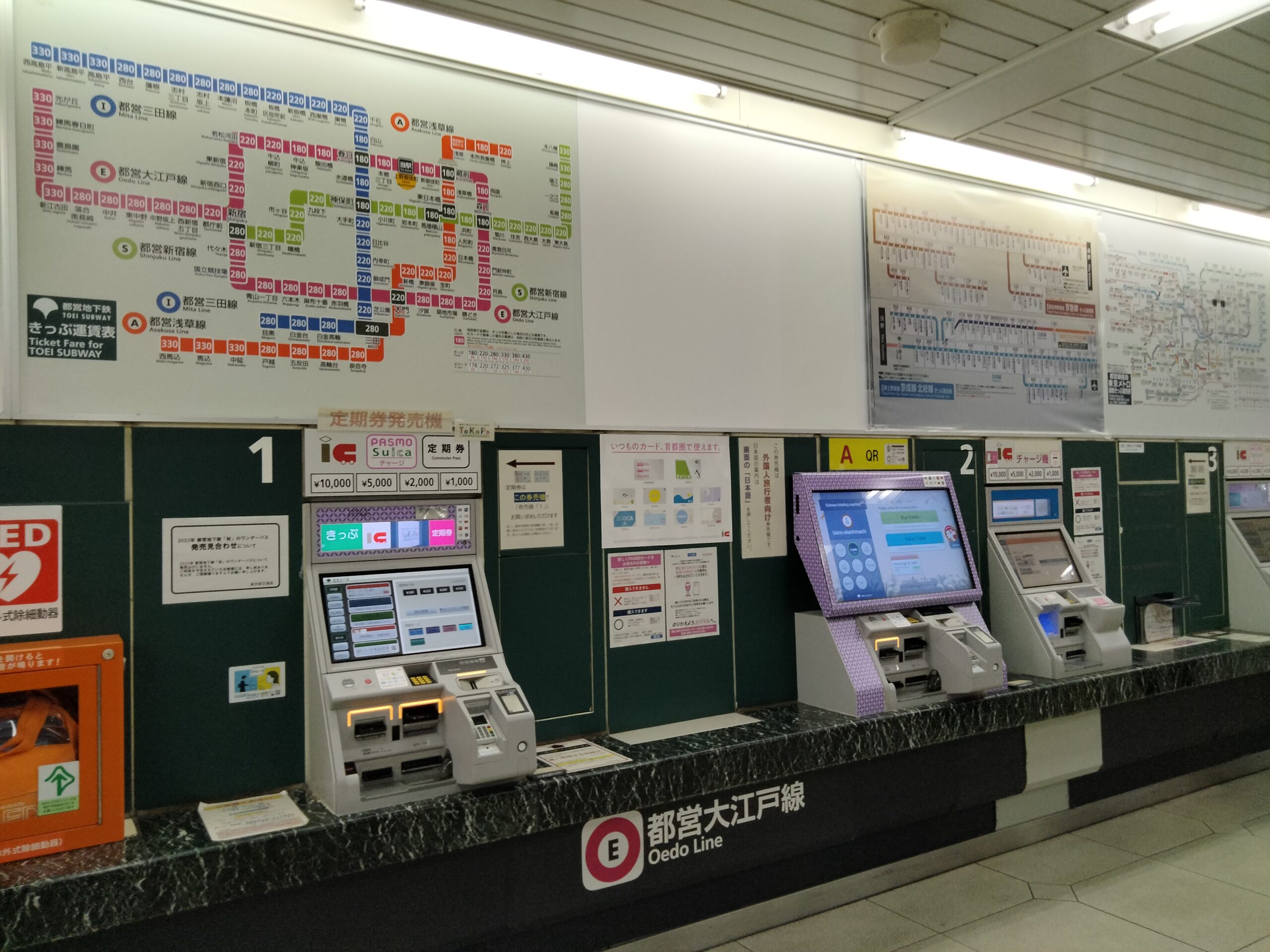
Parents (and kids 12 and up) have three easy options. Pick one per person. Each adult needs their own card or phone, since one card can’t be used for two people.
| Option | Where you get it | Validity | How you top up |
|---|---|---|---|
| Welcome Suica Mobile (iPhone app) | Download the app before you fly | 180 days | In the app, via Apple Pay |
| Welcome Suica (physical card) | Narita, Haneda Terminal 3, central Tokyo JR East Travel Service Centers | 28 days | Cash at ticket machines or Seven Bank ATMs |
| TOURIST PASMO (physical card) | Railway stations at Narita and Haneda airports | 28 days | Cash at ticket machines |
Finding your route (with a stroller)
Once your cards are sorted, two free apps cover almost every train trip a family makes in Japan.
- Google Maps: the easiest option for most visitors. Pick the transit icon, then open Options and choose Wheelchair accessible. Google then suggests routes that avoid stairs, which also works well with a stroller. The trip may take a little longer, but you won’t be carrying a stroller up a long staircase. Tokyo was one of the first cities where Google launched this feature.
- Japan Travel by NAVITIME: a Japan-focused route app that shows platform numbers and timetables, and has a Japan Rail Pass mode for finding routes your pass covers. It’s free to download, with optional paid extras such as alternative routes during delays.
The fares shown in route apps are usually adult fares. Kids aged 6–11 pay about half, and under-6s usually ride free. For more on getting around with little ones, see our guide to using a stroller in Tokyo.
Shinkansen and limited express trains
For the bullet train, buy tickets rather than relying on an IC card. The same age rules apply, with a few extras:
- Kids aged 6–11 pay half for the base fare, the limited express charge and the reserved seat charge.
- Green Car (first class) charges are the same price for kids as for adults.
- Kids under 6 ride free on your lap. If you want them in their own reserved seat, buy a child ticket for that seat.
Booking Shinkansen tickets with kids?
Traveling from Tokyo to Kyoto, Osaka or beyond? You can book your family’s bullet train tickets online, including child tickets, and receive a QR code by email. On some routes you can board with the QR code, while on others you exchange it for paper tickets at the station.
Book Shinkansen Tickets →Affiliate link. Booking fees may apply, so compare the total price with JR’s official booking services.
On a long ride, a toddler on your lap for two or three hours can be tiring. Many families buy a child ticket so everyone gets a proper seat. If you are bringing a stroller on the train, see our guide to using a stroller in Tokyo.
Is a rail pass worth it for a family?
Kids aged 6–11 pay half for a rail pass, and up to two kids aged 1–5 ride free with each pass holder as long as they don’t take their own reserved seat. Whether a pass saves money depends on how many long trips you take:
- Japan Rail Pass (whole Japan): the 7-day Ordinary pass costs ¥50,000 for adults and ¥25,000 for children on JR’s official site, or ¥53,000 / ¥27,000 through travel agencies since October 1, 2026. A Tokyo–Kyoto return alone costs a little over half of that, so it pays off only if you add another long trip, such as Hiroshima.
- JR Kyushu Rail Pass: the 3-day All Kyushu pass costs ¥22,000 (children half). A Hakata–Kagoshima return by Shinkansen costs about the same, so it is easy to save money in Kyushu. See our Kyushu with kids guide for routes.
Rail passes are for short-term overseas visitors. Add up your planned Shinkansen fares before buying; individual tickets are cheaper for a simple Tokyo–Kyoto–Tokyo trip.
Traveling to Fukuoka?
The Fukuoka City Subway uses the same rules. Kids aged 6–11 pay the child fare, and kids aged 1–5 ride free with an adult or older child. If you already have a child Welcome Suica from Tokyo, you can keep using it on Fukuoka’s subway.
The catch: Welcome Suica and TOURIST PASMO are only sold in the Tokyo area. If you fly straight into Fukuoka, for example from Korea or Taiwan, you won’t find either one there. (Planning your days there? See our Fukuoka with kids guide.) Instead, get your kids aged 6–11 a child HAYAKAKEN, the subway’s own IC card. Everyone under 6 still rides free.
Only riding the subway a few times? Child tickets from the station ticket machines work fine too. Details are on the Fukuoka City Subway HAYAKAKEN page.
Family Compatibility
Japan train fares for kids: common questions
Do kids need a Suica card in Japan?
Children under 6 don’t need one; they walk through the gate with a paying adult or older child (up to two per person). Children aged 6–11 should have a child IC card, such as a Welcome Suica (Child), TOURIST PASMO (Child) or child HAYAKAKEN, so they are charged half fare.
Is there a Welcome Suica for kids?
Yes. JR East sells a Welcome Suica (Child) at Narita, Haneda Terminal 3 and JR East Travel Service Centers in central Tokyo. Bring your child’s passport to buy it.
Can kids use Welcome Suica Mobile?
No. The Welcome Suica Mobile app is for ages 13 and up and always charges adult fares. Children aged 6–11 need a physical child card.
Do kids ride free on the Shinkansen?
Children under 6 ride free if they sit on your lap. If you want them to have their own reserved seat, buy a child ticket. Children aged 6–11 pay half the fare and reserved-seat charge.
Do kids pay half for the JR Pass?
Yes. Children aged 6–11 pay half the adult price for the Japan Rail Pass and the JR Kyushu Rail Pass. Under-6s travel free with a pass holder as long as they don’t use their own reserved seat.
Practical Tips
- Pack your child’s passport in your carry-on, not your checked bag. You need it at the airport to buy their card.
- Let kids tap their own card. It is a highlight for many children, and it makes sure the right card is used for the right person.
- Use one card per person. A card cannot be passed back over the gate for a second rider.
- Top up small amounts in cash, since Welcome Suica balances are not refunded at the end of your trip.
- For busy Shinkansen routes during school holidays, book a child seat for a toddler rather than counting on a free empty seat.
- If a gate beeps and closes, don’t panic. Step back and ask the staff at the window next to the gates. They see this all day.
Traveling with a baby or lots of luggage?
If getting through train stations with suitcases and a stroller sounds stressful, an airport limousine bus or a private transfer can be an easier first day.
- Narita Airport Limousine Bus: runs to central Tokyo areas such as Shinjuku, Shibuya, Tokyo Station and Ginza, and stops at several hotels, including some in our Shinjuku family hotel guide. Kids aged 0–5 ride free if they don’t need their own seat. Each passenger can check up to two bags.
- Haneda Airport private transfer: door-to-door to your hotel, with child seats available as an add-on. Check the seat details and your luggage count before booking.
Planning your first days in Tokyo?
Now that your cards are sorted, see how families with babies actually get around Tokyo, and which spots are worth the ride.