
18 Unique Things to Do in Tokyo with Kids: Hands-On Experiences
Indigo dyeing, fake food, sumo and ninja training — 18 hands-on Japanese experiences in Tokyo for kids aged 3 to 12, with age rules, English support and booking info for each.
This article contains affiliate links. If you book through them, Japan Kids Travel may earn a small commission at no extra cost to you. Prices and age rules change, so always check the booking page before you go.
- Best age: 3–12 (each operator’s own age rule is listed below)
- Take it home the same day: Fake food, indigo dyeing, washi paper, chopsticks, Edo Kiriko glass, amezaiku candy
- Free options: Ochanomizu Origami Kaikan and Suginami Animation Museum
- Budget picks: Washi paper (from ¥1,000), indigo dyeing (from ¥2,500), taiko (¥2,990)
- English support: Varies — noted on each experience
- Time needed: 45 minutes to 2.5 hours per experience
- Booking: Most need advance booking; book 1–2 weeks ahead in school holidays
- Last updated: November 2026
Tokyo has no shortage of things to do with kids. But if you’re visiting Japan as a family, why not try something you wouldn’t normally find at home? Kids can shape a wax tempura that looks good enough to eat, dip a handkerchief into a vat of real indigo, sculpt a rabbit out of warm candy, or throw ninja stars in Asakusa.
This guide covers 18 unique Japanese experiences in Tokyo with kids aged 3 to 12 — crafts, food classes, traditional culture and anime. For each one you’ll find what your child actually does, the operator’s age rule, how long it takes, how much English to expect and where to book. When two companies run a similar class, both are shown so you can compare. New to Tokyo with children? Start with our Tokyo with kids guide for the basics.
Quick comparison: 18 Japanese experiences for kids
“Best for” is our suggestion. “Age rule” is what the operator or booking page states — that one decides whether your child can join. “None listed” means the booking page gives no age rule, so ask before you book. Prices are in yen where the operator lists yen; Viator shows US dollars.
| Experience | Area | Best for | Age rule | Time | English | Price | Booking |
|---|---|---|---|---|---|---|---|
| 1. Fake food samples | Asakusa / Kita-Ikebukuro | 6–12 | None listed | About 1 hr | Yes / partly | From ¥5,750 (Asakusa) | Klook, byFood |
| 2. Amezaiku candy | Asakusa | 8–12 | Adult supervision; preschoolers with parent help | About 2 hr | English video and written steps | From ¥3,650 | byFood |
| 3. Indigo dyeing (aizome) | Asakusa area | 5–12 | 4+ | 60–75 min | Yes | From ¥2,500 | Official site |
| 4. Washi paper | Nihonbashi | 5–12 | None listed | About 45 min | Basic | From ¥1,000 | Official site (3 days ahead) |
| 5. Chopstick making | Asakusa | 8–12 | None listed | About 1 hr | Yes | From ¥2,000 | Klook |
| 6. Edo Kiriko glass cutting | Asakusa | 9–12 | 9+ | See listing | Yes | From about ¥4,500 | Klook |
| 7. Pottery | Shiba (near Tokyo Tower) | 5–12 | 3+ (studio’s kids plan) | About 1–1.5 hr | Tue, Thu, Sat, Sun | From ~US$26.50 + firing fee | Viator |
| 8. Origami Kaikan | Ochanomizu | All ages | All ages | 30–60 min | Some | Free entry | Not needed |
| 9. Taiyaki | Asakusa | 3–12 | byFood: under 6 free with a booked adult | About 1 hr | Some | From ¥4,000 (byFood) | byFood, Klook |
| 10. Wagashi (mochi, dango, nerikiri) | Meguro / Komazawa | 6–12 | 4+ (Meguro mochi class) | 1.5–2.5 hr | Yes | See listing | byFood, Klook |
| 11. Sushi making | Sasazuka | 7–12 | 7+ | About 2.5 hr | Yes | From ¥8,000 | byFood |
| 12. Ninja training | Asakusa | 3–12 | Kids welcome; under-12s with an adult | 1–2 hr | Yes | From ~¥6,600 (cafe) | Klook, Viator |
| 13. Samurai experience | Asakusa | 5–12 | Child ticket ages 3–12 | 60–75 min | Yes | Child ¥2,700 + tax (museum) | Klook, Viator |
| 14. Sumo show with chanko lunch | Asakusa | 5–12 | Lower price for under-12s | About 2 hr | English MC | ¥16,000 (adult seat) | Klook |
| 15. Taiko drumming | Okubo (Shinjuku) | 5–12 | None listed; min. 2 per booking | About 1 hr | Yes | ¥2,990 | Klook |
| 16. Kimono walk in Asakusa | Asakusa | 3–12 | None listed; kids’ sizes to 150 cm | Half day or more | See listing | From ¥2,880 | Klook |
| 17. Manga lesson | Ikebukuro | 8–12 | 6+ | About 2 hr | English interpretation | ¥19,800 | Klook |
| 18. Suginami Animation Museum | Ogikubo | All ages | All ages | 1–2 hr | English audio guide | Free | Not needed |
Japanese Crafts & Creative Experiences
These are the picks for a souvenir your child actually made. Most finish in about an hour, and six of them sit in or near Asakusa, so one craft fits easily into a morning around Sensoji.
1. Make Japanese fake food (food sample workshop)
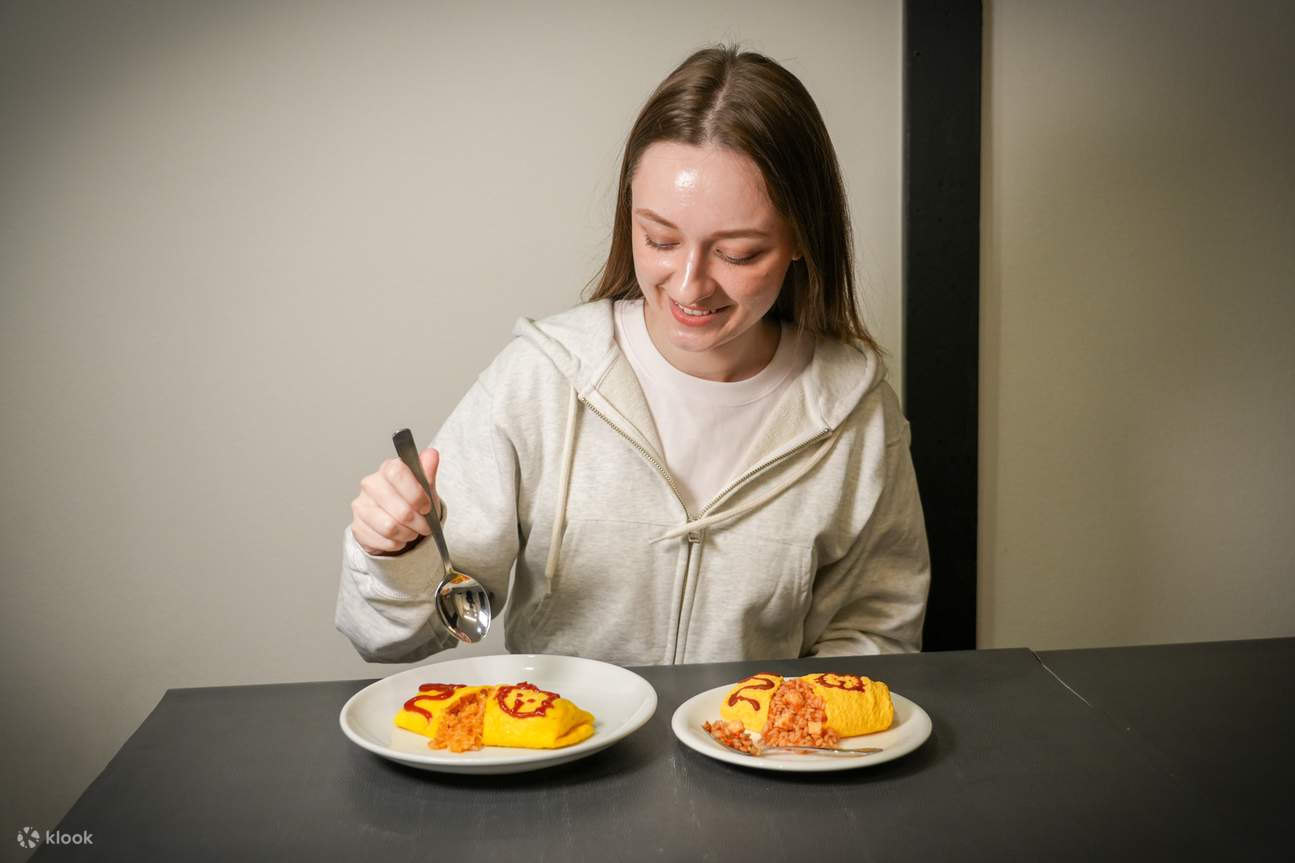
The plastic food displayed outside Japanese restaurants is called sampuru, and it’s a craft you won’t find in many other countries. Kids shape and color their own replica, wait for it to set, and take it home the same day. The two workshops below are in different parts of Tokyo and make different things.
Photo shows the Klook Asakusa cafe, not the byFood workshop in Kita-Ikebukuro.
2. Sculpt a candy rabbit (amezaiku)
Amezaiku is a centuries-old Japanese street craft: warm, soft candy is pulled, snipped and bent into a tiny animal on a stick. After a demonstration, everyone gets two practice runs before making a final candy rabbit to paint with edible colors. It’s harder than it looks, which is exactly why older kids love it.
The candy is heated to about 90°C, so children must be supervised by an adult. Preschoolers can join when a parent helps them. Instructions are given with an English video and written steps.
3. Dye your own indigo handkerchief (aizome)
Japanese indigo, or aizome, is the deep “Japan blue” once used for everything from kimono to work clothes. At Wanariya, kids fold and tie a cloth with rubber bands, dip it into a vat of natural indigo and watch it change color in the air. Nobody knows exactly what the pattern will look like until it’s unwrapped — which is the fun part.
The studio rinses the piece for you, and you take it home the same day, usually still a little damp. It’s short, inexpensive and works well for siblings of different ages. Pair it with Sensoji, about a 15-minute walk away.
4. Make your own washi paper at Ozu Washi

Washi is Japan’s traditional handmade paper, listed by UNESCO as intangible cultural heritage. Kids scoop pulp-filled water with a wooden frame, shake it until the fibers spread, and leave with their own A4 sheet the same day. It’s one of the best-value hands-on experiences in central Tokyo, and the shop’s washi museum upstairs is a nice bonus.
Book through the official form at least 3 days ahead; walk-ins are possible only if there’s space. Staff speak basic English, but the session is mostly in Japanese. Same-day cancellations are charged in full.
5. Carve your own chopsticks

Chopsticks are something every family uses every day in Japan, which makes this a practical souvenir. Guided by a local artisan, kids shape, plane and polish their own pair with traditional Japanese woodworking tools, then take them home and actually use them. It’s calm and focused — a nice counterweight to the busier activities on this list.
Some hardwoods are tough to plane, so steer younger kids toward the softer woods.
6. Cut your own Edo Kiriko glass

Edo Kiriko is Tokyo’s traditional cut glass, with sharp geometric patterns ground into the glass on a spinning wheel. After a short demonstration, kids mark a design and cut it themselves with a craftsperson nearby. The finished glass is boxed on the spot and goes home the same day.
The studio’s minimum age is 9, which makes this one of the best picks for older kids who are ready for a real tool and a grown-up-looking result. If a parent wants to join alongside their child, contact the studio before booking.
7. Try Japanese pottery (hand-building)
Kids shape clay by hand — a small bowl, a cup or a plate — with an instructor checking each step. Hand-building is closer to playing with play dough than using a wheel, which makes it the easier choice for younger children. After the class, you choose which pieces to fire and pick a glaze color.
The cost has three parts: the class fee, a firing fee for each piece you keep (a small cup is about ¥1,000; a rice bowl about ¥1,500–2,000), and shipping if you won’t be in Tokyo to collect it. Classes are taught in English on Tuesdays, Thursdays, Saturdays and Sundays.
8. Ochanomizu Origami Kaikan (free)
A free stop run by a paper company founded in 1858. There’s a gallery of remarkable origami, a shop full of patterned paper to take home, and a workshop floor where you can watch craftspeople hand-dye washi. Origami lessons run on set dates for a fee, so check the schedule if your kids want to fold rather than just look.
Love Japanese souvenirs? Making one is the best kind — and if you want to keep shopping afterwards, our guide to what to buy in Japan for kids covers the toys, stationery and tableware Japanese families actually buy.
Japanese Food Experiences
Food classes double as a meal or snack, which makes them easy to fit into a day. Check the age rule carefully here — it varies more than in any other category, and some classes ask every adult who comes along to book too.
9. Make taiyaki (fish-shaped cakes)
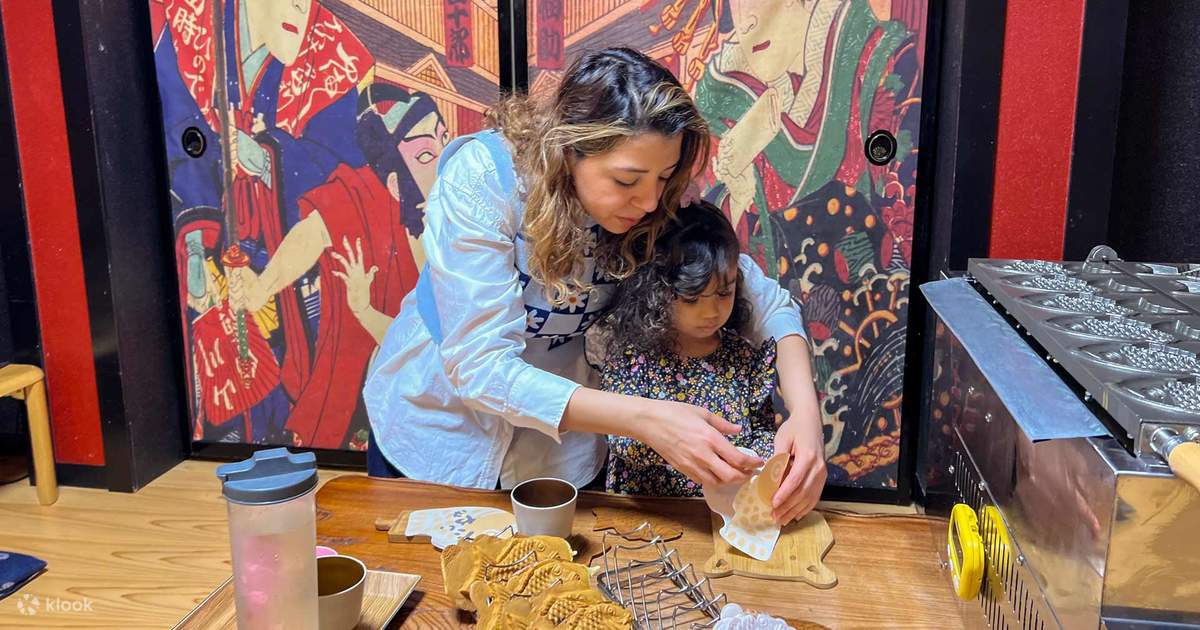
Taiyaki are fish-shaped cakes sold at street stalls all over Japan. Kids mix the batter, pick sweet or savory fillings — red bean, custard, cheese, even curry — and bake their own in hot iron molds, then eat them on the spot. It’s the easiest food class on this list for young children, as long as an adult stays close to the molds.
Photo is from the Klook listing. Child rules differ by booking site — on some other sites, preschoolers joining with a parent are charged — so read the conditions on the page you book.
10. Make Japanese sweets: mochi, dango and nerikiri (wagashi)
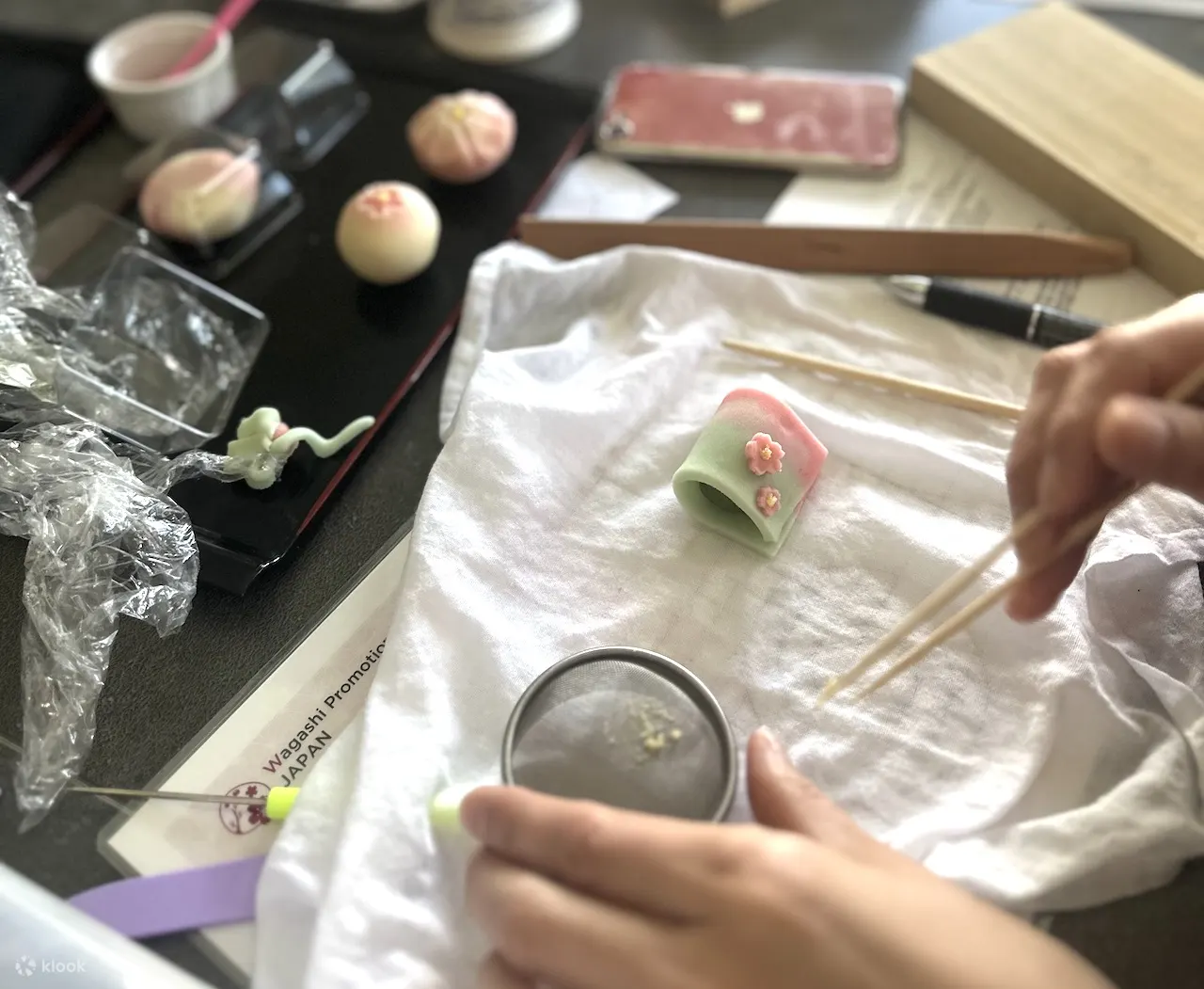
Wagashi are traditional Japanese sweets. Chewy mochi and colorful dango skewers are the easy, playful end; nerikiri — bean paste shaped into flowers and seasonal designs with small wooden tools — is the detailed, artistic end. Kids who like play dough usually love both. Most classes finish with the sweets and a bowl of matcha.
The first two options below are run by the same instructor in Meguro, so choose by length and menu. Ingredients are plant-based in the Meguro classes.
Photo is from the Klook nerikiri class in Meguro.
11. Roll your own sushi
A relaxed, homey class with a certified sushi chef where kids learn four types of sushi — nigiri, gunkan, maki rolls and inari (rice in sweet tofu pockets) — and then eat what they’ve made. Inari and maki are usually the easy wins for kids who aren’t sure about raw fish.
The menu is fixed and includes raw fish such as tuna and salmon. A vegetarian option is available on request, but vegan diets and food allergies can’t be accommodated.
Traditional Japanese Culture: Ninja, Samurai, Sumo, Taiko & Kimono
After a morning of careful crafting, these are the activities where kids get to throw, swing, cheer and drum — plus a kimono walk for the family photo. The ninja and samurai options are aimed at families, with costumes, soft equipment and staff who are used to young children.
12. Ninja training for kids
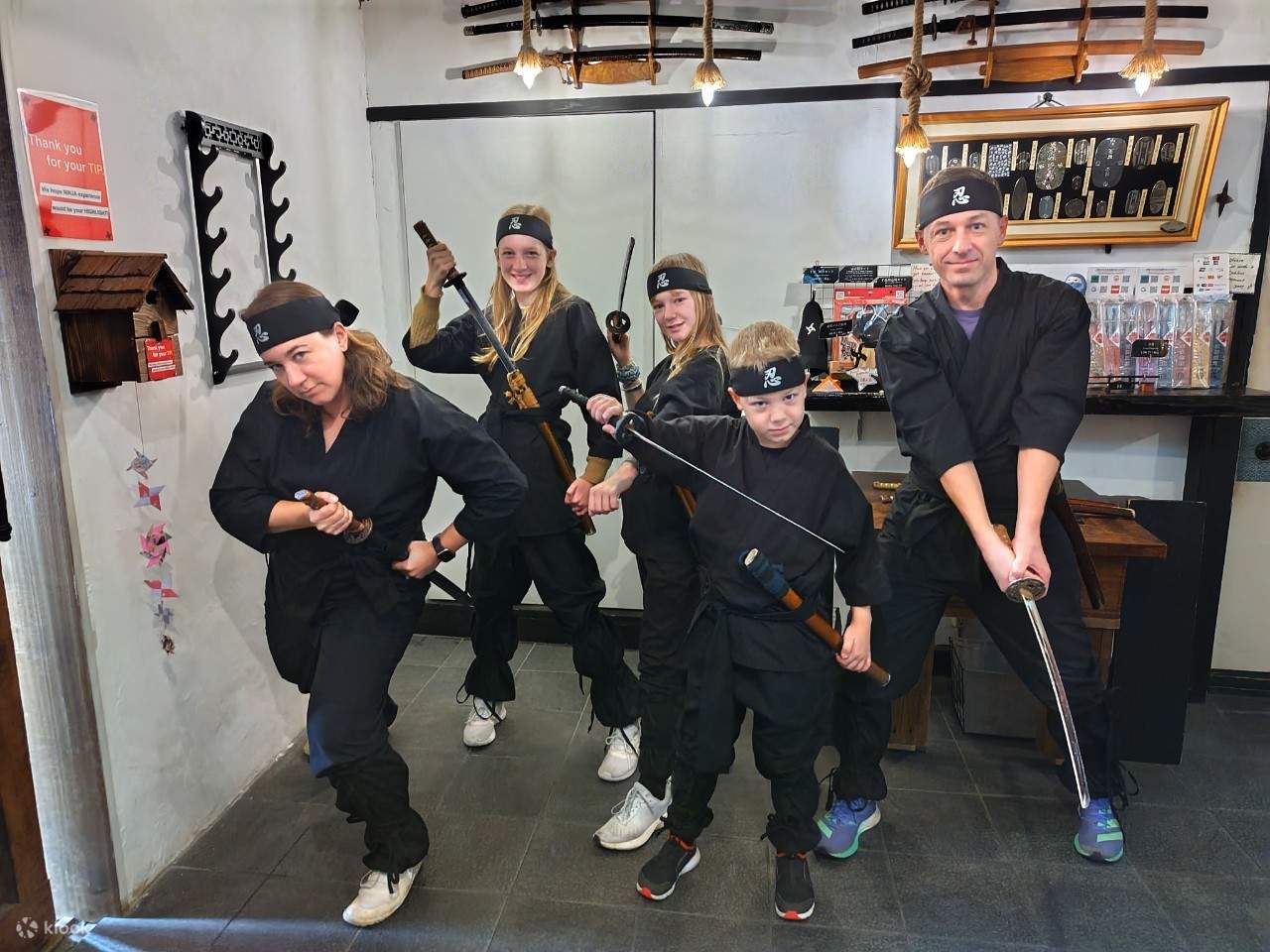
For younger children, dressing up as a ninja and throwing practice stars is often the highlight of the whole trip. These two Asakusa options are run by different companies: one is a playful ninja cafe, the other adds a guided tour of a samurai and ninja museum.
Photo shows the Klook ninja cafe. The Viator option takes place at the Samurai Ninja Museum Tokyo in Nishi-Asakusa — the same venue as the samurai experience below. Its web address still contains the word “Kyoto” from an older listing; the meeting point is in Asakusa.
13. Samurai experience for families
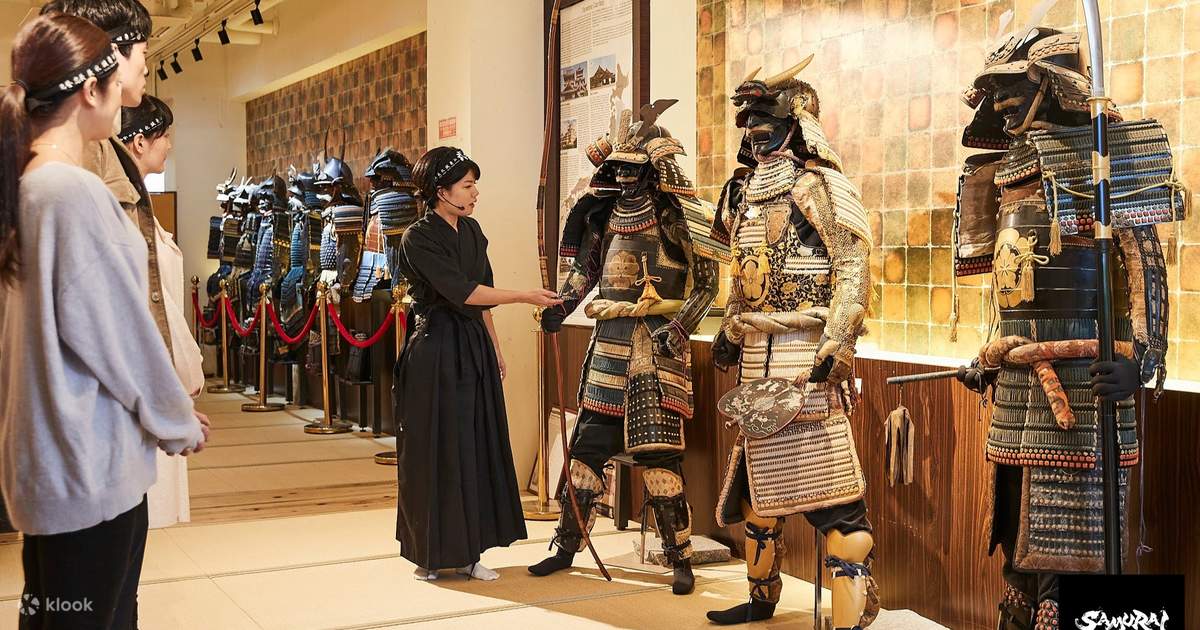
The museum displays real Edo-period armor and swords, and the family programs let kids try on samurai gear rather than just look at it. Pick the shorter museum ticket for younger children, or the sword lesson for kids who want to learn some actual moves.
The same museum also sells a separate sword experience using real swords that is closed to children under 10 — make sure you book the family-friendly version.
14. Watch a sumo show with a chanko lunch
Outside the three Tokyo tournaments a year, this is the easiest way for kids to see sumo up close. Former wrestlers demonstrate training drills and pre-bout rituals, an English-speaking MC explains what’s going on, and the audience splits into East and West teams to cheer on three exhibition bouts.
A few volunteers from the audience put on padded suits and take on a wrestler, chosen by lot if more people raise their hands. All-you-can-eat chanko hot pot, inari sushi, karaage and dessert are served during the show, so it doubles as lunch or dinner.
15. Play taiko drums
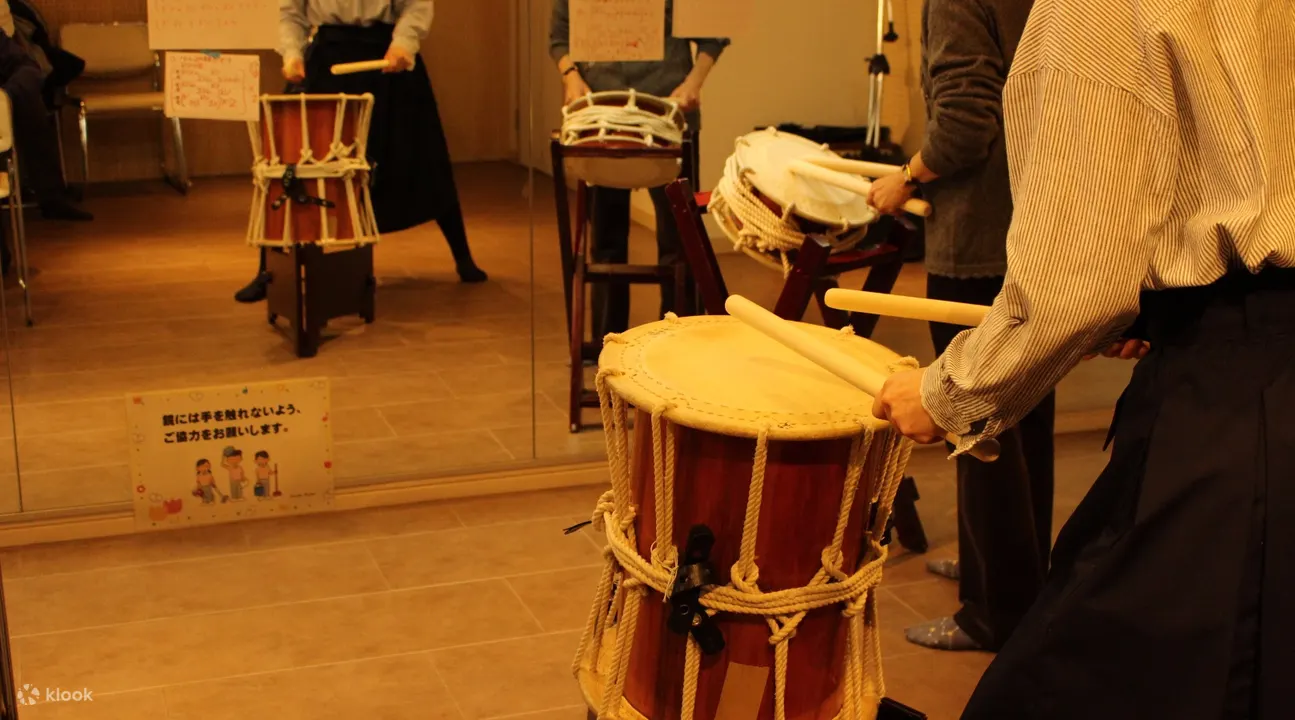
Taiko drums are played at Japanese festivals and shrines, and kids who know the arcade game will finally get to hit the real thing. They learn basic stances and rhythms on drums of different sizes, then play a short piece together as a group. Loud, physical and instantly satisfying — no musical background needed.
This is a small, local-feeling lesson: you meet the instructor at the station and walk to a modest studio. Bookings need at least 2 people.
16. Walk Asakusa in a kimono
Dressing up in a kimono and walking to Sensoji is one of the easiest ways to make a family photo feel unmistakably Japanese. Staff dress everyone and can style hair with accessories, then you have the day to explore.
The shop has a children’s kimono and yukata plan in sizes up to 150 cm, plus baby sizes, so the whole family can dress up together. Next-day return is included, and luggage storage and umbrella rental are free.
Japanese Pop Culture: Manga & Anime
Manga and anime are as much a part of Japanese culture as temples — and both of these let kids try the craft, not just buy the merchandise. One is a paid class; the other is free and works on a rainy day.
17. Beginner manga drawing lesson
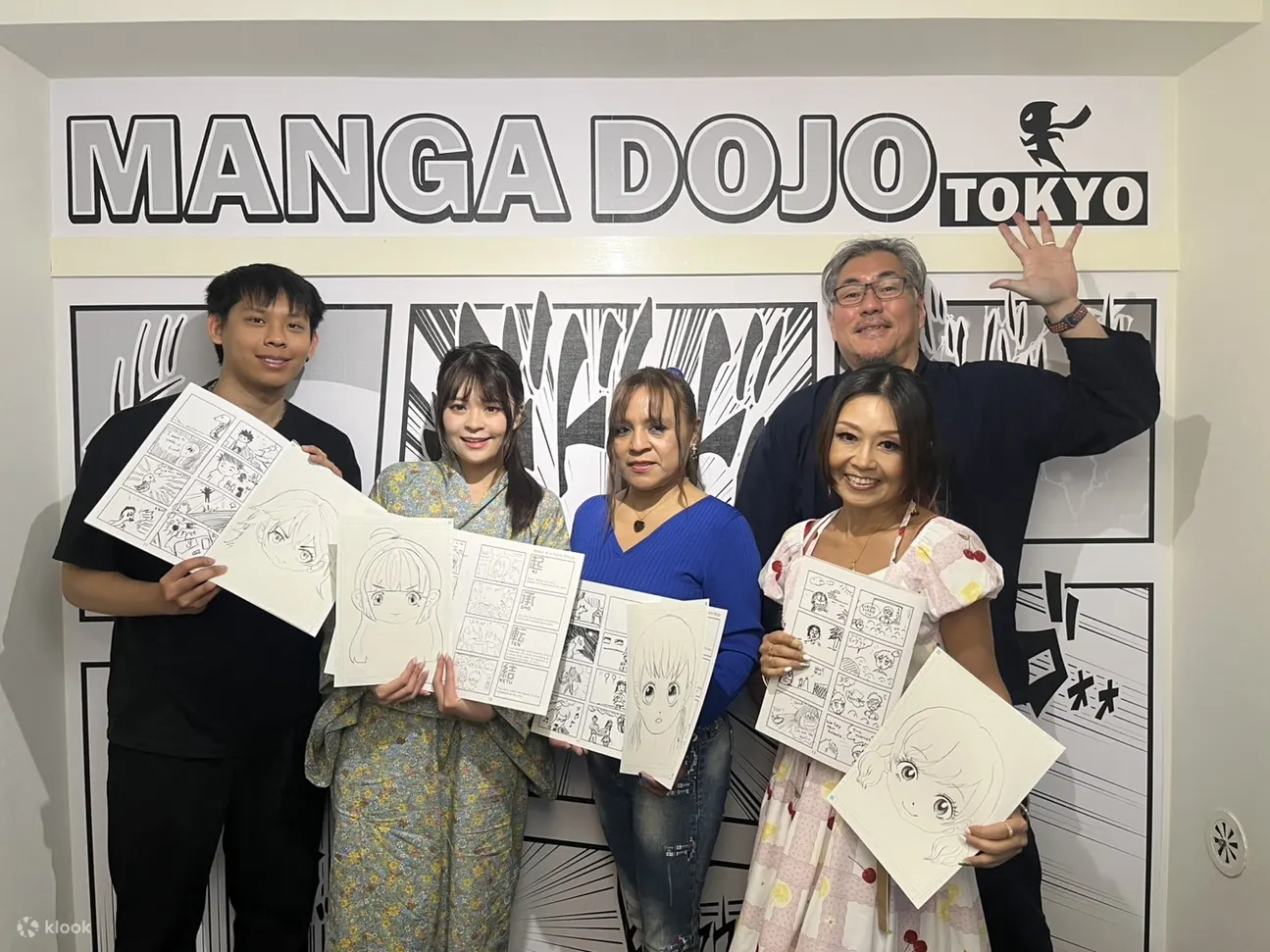
Taught by working Japanese manga artists, this 2-hour class shows how manga is really made — character design, panel layout and inking with real G-pens, screen tones and manga paper. Kids draw their own chibi-style character and take the page home. The standard course is designed for beginners and families.
It’s the priciest experience on this list, so it’s best for kids who already love to draw and can focus for two hours.
18. Suginami Animation Museum (free)
A free museum about how Japanese anime is made, in a part of Tokyo where many anime studios are based. Beyond the exhibits on anime history and production, kids can step into a dubbing booth and record lines over a short anime clip (afureko), and try simple digital animation and coloring at the workshop computers. Special exhibitions change through the year, and the museum also runs occasional animation workshops.
The free audio guide is available in English, and many displays have English captions. Staff mainly speak Japanese, and the hands-on screens are mostly in Japanese, so expect to figure some things out together.
How to choose by age
- Ages 3–5: Taiyaki, ninja training, the samurai museum ticket, a kimono walk, indigo dyeing (from 4) and the free Origami Kaikan or Suginami Animation Museum. Keep it to one booked activity a day.
- Ages 6–9: Add fake food, washi paper, mochi and dango, pottery, taiko and the sumo show. These are short enough to hold attention and give kids a finished result.
- Ages 10–12: Edo Kiriko glass (from 9), amezaiku, chopstick carving, nerikiri, sushi (from 7) and the manga lesson — the ones that reward patience and steady hands.
Several of these sit close together. Fake food, amezaiku, indigo dyeing, chopsticks, Edo Kiriko, taiyaki, sumo, the kimono walk and the ninja and samurai experiences are all in or near Asakusa, so you can pair one craft with one active thing in the same half day. For hands-on play spaces aimed at babies and preschoolers — such as the Tokyo Toy Museum — see our guide to baby-friendly spots in Tokyo and Tokyo with toddlers. Traveling with a 13- to 17-year-old as well? Our things to do in Tokyo with teens guide covers more grown-up workshops, from kendo to kintsugi and a ramen class.
Family Compatibility
Practical Tips
- Check who needs a ticket. Some classes charge every adult who comes in, even if they only watch; others don’t allow spectators at all.
- Book small classes early. Many have 2–6 places per session, and some need at least 2 people to run.
- Plan one craft and one active thing per day. Kids focus better on detailed crafts in the morning and burn energy at ninja or taiko later.
- Think about what comes home. Indigo, washi, fake food, chopsticks and Edo Kiriko glass go home the same day; pottery takes 1–2 months and costs extra to ship.
- Arrive 10 minutes early. Many studios are in small buildings that take a minute to find, and some shorten or refuse late arrivals.
- Leave the big stroller behind. Several workshops are on upper floors of small buildings. Our stroller guide for Tokyo explains when a light stroller or carrier works better.
- Mention allergies when booking. Some food classes offer vegetarian or vegan options; others have fixed menus and can’t adjust.
FAQ
What are the best Japanese experiences in Tokyo for kids under 6?
Taiyaki making, ninja training in Asakusa, the samurai museum and a kimono walk are the easiest for preschoolers, along with indigo dyeing from age 4. The free Origami Kaikan and Suginami Animation Museum work for any age.
Which experiences let kids take their creation home the same day?
Indigo dyeing, washi paper, fake food samples, chopsticks, Edo Kiriko glass and amezaiku candy all go home with you on the day. Pottery needs to be fired, so it’s ready 1–2 months later and is usually shipped.
Are these workshops run in English?
Most of the booked experiences here have English instruction or English materials. Ozu Washi and the Suginami Animation Museum are mostly in Japanese, and the pottery studio teaches in English on Tuesdays, Thursdays, Saturdays and Sundays. Each card above notes the level of English to expect.
Do parents have to pay if they only watch?
It depends on the class. At the byFood taiyaki class, everyone 6 and over must book, while the samurai museum requires children 3–12 to come with a paying adult. Check the booking page before you go.
Are there free Japanese experiences for kids in Tokyo?
Yes. Ochanomizu Origami Kaikan and the Suginami Animation Museum are both free to enter. Washi paper making at Ozu Washi starts from ¥1,000, one of the cheapest hands-on options in central Tokyo.
Book a Japanese experience in Tokyo
Browse more kid-friendly workshops, food classes and cultural experiences in Tokyo. Many offer free cancellation up to 24–48 hours before.
Planning the rest of your Tokyo trip?
Start with our Tokyo with kids hub for neighborhoods, transport and family basics — or see our hands-on experiences for teenagers.