Kyushu is where Japan gets bigger, wilder and slower: active volcanoes, family-friendly hot springs, aquariums, castles, subtropical islands and excellent food, usually with fewer crowds than Tokyo or Kyoto. The key to a good family trip is not trying to see the whole island.
Kyushu is a fantastic family destination, but I would not describe the whole island as “compact and easy.” Fukuoka is compact. Kyushu is not.
The best trips usually combine two or three areas and use the right transport for each part: trains between major cities, then a rental car when you want volcanoes, countryside, small onsen towns or places such as Aso and Takachiho.
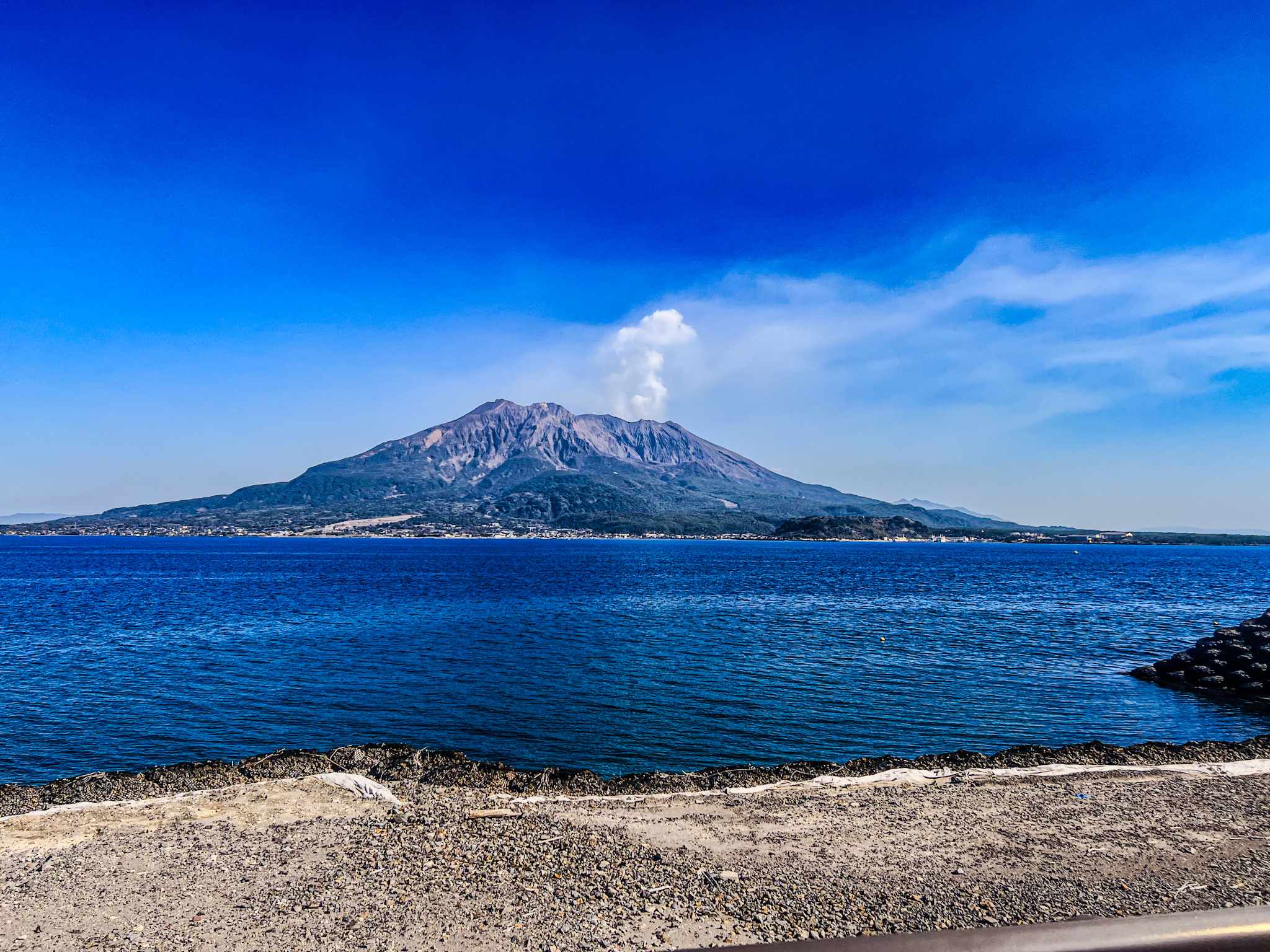
That slower approach is also what makes Kyushu different from a Tokyo or Kyoto trip. Instead of moving between famous sights every hour, you can spend a day around a volcano, take a ferry across to Sakurajima, soak in a family bath or combine an aquarium with a huge seaside park.
This page contains affiliate links. If you book through them, we may earn a small commission at no extra cost to you.
A government-supported travel programme offers discounts on eligible overnight trips: generally up to 50%, or up to 60% in Kumamoto and Kagoshima, subject to caps. Eligible dates, booking methods and remaining allocations vary by prefecture and seller; individual sellers can close sales when their allocation runs out. These are not automatic discounts on every hotel booking.
For Kagoshima, the published eligible travel period extends to January 31, 2027 for travel agencies and online booking sites, and February 28 for direct hotel bookings, excluding December 26, 2026–January 3, 2027. Other prefectures generally have shorter eligibility windows. Check the official prefectural terms before relying on an offer.
See official discount terms →A separate campaign, scheduled through February 28, 2027 or until the budget is used, offers up to ¥11,420 in value toward the equivalent of a one-way Hakata–Kagoshima Shinkansen fare. It is limited to residents of specified markets who enter Japan via Fukuoka Airport and reserve at least one night in Kagoshima through the designated Klook campaign. Check the offer’s eligibility and booking flow; it is not a general rail discount.
Check the Klook Kagoshima campaign →After the July 2026 Kumamoto earthquake, the Kyushu Shinkansen reopened along its full route on September 18, and the Kagoshima Main Line between Uto and Yatsushiro reopened on October 10 on its normal timetable. Check JR Kyushu on your travel day for weather-related delays.
JR Kyushu train information →- First Kyushu trip: Fukuoka + Beppu is the easiest introduction
- Volcanoes and big scenery: Kumamoto + Aso or Kagoshima + Sakurajima
- Best for onsen: Beppu, Yufuin, Kurokawa or Ureshino
- Theme park: Nagasaki / Sasebo for Huis Ten Bosch
- Animals and aquariums: Fukuoka, Oita, Kagoshima and Amakusa
- Without a car: Fukuoka, Nagasaki, Beppu and Kagoshima City are the easiest
- With a rental car: Aso, Takachiho, Kuju and rural Kagoshima become much easier
- Ideal trip length: Around 5–10 days for two or three areas
Why Kyushu is so good with kids
Volcanoes feel real here
Aso and Sakurajima make geology much easier for children to understand than reading about volcanoes in a museum.
Hot springs are part of everyday travel
Beppu, Kurokawa, Ureshino, Kirishima and other onsen areas make it easy to build bathing and slower hotel time into the trip.
More room to slow down
Outside the biggest attractions, many parts of Kyushu feel less compressed than the main Tokyo–Kyoto tourism corridor.
Fast trains between major cities
Fukuoka, Kumamoto and Kagoshima are linked by Shinkansen, while Nagasaki has the western Kyushu high-speed rail connection.
Easy family eating
Ramen, udon, chicken, seafood, wagyu, local fruit and casual restaurant culture make Kyushu relatively easy with children who do not want formal meals.
City and nature work together
You can combine an aquarium or science museum with a farm, ferry ride, onsen or volcanic landscape without building the whole trip around children’s attractions.
Choose your Kyushu trip
Instead of asking which prefecture is “best,” start with what you want the family to remember.
Fukuoka + Beppu
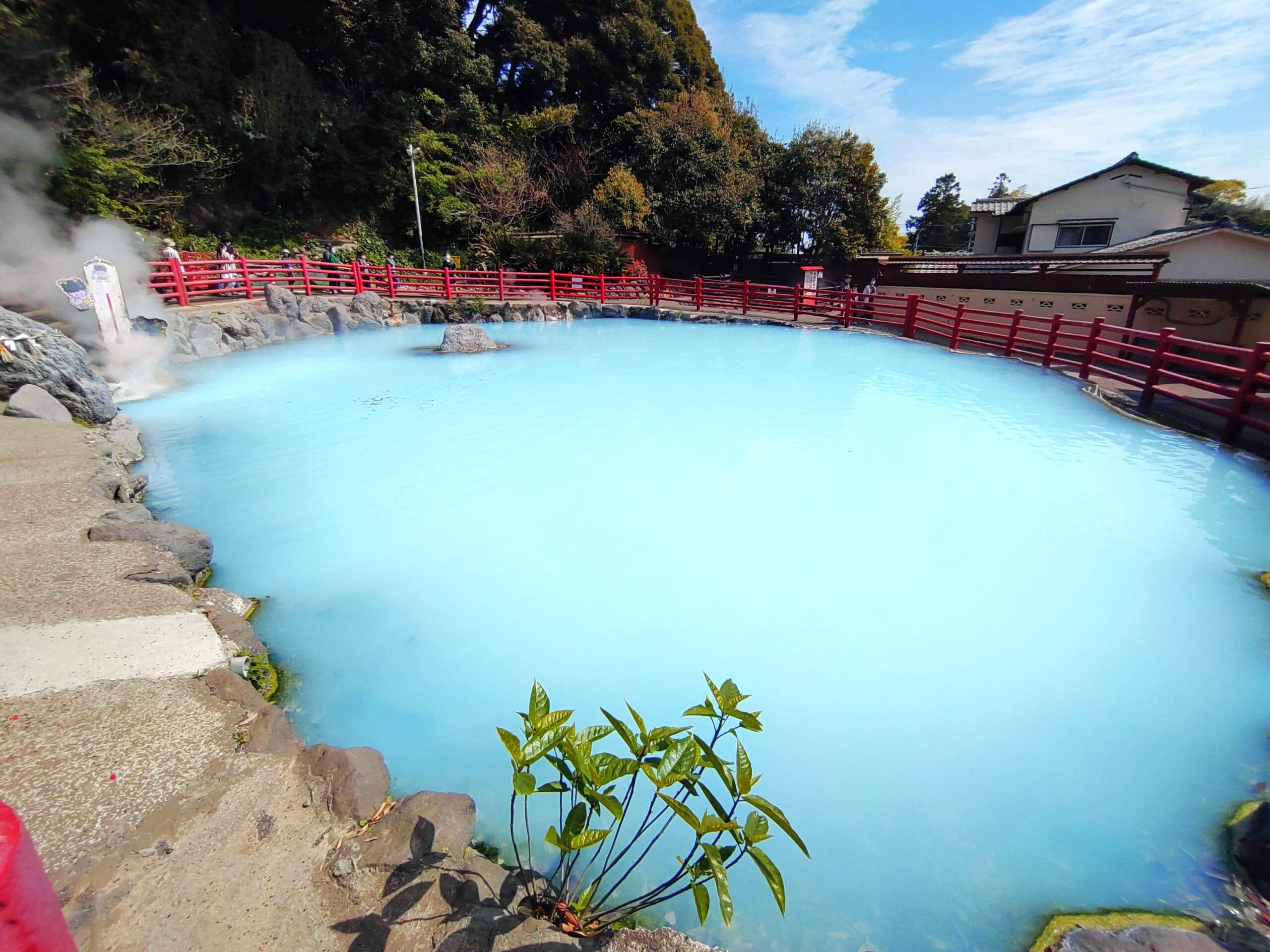
The easiest introduction: city food and family attractions in Fukuoka, followed by hot springs, Umitamago and the Beppu Hells. See the Beppu guide.
Kumamoto + Aso
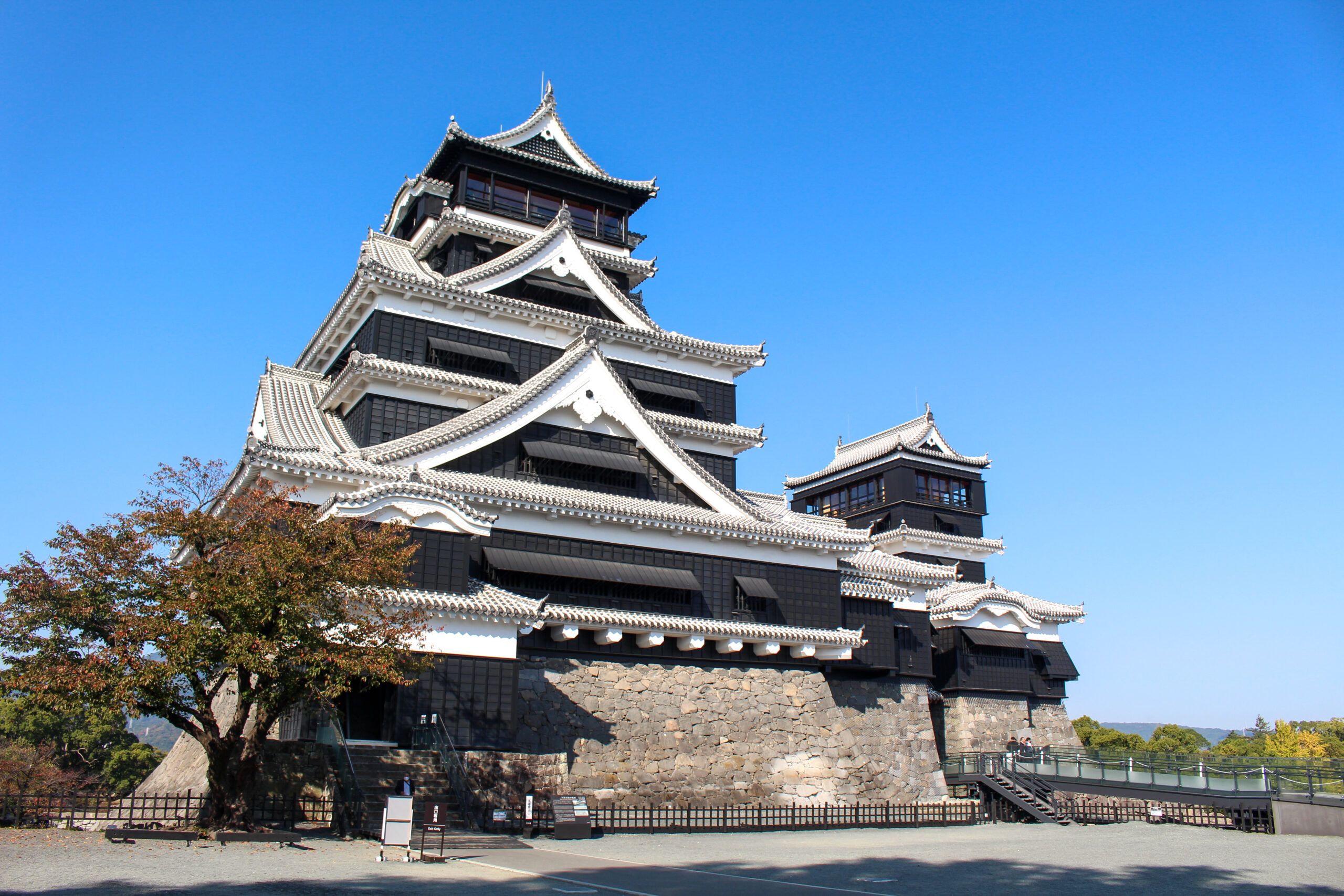
Better with a car. Combine Kumamoto Castle with Aso’s grasslands, volcanic scenery, farms and outdoor experiences. See the Kumamoto guide.
Nagasaki + Sasebo
Nagasaki works particularly well with school-age children, while Huis Ten Bosch gives the trip a completely different theme-park day. See the Nagasaki guide.
Kagoshima + Sakurajima + Kirishima
A volcano directly across the water from the city, a ferry ride, Sengan-en samurai experiences and a Kirishima onsen stay make Kagoshima particularly memorable. Explore Kagoshima.
Beppu + Aso + Takachiho
A rental-car route for families who prefer landscapes and outdoor days to cities. Give it enough time rather than changing hotels every night.
Amami Oshima
Treat Amami as a separate island trip rather than an add-on to mainland Kyushu. Mangroves, subtropical forest and clear water are the point.
Where to go in Kyushu with kids
Best family experiences in Kyushu
These are the experiences I would use to decide whether Kyushu belongs in a Japan itinerary. They are not simply “things to keep children occupied”; most are experiences adults would want to do anyway.
One of the easiest full family days in Kyushu: aquarium first, then playgrounds, open space, seasonal flowers and outdoor time next door.
A full theme-park day with rides, seasonal events and large-scale European-style scenery. Give it a full day rather than trying to add it to central Nagasaki sightseeing.
A strong alternative to another theme park: aquarium, boats and island scenery work together particularly well for school-age children.
Steam, coloured pools and geothermal landscapes make the science of hot springs visible. Follow it with a family bath rather than expecting small children to spend the whole day sightseeing.
One of the biggest reasons to rent a car. Weather and volcanic restrictions matter, so keep the day flexible rather than building a minute-by-minute schedule. Without a car, the ASO BOY! train and Cuddly Dominion near Aso Station are the easy option; see the Kumamoto guide.
A memorable wildlife experience for children who are comfortable on a boat. Check sea conditions, operator age rules and motion-sickness needs before booking.
A spectacular landscape rather than a conventional children’s attraction. Older children generally get more from the walk and boat experience than toddlers. For beaches, Aoshima and the Nichinan Coast, see the Miyazaki guide.
The ferry itself is part of the day. Seeing an active volcano from the city and then crossing the bay toward it makes Sakurajima unusually tangible for children.
A large zoo with family facilities and views that connect the animal experience with Kagoshima’s volcanic landscape.
One of southern Kyushu’s strongest nature experiences for families: calm-water paddling, subtropical vegetation and wildlife rather than a standard sightseeing stop.
Go beyond sightseeing: try bamboo crafts or geothermal steam cooking in Beppu, or make volcanic-ash art and explore samurai experiences in Kagoshima. The detailed guides cover booking options and child participation notes.
For a city-based day, start with Fukuoka’s family experiences, including aquarium and hands-on options. In Nagasaki, children can dress up in retro costumes at Glover Garden or shape their own onigiri in an English-language cooking class.
Which experiences suit your family?
| Experience | Good age | Car? | Time | Rain |
|---|---|---|---|---|
| Marine World + Uminonakamichi | 2+ | No | Full day | Partly suitable |
| Huis Ten Bosch | 3+ | No | Full day | Mixed |
| Kujukushima | 4+ | Helpful | Half/full day | Mixed |
| Beppu | All ages | Optional | 1–2 days | Good |
| Aso | 4+ | Recommended | Full day+ | Poor |
| Amakusa dolphins | 4+ | Helpful | Half day | Weather dependent |
| Takachiho Gorge | 5+ | Recommended | Full day | Poor |
| Sakurajima | 3+ | Not for basic route | Half/full day | Mixed |
| Amami mangroves | 4+ | Usually useful | Half day | Weather dependent |
Train or rental car in Kyushu?
The answer is usually both.
Use trains for the major cities
Fukuoka, Kumamoto, Nagasaki and Kagoshima work well by rail. Avoid paying for a rental car while it sits in a city hotel car park if you do not need it.
Rent a car for rural Kyushu
Aso, Kuju, Takachiho, Kirishima and many countryside experiences become substantially easier when you can control stops and timing yourself.
My preferred family strategy: use public transport while staying in Fukuoka, Nagasaki or Kagoshima City, then collect a rental car only for the rural section of the trip.
This avoids city driving and parking while still giving you flexibility when a child falls asleep, the weather changes or you want to stop somewhere unexpectedly.
Kyushu rail pass, free Shinkansen offer and car rental
Book transport once you know your route. Families who will ride the Shinkansen two or three times usually save with a rail pass; families heading to Aso, Takachiho or Kirishima will want a car for that section.
JR Kyushu Rail Pass
Unlimited JR trains, including the Kyushu Shinkansen between Hakata and Kagoshima-Chuo, for 3, 5 or 7 consecutive days. Seat reservations are included, and the pass covers the sightseeing trains children love, such as Yufuin no Mori, ASO BOY! and Two Stars 4047. A Hakata–Kagoshima round trip alone costs about as much as the 3-day pass.
Prices are for adults, bought online. The pass is for short-term overseas visitors; bring passports when you collect it.
Check JR Kyushu Rail Pass prices on Klook →Free Shinkansen to Kagoshima (Klook campaign)
Kagoshima Prefecture and Klook are covering the equivalent of a one-way Shinkansen fare from Hakata to Kagoshima-Chuo, worth up to ¥11,420 per person. To qualify, you must live in an eligible market, enter Japan via Fukuoka Airport and book at least one night in Kagoshima through Klook’s campaign page.
The campaign can end early if the budget runs out. Read the conditions before booking your hotel.
See if your family qualifies on Klook →Rental car from Fukuoka Airport
Compare major brands at Fukuoka Airport and in the city in one search, with free cancellation on many rates. Pick up the car only for the rural part of your trip, and request child seats when you book; they are required by law for children under 6 in Japan.
Day trips from Fukuoka
Shared day tours from Fukuoka cover Yufuin and Beppu, Mount Aso or Takachiho Gorge in one day without driving. They are long days, so they suit school-age children better than toddlers.
How many days do you need in Kyushu?
Fukuoka + Beppu is the easiest combination. I would not try to cross four prefectures in four days with young children simply because the distances look manageable on a map.
Fukuoka + Kumamoto/Aso or Fukuoka + Kagoshima works well. You get one easy city base followed by either volcano-and-countryside time or southern Kyushu.
Fukuoka → Beppu → Aso/Kumamoto is a strong family route. Add another region only if your children handle longer driving days well.
At this length, you can add Nagasaki, Kagoshima or a slower onsen stay without the whole trip becoming a series of check-ins and check-outs.
Kyushu with a baby or toddler
For babies and toddlers, I would keep the trip simpler than I would for school-age children. Fukuoka, Beppu and Kagoshima City all give you enough to do without requiring long outdoor days.
When choosing an onsen hotel, look for a private bath or family bath rather than assuming a public bath will be convenient with a small child.
A rental car becomes especially valuable outside the cities because it gives you somewhere to store the stroller, spare clothes and other child gear between stops.
I would also avoid changing hotels every night. Two or three nights in one base is usually much easier when naps, early bedtimes and laundry are still part of the daily routine.
Kyushu with school-age kids
This is arguably the easiest age for a broader Kyushu itinerary because the island has so many experiences that are interesting without being explicitly designed for children.
Volcanoes
Aso and Sakurajima turn geology into something physical and memorable.
Nagasaki and castles
Nagasaki and Kumamoto give older children much more historical context than another playground stop.
Crafts and local culture
Pottery, Hakata dolls, dyeing and traditional craft workshops can work particularly well for children who like making things.
Best time to visit Kyushu with kids
One of the easiest seasons for a family road trip. Good for parks, flowers, Aso, cycling and outdoor activities before summer humidity becomes intense.
Excellent for beaches, rafting, water play and island trips, but mainland Kyushu can be very hot and humid. Build indoor or water-based breaks into the middle of the day.
Strong for outdoor family travel once the heat eases. Aso, Kuju, pottery towns and countryside stops become particularly attractive.
One of the best times to build the trip around onsen, food and city sightseeing. Mountain areas can be much colder than visitors expect, so do not treat all of Kyushu as subtropical.
Late summer and early autumn can bring typhoons, while volcanic conditions can occasionally affect access around active areas. Keep rural days flexible and check transport and local attraction updates before long transfers.
What I would not do
I would not plan Kyushu as “one prefecture per day.” The island is large enough that this quickly turns a family holiday into a sequence of car journeys and hotel check-ins.
I would also not rent a car for the entire trip simply because you need one for Aso or Takachiho. Use it where it solves a problem, then return it when you reach a city again.
Finally, do not choose destinations only because they are marketed as child-friendly. One of Kyushu’s biggest advantages is that the genuinely interesting adult experiences — volcanoes, ferries, hot springs, wildlife and food — often work well for children too.
Explore our detailed Kyushu family guides
Choose your region first, then check real activities, hotels, age guidance and booking details in each local guide.
Start with two or three places, not the whole island.
Kyushu works best when the family has time to slow down. Choose the experiences you care about first, then build the transport around them.
Route decided? Lock in your transport: