Japan Tips
Japan Summer with Kids: What to Buy to Beat the Heat (By Age Group)
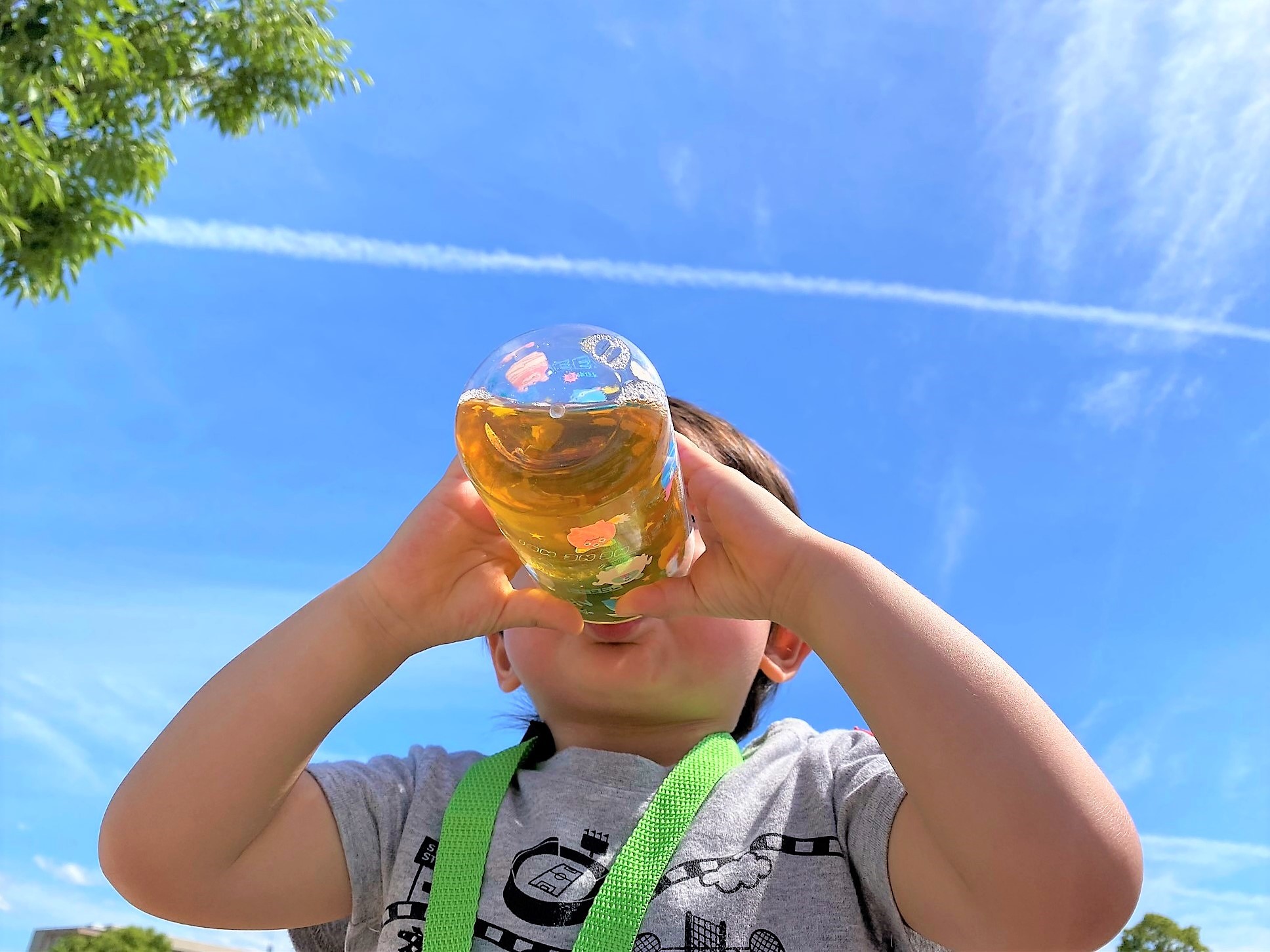
Japan sells some of the world’s best summer products. Here’s what’s actually worth buying, from a local parent who uses these every year.
- Best age: All ages
- When it matters: June through September (peak: July–August)
- Typical temperatures: 33–37°C (91–99°F) with very high humidity
- Where to buy: Akachan Honpo, Nishimatsuya, Don Quijote, UNIQLO, drugstores
- Budget: Most items are ¥300–¥3,000; the big purchase is the Airluv fan for babies (¥5,000–¥8,000)
Japan’s summer surprises a lot of visitors. Temperatures regularly reach 35°C (95°F) with humidity that makes it feel even hotter. For babies and young children, a full day of sightseeing in that heat can become genuinely difficult — and even risky — without the right preparation.
The good news is that Japan has some of the best summer products available anywhere. After many summers sightseeing around Japan with my own kids, here’s exactly what I recommend — by age group, and in order of priority.
Babies (0–1 years)
Why babies need extra care in summer: Babies in strollers sit much closer to the pavement than adults. Pavement surface temperatures in Tokyo can reach 50–60°C in direct sun, making the air around a stroller significantly hotter than the ambient temperature. Whenever possible, avoid going out between 11am and 4pm, take frequent breaks in air-conditioned spaces, and offer milk or water frequently (as appropriate for age).
Other useful products for babies
Replaces your regular liner; keeps the seat surface cooler during direct sun.
Place inside the stroller seat back. Japanese versions are designed to stay cold longer.
Blocks direct sunlight while maintaining airflow. Better than a regular blanket.
Japanese baby sunscreens are fragrance-free and gentle. SPF 50+ recommended.
Easier for babies to drink from while in the stroller. Stock up on formula or breast milk.
Wide brim essential. Look for ones with a chin strap — they stay on during walks.
Toddlers (1–4 years)
Toddlers move constantly and overheat faster than older children. The priority here is keeping them cool enough to stay comfortable, without slowing the day down too much.
Essentials
The single most important item. Protects face and neck from direct sun.
Thin, breathable cotton for the heat. Light colors only.
Wet, wring out, drape around the neck. Reusable throughout the day.
Keep it full of cold water or barley tea. Toddlers need water more frequently than adults.
Japanese versions are gentler and widely available at drugstores.
Reapply every 2 hours, especially after sweating or water play.
Optional (worth having if room in the bag)
- Portable fan — handheld or clip-on; clip-on type attaches to stroller frame (watch position — fan blades can be within reach of curious hands)
- Cooling vest — ice-pack inserts keep the core temperature down; popular at theme parks
- Cooling wipes — quick refresher after walking; Biore and Gatsby are the best brands
Elementary School Kids (5–12 years)
Japanese children walk to school year-round, including during the hottest months. Local parents have developed very practical systems for keeping kids cool, and most of what they use is easy for visitors to pick up.
- Cold drinks — always in hand or in a bag
- Quick-dry clothing — much better than cotton for a full day out
- A way to cool the body quickly — cooling towel, neck cooler, or wipes
What I recommend
Moisture-wicking, dries fast, and keeps kids from feeling damp all day. Available for all ages and sizes at any UNIQLO.
Fill with ice before heading out. Keeps water cold for 6–8 hours. Essential, not optional.
Wet and use to cool the back of the neck instantly. Reusable throughout the day.
Japanese vacuum-insulated versions stay cold for hours. Great for theme parks and outdoor spots.
OS-1 is the Japanese standard for heat exhaustion prevention. Pocari Sweat also works well.
Biore UV cooling wipes are a Japanese summer staple. Provides quick relief after walking.
Nice to have (buy only if your child will actually use it)
- Neck cooler — phase-change gel that wraps around the neck; some kids love them, some refuse
- UV umbrella — extremely common in Japan; older kids often accept this once they feel the difference
- Backpack cooling pad — sits between the back and the bag; helps if your child is carrying a heavy pack
Teenagers
Teenagers generally tolerate the heat better, but they’re also outdoors longer and less likely to ask for breaks. Focus on keeping them hydrated and giving them tools they’ll actually use without feeling self-conscious.
Lightweight and genuinely effective. Once teenagers feel the temperature difference under one, they tend to accept it.
Easy to carry, looks normal, and works. No barrier to using it in public.
More acceptable to teens than younger kids. Popular in Japan across all age groups.
Insulated, 600ml–1L. They’ll drink more if cold water is always within reach.
Counterintuitively cooler than a t-shirt in direct sun. Extremely popular in Japan.
Sweat-resistant formula. Reapply every 2–3 hours.
Parents: Don’t Forget Yourself
After many summers around Japan with my kids, these are the items I don’t skip. You can’t take care of the kids if you’re overheated yourself.
Full Shopping List by Age
If you’re landing in Japan and want to buy everything in one go, here’s the consolidated list.
- Airluv cooling seat
- Cooling stroller liner
- UV stroller cover
- Baby sunscreen
- Sun hat with chin strap
- Straw cup
- Sun hat
- Cooling towel
- Insulated water bottle
- Bug spray
- Sunscreen
- Cooling wipes
- AIRism clothing (UNIQLO)
- Insulated water bottle (large)
- Cooling towel
- Mini ice pack
- Electrolyte tablets
- Cooling body wipes
- Montbell UV umbrella
- Cooling towel
- Neck cooler
- Large hydration bottle
- UV hoodie
- Sports sunscreen
- Montbell UV umbrella
- Cooling body wipes
- Portable ice pack
- AIRism clothing (UNIQLO)
- Cooling mist spray
- Insulated water bottle
Family Compatibility
Practical Tips
- Avoid outdoor sightseeing from 11am to 4pm whenever possible. Visit museums, department stores, and shopping malls during the hottest part of the day.
- Convenience stores are a lifeline. 7-Eleven, FamilyMart, and Lawson are air-conditioned, sell cold drinks, and stock basic cooling supplies. Use them as rest stops throughout the day.
- Don’t wait for thirst. Drink water consistently throughout the day, not just when someone feels thirsty. Thirst is a late signal in high heat.
- Clip-on stroller fans: watch the position. The blades can be within easy reach of curious baby hands. Mount the fan out of arm’s reach or use a guarded fan model.
- Japanese stroller accessories may not fit overseas stroller brands. If you’re bringing your own stroller, check Airluv and cooling liner compatibility before buying.
- Stock up at Loft or Tokyu Hands on day one. Both stores have dedicated summer heat sections with everything on this list in one place.
Traveling with a baby in Tokyo? Read our full guide to Tokyo with a baby for logistics, nursing rooms, and stroller tips. For stroller-specific advice, see do you need a stroller in Tokyo.
Visiting Japan with a baby or young kids?
See our full guides for getting around Tokyo with a stroller, baby-friendly spots, and practical planning tips.