Ueno Zoo with Kids: The Complete Family Guide (2026)
A practical guide for families visiting Ueno Zoo with a baby, a preschooler or school-aged kids — which gate to use, how long to stay, and where to eat.
Last updated: October 15, 2026
This article contains affiliate links. If you book through them, I may earn a small commission at no extra cost to you. I only recommend experiences I’d genuinely suggest to a friend.
- Best age: All ages (0–12)
- Stroller-friendly: Mostly — paved paths, but slopes, some steps and narrow indoor exhibits
- English support: Good — English website, maps and signage
- Entry fee: Adults ¥600 · Kids through elementary school free
- Time needed: 2–5 hours
- Nursing room: Yes — three nursing rooms plus one private nursing pod (mamaro)
- Nearest station: JR Ueno (Park Exit, 5 min) · Nezu, Chiyoda Line (5 min)
Ueno Zoo with kids is one of the easiest half-days you can plan in Tokyo. It’s a short walk from Ueno Station, adult admission is only ¥600, and children through elementary school get in free.
But there’s more to it than buying a ticket. The zoo has two large sections, three entrances, several places to eat, and enough animals to keep a family busy for four or five hours.
You can arrive through the busy Ueno Station area or take a quieter approach from Nezu Station. You can spend the morning with elephants and tigers, start with giraffes and the Children’s Zoo, or just pick a few favorite animals and leave time for something else in Ueno.
This guide will help you decide what works for your family. If this is your first trip, our guide to traveling to Tokyo with a baby covers the basics first.
Ueno Zoo at a Glance
| Opening hours | 9:30 AM–5:00 PM |
|---|---|
| Last admission | 4:00 PM |
| Closed | Mondays (or the next day if Monday is a holiday), December 29–January 1 |
| Adults | ¥600 |
| Elementary school children and younger | Free |
| Junior high students | ¥200; free if living or studying in Tokyo (proof required) |
| Visitors aged 65+ | ¥300 |
| Free admission days | March 20, May 4 and October 1 |
| Recommended visit | 2–5 hours |
| Stroller rental | ¥500/day, cash only |
| Main stations | Ueno and Nezu |
| Best arrival time | Around 9:30–10:00 AM |
The zoo occasionally opens on Mondays, so always check the official calendar before visiting, especially around public holidays.
1. How to Get to Ueno Zoo
Ueno Zoo sits inside Ueno Park, one of Tokyo’s biggest cultural districts. Most visitors arrive at Ueno Station, but the entrance you choose also decides which animals you’ll see first.
From JR Ueno Station: the easiest option for most visitors
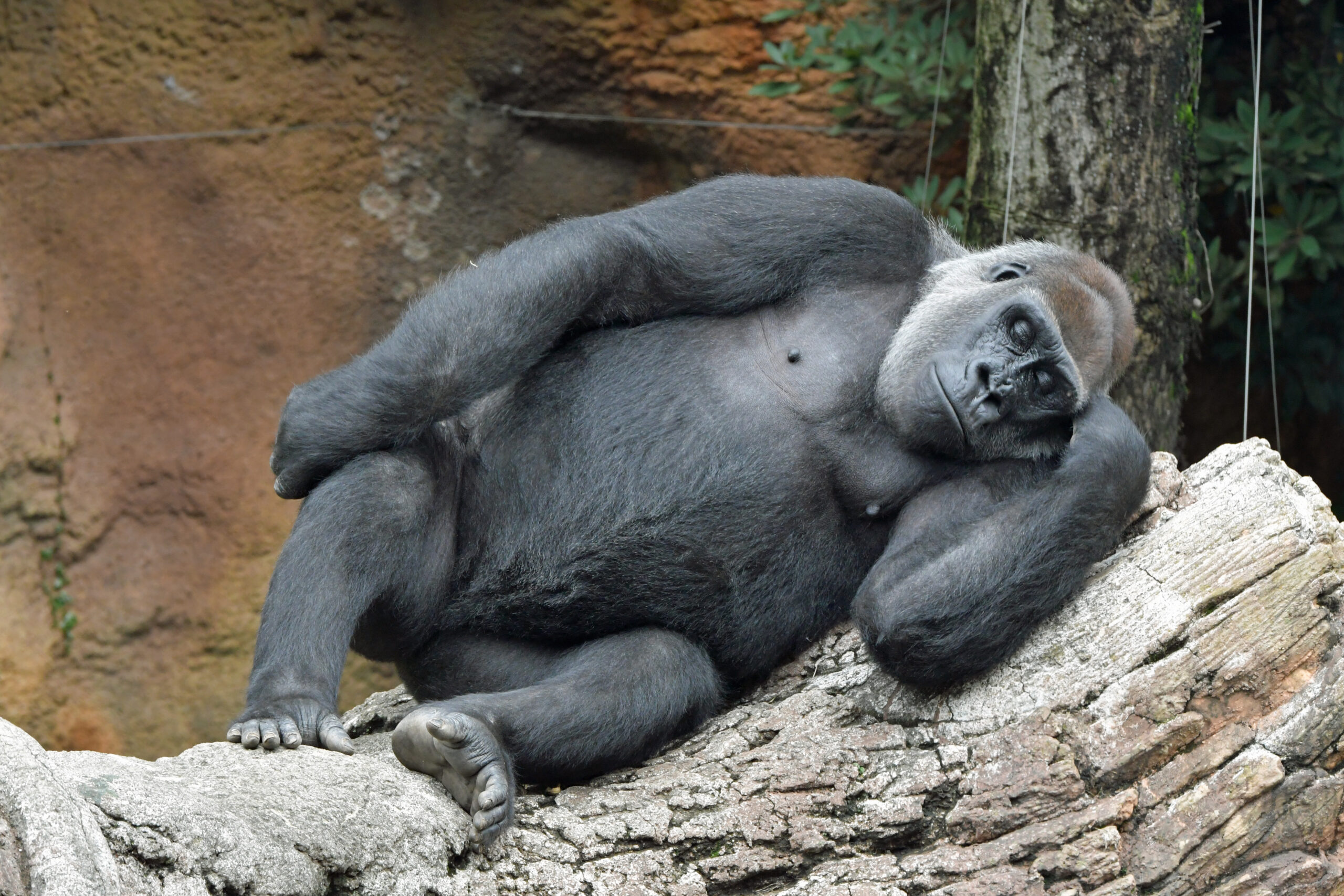
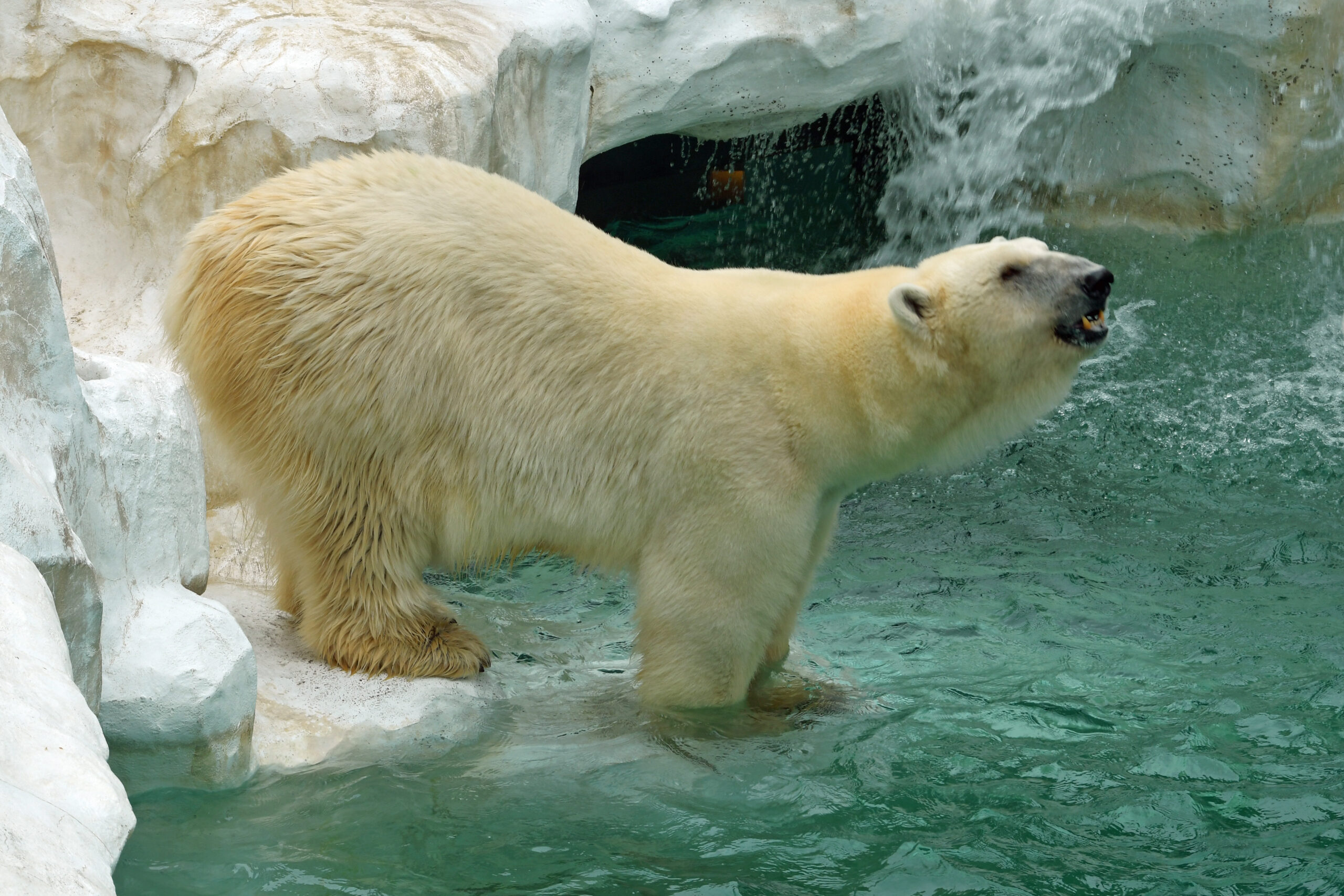
Take the Park Exit (Koen-guchi) at JR Ueno Station. From there it’s about a five-minute walk through Ueno Park to the zoo’s Main Gate, which opens into the East Garden — home to the elephants, gorillas, tigers and polar bears.
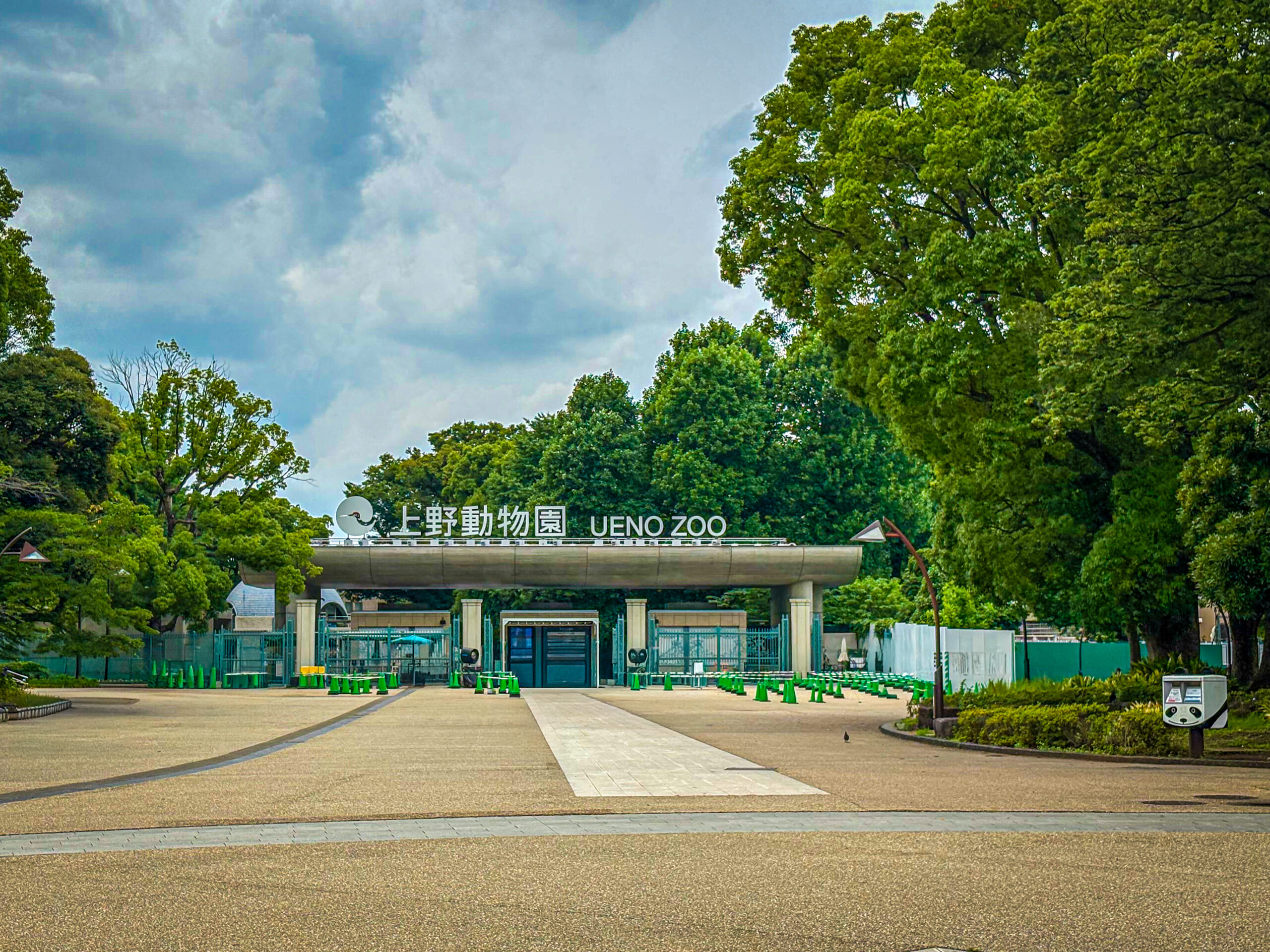
This works well if you’re on the JR Yamanote Line, coming from Tokyo Station, or planning to visit the museums around Ueno Park.
You can also enter through Benten Gate on the West Garden side: about five minutes from JR Ueno’s Shinobazu Exit and four minutes from Keisei Ueno Station.
From Nezu Station: a quieter alternative
Here’s an option many first-timers overlook. Nezu Station on the Tokyo Metro Chiyoda Line is about a five-minute walk from Ikenohata Gate, which opens into the West Garden.
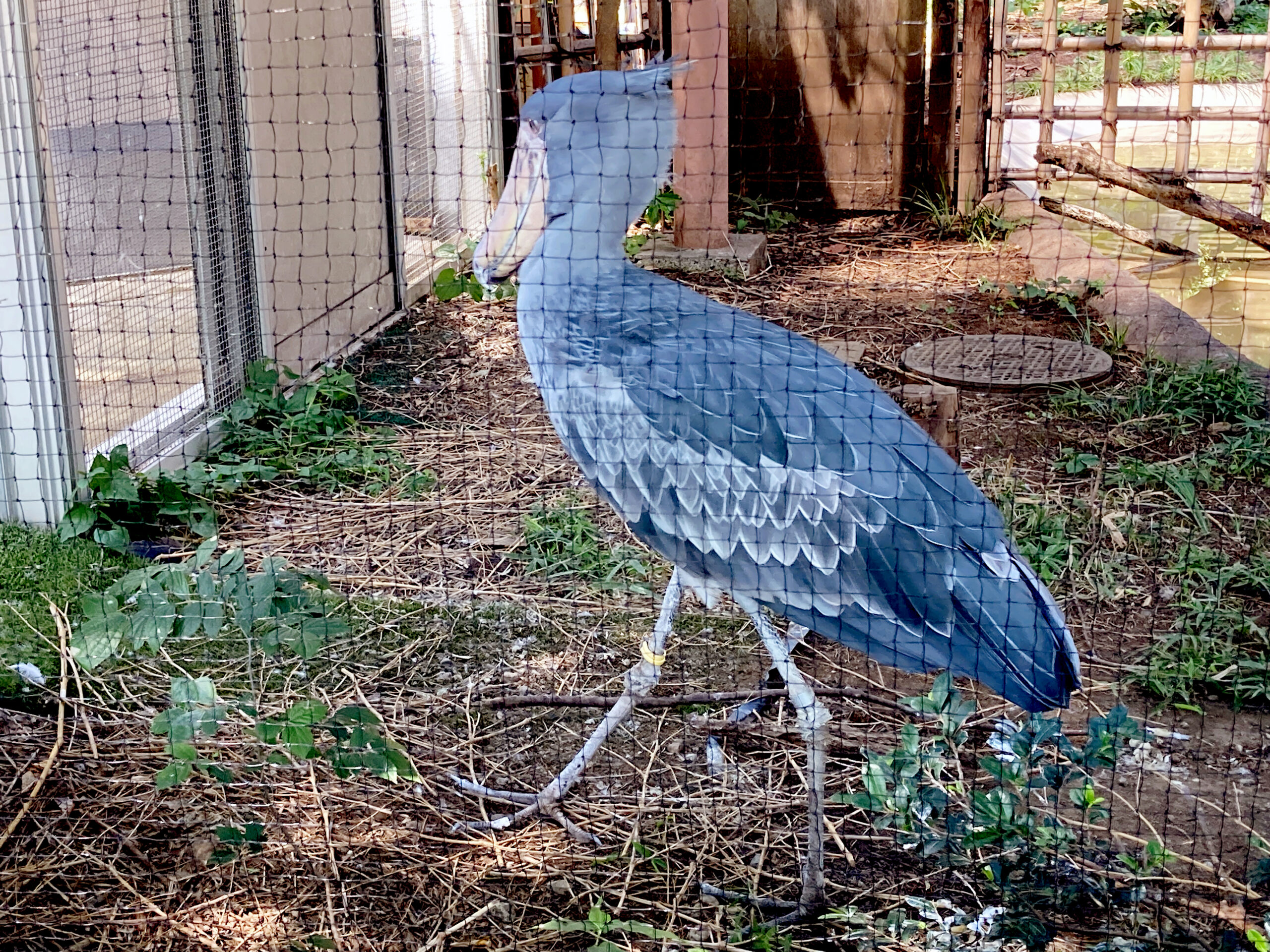
The streets around Nezu are much calmer than the Ueno Station area — useful if you’re pushing a stroller or just want to avoid a crowded station. The West Garden is home to the giraffes, hippos, rhinos, shoebills, the Children’s Zoo and several indoor exhibits.
Which entrance should you use?
| Entrance | Best for |
|---|---|
| Main Gate (East Garden) | Arriving at JR Ueno’s Park Exit; seeing elephants, gorillas and tigers first |
| Benten Gate (West Garden) | Arriving from Keisei Ueno or JR Ueno’s Shinobazu Exit; starting in the West Garden |
| Ikenohata Gate (West Garden) | Arriving via Nezu Station; approaching from a quieter neighborhood |
Family tip: You don’t have to leave through the gate you came in. Start at the Main Gate, explore both gardens, then leave through Benten Gate or Ikenohata Gate instead of walking back uphill.
See Ueno Zoo’s official access map →
2. How to Buy Ueno Zoo Tickets
One of the best things about Ueno Zoo is the price. Adults pay ¥600 and children through elementary school are free — so two adults and two younger kids get in for just ¥1,200.
Option 1: Buy at the gate
Tickets are sold at the Main Gate, Benten Gate and Ikenohata Gate. On quieter days the lines are short and this is the simplest option.
Option 2: Buy an e-ticket online
The zoo sells date-specific e-tickets through its official partner, asoview. You show the QR code on your phone at the gate. Payment is by Visa, Mastercard, JCB or Paidy. This can save time on busy weekends and Japanese school holidays.
Kids who qualify for free admission don’t need a ticket. There’s no need to buy a sightseeing package just to get into the zoo.
Check admission fees and official ticket information →
3. How Long Should You Spend at Ueno Zoo?
The zoo is split into an East Garden (higher up the hill) and a West Garden (down by Shinobazu Pond), linked by a walkway called Isoppu Bridge.
East to West is mostly downhill. Going back the other way means an uphill walk — worth remembering when the kids are tired.
| Time available | What to plan |
|---|---|
| 1–2 hours | One garden and a few favorite animals |
| 2–3 hours | Main highlights with a short break |
| 4–5 hours | Both gardens, lunch, Children’s Zoo and souvenirs |
| Most of the day | A slow visit with activities and longer breaks |
There’s no need to see every animal. Ueno Zoo is more fun when kids have time to really watch the ones they care about.
Save these to your phone before you go. The stroller map shows which paths avoid steps — handy for planning your route.
4. Best Routes Through Ueno Zoo with Kids
Rather than one fixed itinerary, pick a route based on your kids’ ages, your entrance and how much time you have.
Route A: The Full Zoo Experience (4–5 hours)
Best for: School-aged kids and families who want to see most of the zoo.
Start at: Main Gate, from JR Ueno Station.
| Time | Plan |
|---|---|
| 9:30 AM | Enter through the Main Gate and see the elephants |
| 10:00 AM | Birds of prey, then the gorilla and tiger habitats |
| 10:45 AM | Nocturnal House, seals and polar bears |
| 11:30 AM | Early lunch at Saruyama Kitchen or Bird Song |
| 12:15 PM | Cross to the West Garden |
| 12:30 PM | Small Mammal House, hippos, rhinos and giraffes |
| 1:30 PM | Shoebills, the Vivarium or the Children’s Zoo |
| 2:00–2:30 PM | Souvenirs, then leave through a convenient gate |
Treat this as an example, not a schedule. Reptile fans will want more time in the Vivarium; big-animal fans can linger at the gorillas, tigers, giraffes and hippos.
Route B: A Relaxed Visit with Babies and Toddlers (2–3 hours)
Best for: Kids aged 0–2 and younger preschoolers.
Start at: Ikenohata Gate (from Nezu Station) or Benten Gate (from Ueno Station).
Start in the West Garden and focus on a smaller set of animals. Giraffes, penguins and other easy-to-spot animals work well for little ones, and Children’s Zoo STEP is worth a stop even if your child is too young for the scheduled programs.
Take breaks at the West Garden Rest Area or Cafe Chameleon and use the baby rooms whenever you need them. If everyone still has energy, cross to the East Garden for the elephants. If not, it’s completely fine to leave after two hours.
Route C: Morning Highlights (about 2 hours)
Best for: Families combining the zoo with another Ueno attraction.
Enter through the Main Gate at opening and prioritize the elephants, gorillas, tigers and polar bears. Then decide whether to continue to the West Garden or save time for the National Museum of Nature and Science, Ueno Park or a relaxed lunch.
Are animals more active in the morning?
Often, yes — some animals are livelier in cooler parts of the day, and you may catch feeding or enrichment activities. But it varies by species, weather, season and individual animal.
There’s a more practical reason to arrive early: some exhibits close well before 5:00 PM. Gorilla viewing currently ends at 3:45 PM and tiger viewing at 4:20 PM. If your child has a must-see animal, go there first.
5. What to See at Ueno Zoo by Age
These are starting points — your kids’ own interests matter more than their ages.
Babies & Toddlers (0–2) — 1.5–2.5 hours
Focus on big, easy-to-see animals like elephants and giraffes, plus birds that are easy to spot. The West Garden is a convenient base because the Children’s Zoo and baby facilities are nearby. Plan around naps, feeds and diaper changes.
A stroller helps with the longer distances, but a baby carrier is easier in narrow or dark indoor exhibits. Not sure what to bring? See our guide on whether you need a stroller in Tokyo.
Preschoolers (3–5) — 2–3 hours
Kids this age usually love the animals they already know from books: elephants, giraffes, tigers and penguins. Children’s Zoo STEP is a highlight, and on eligible weekdays they can join a short guinea pig program (registration required — see below).
Pick a handful of favorites rather than trying to cover everything.
School-Aged Kids (6–12) — 4–5 hours
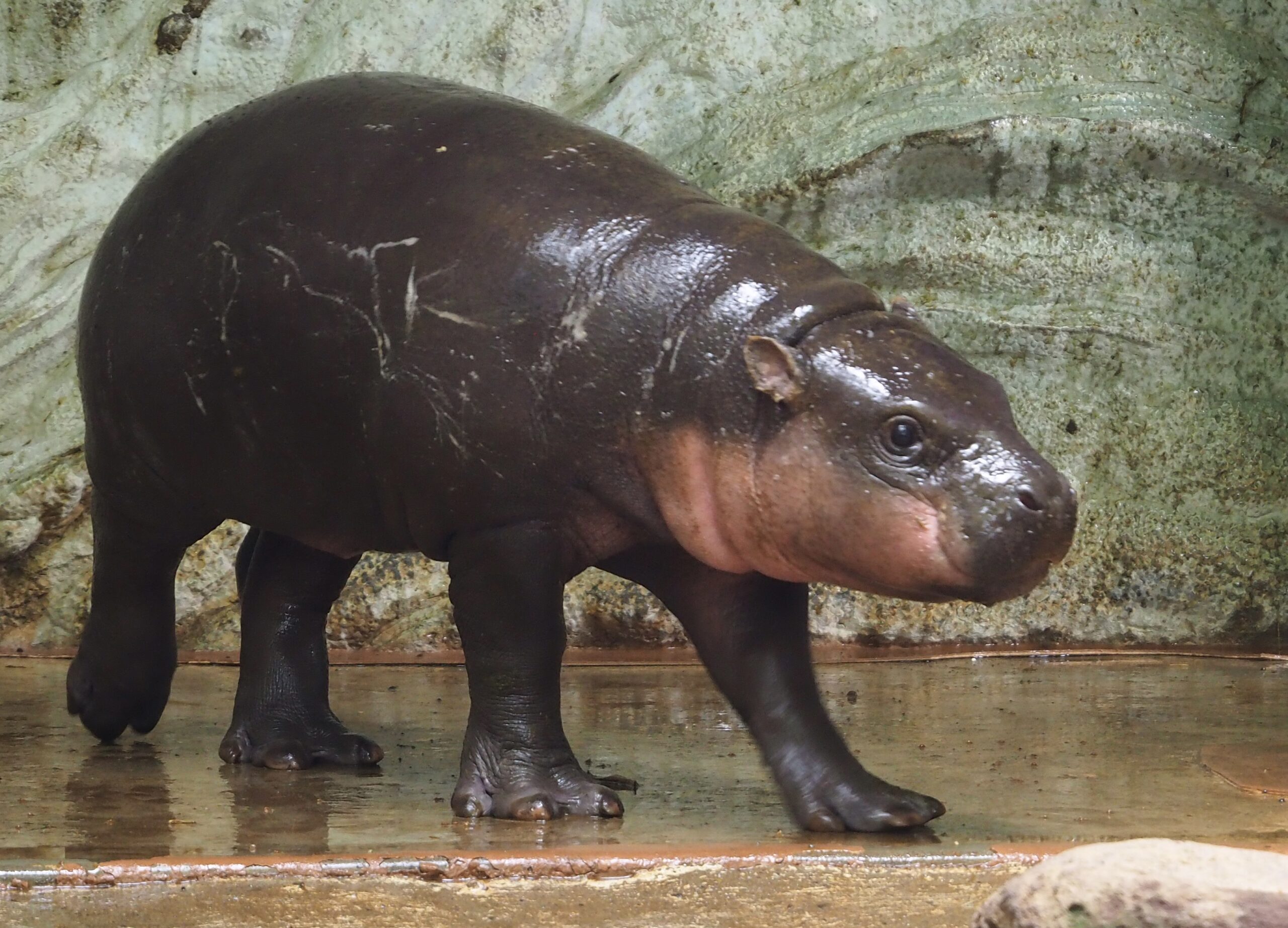
Older kids can handle both gardens and often enjoy hunting for animals in naturalistic enclosures and learning about rare or endangered species. Good picks: the Sumatran tiger, western lowland gorilla, polar bear, pygmy hippo, shoebill and the nocturnal animals.
This is also a great age to meet some of Japan’s native wildlife. Try a simple challenge: each child picks three animals, finds out where they come from, and discovers one surprising fact about each.
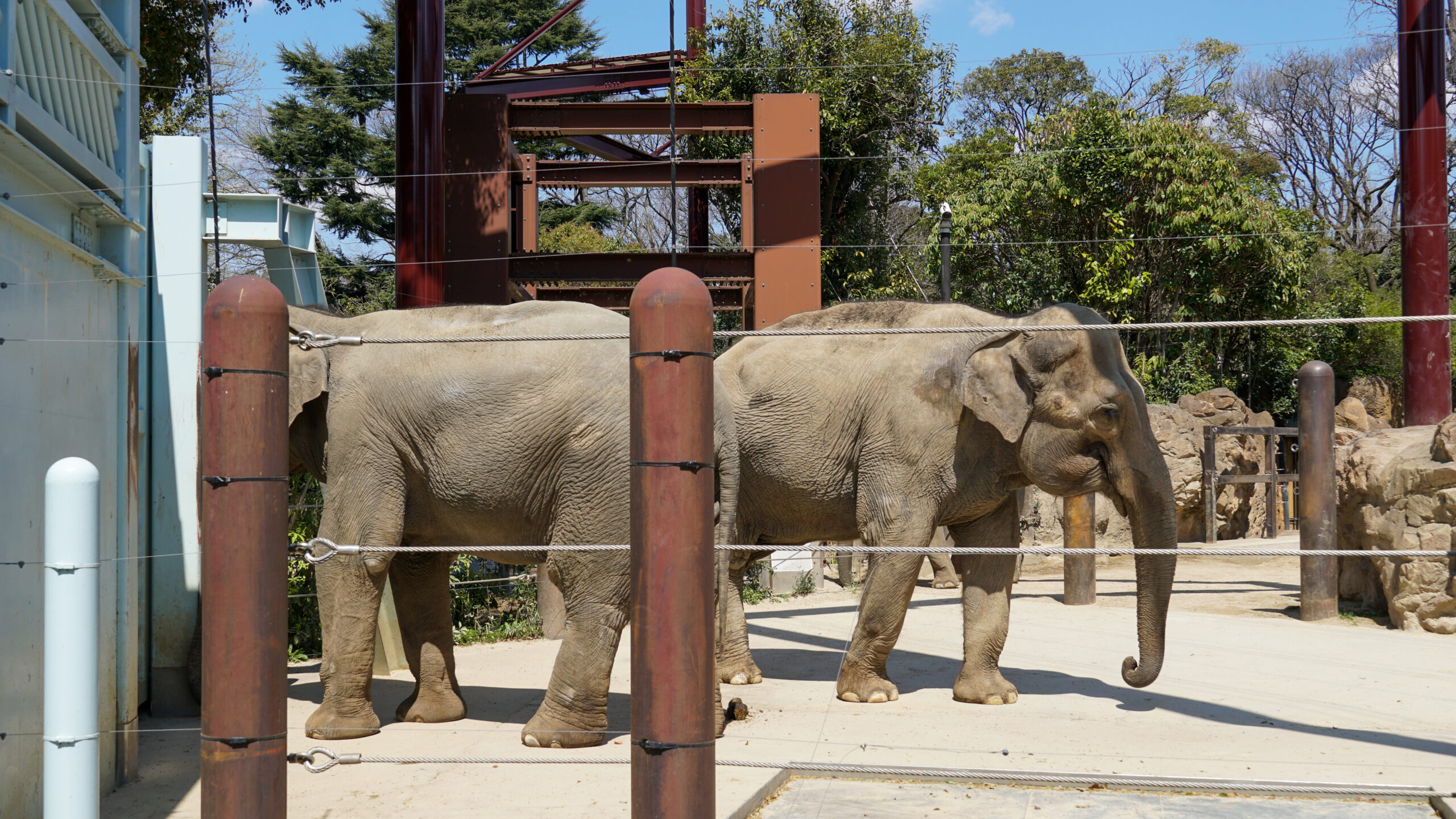
6. Animals You Shouldn’t Miss
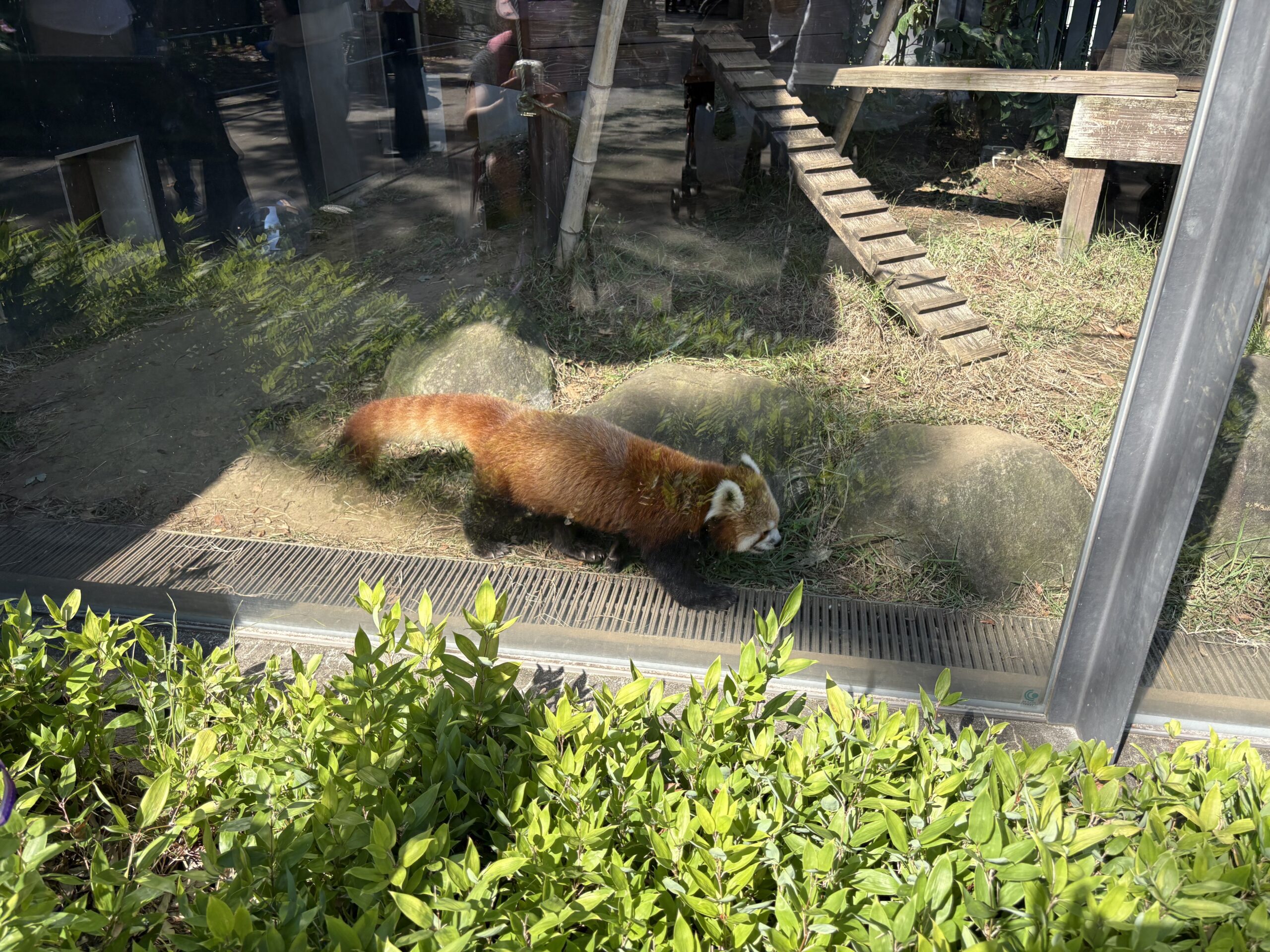
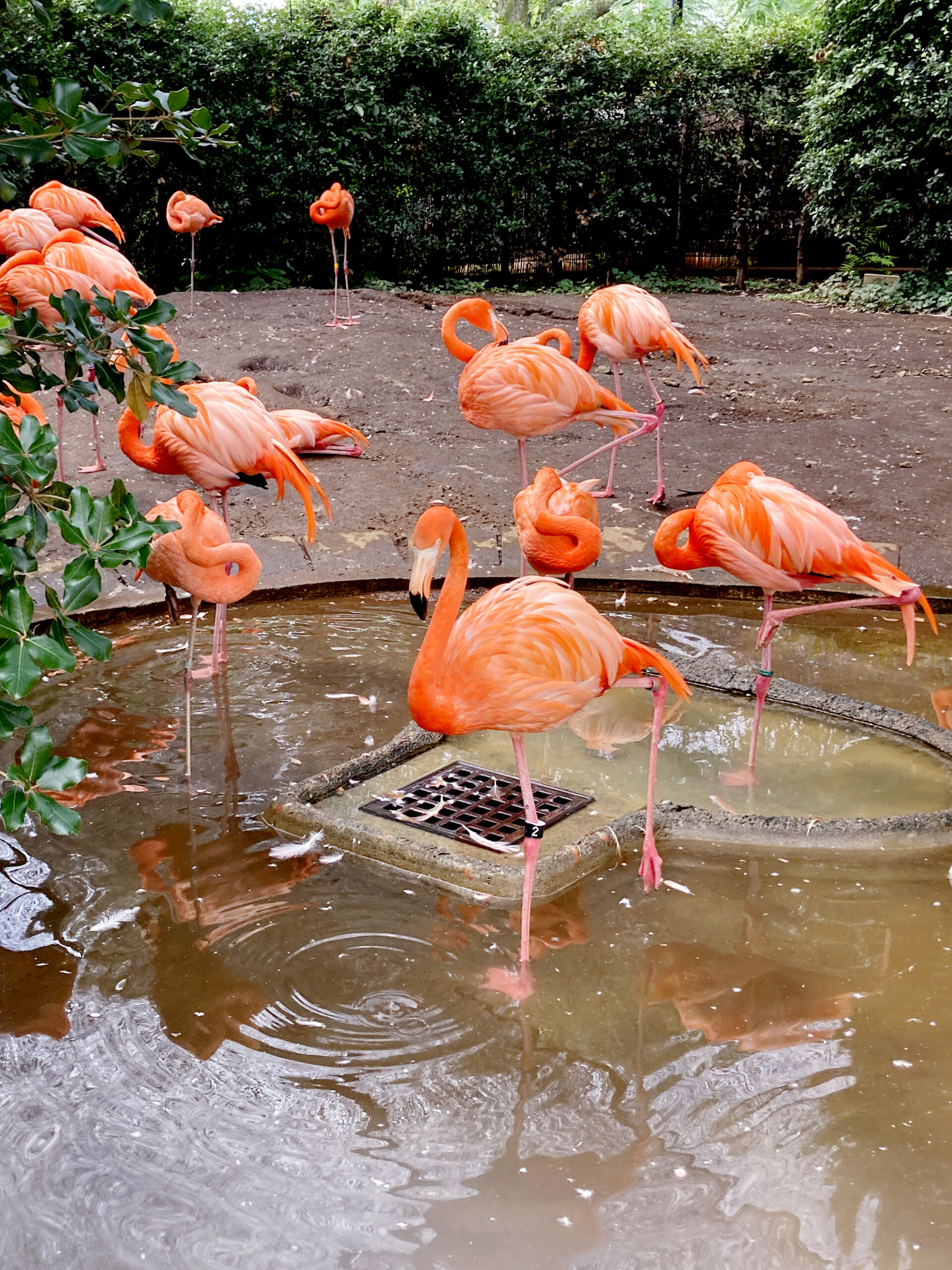
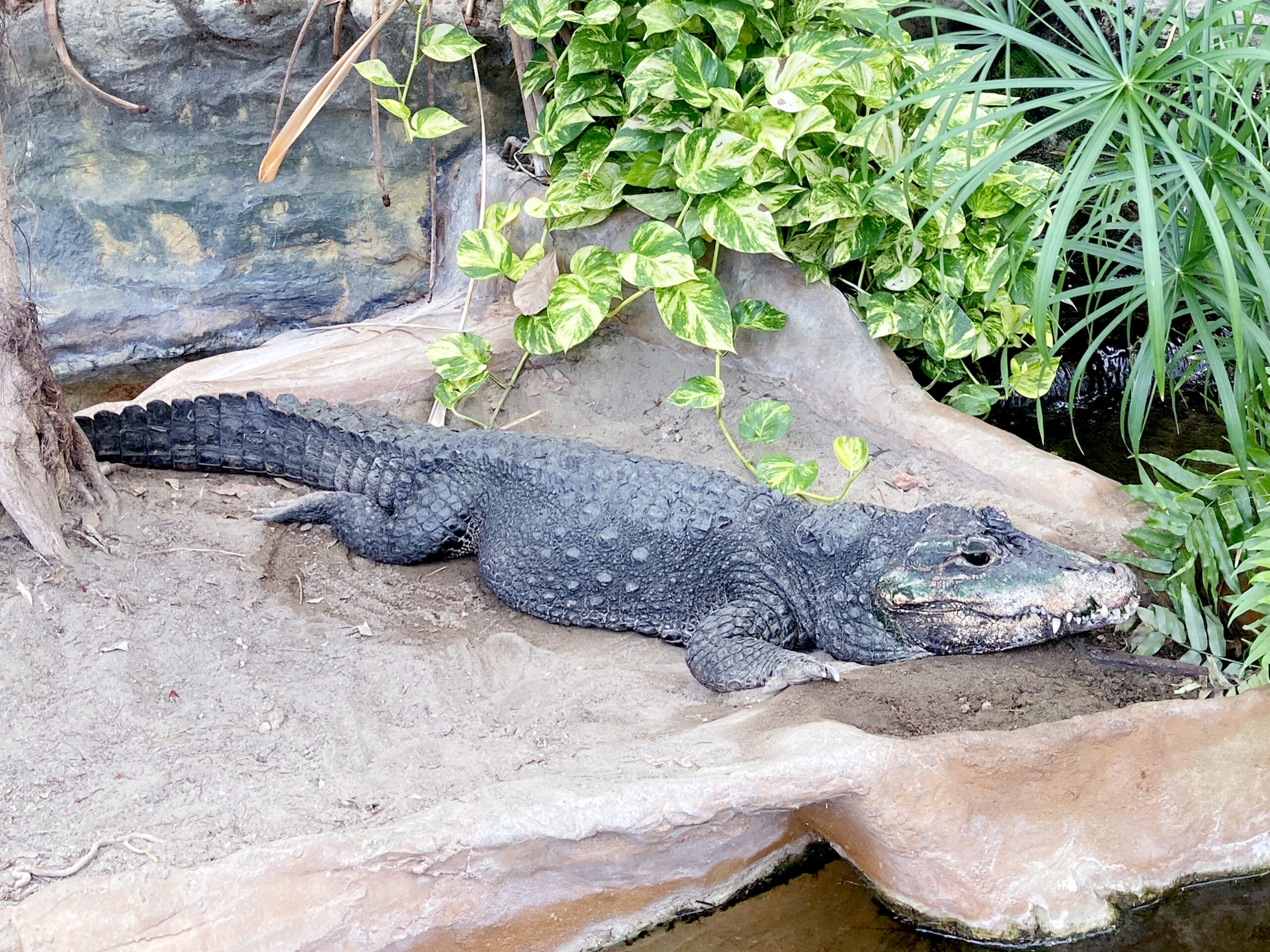
7. Discover Animals Native to Japan
One of the best reasons to visit a zoo abroad is meeting animals from that country. Ueno Zoo has several native species, including:
- Japanese serow — a stocky, goat-like mammal from Japan’s forested mountains
- Rock ptarmigan (Raicho) — a bird closely tied to Japan’s alpine landscapes
- Lidth’s jay (Rurikakesu) — a colorful bird found only on the Amami Islands in southern Japan
- Japanese squirrel — a small woodland mammal native to the Japanese islands
They’re less famous than elephants or tigers, but they’re a nice way to introduce kids to Japan’s nature. Look for the Japanese wildlife and bird exhibits in the East Garden, and check current display information before you go.
8. Children’s Zoo STEP: More Than Just Looking
Children’s Zoo STEP is in the West Garden beside Shinobazu Pond. Kids can learn about animals that have lived alongside people — goats, alpacas and horses — at a gentler pace. There are also indoor learning spaces, which make a good break from walking, and child-sized toilets.
Can kids touch the animals?
Yes, through a scheduled guinea pig program. For the April 2026–March 2027 season:
- Weekdays the zoo is open only (not weekends or holidays; a few extra dates are excluded)
- Sessions at 1:30 PM, 2:00 PM and 2:30 PM, about 20 minutes each
- Online booking opens at 10:00 AM on the day, first come, first served
- 6 groups per session, max 3 people per group — adults and babies count toward the 3
- Designed for ages 3–12; kids in 3rd grade or younger need a parent; babies under 1 can watch but not touch
If this is a priority, book right at 10:00 AM and plan your route around your session time.
Official guinea pig program details and booking (Japanese) →
9. Where to Eat Inside Ueno Zoo
There are four food spots inside, so you don’t need to leave when everyone gets hungry.
| Restaurant | Where | Good for |
|---|---|---|
| Saruyama Kitchen | East Garden, by Monkey Mountain | Indoor two-story restaurant with Japanese-style meals — handy in heat, cold or rain. Has a baby room. |
| Bird Song | East Garden, by the polar bears and seals | Quick light meals, snacks and drinks |
| West Garden Rest Area | West Garden, by the Small Mammal House | Indoor seating; the zoo’s original beef curry; some seats look out over the giraffes, hippos and rhinos. Has a baby room. |
| Cafe Chameleon | West Garden, on Shinobazu Pond | Casual burgers, yakisoba and drinks with a pond-view terrace |
Can you bring your own lunch?
Yes. You can bring food and eat in the rest areas — useful for picky eaters or kids with dietary needs. Saruyama Kitchen, the West Garden Rest Area and the Shinobazu Pond Terrace have covered seating, though seats can’t be reserved.
When to eat
On weekends and Japanese holidays, eat around 11:00–11:30 AM instead of noon. It’s still busy, but finding a table is easier.
Drinking water
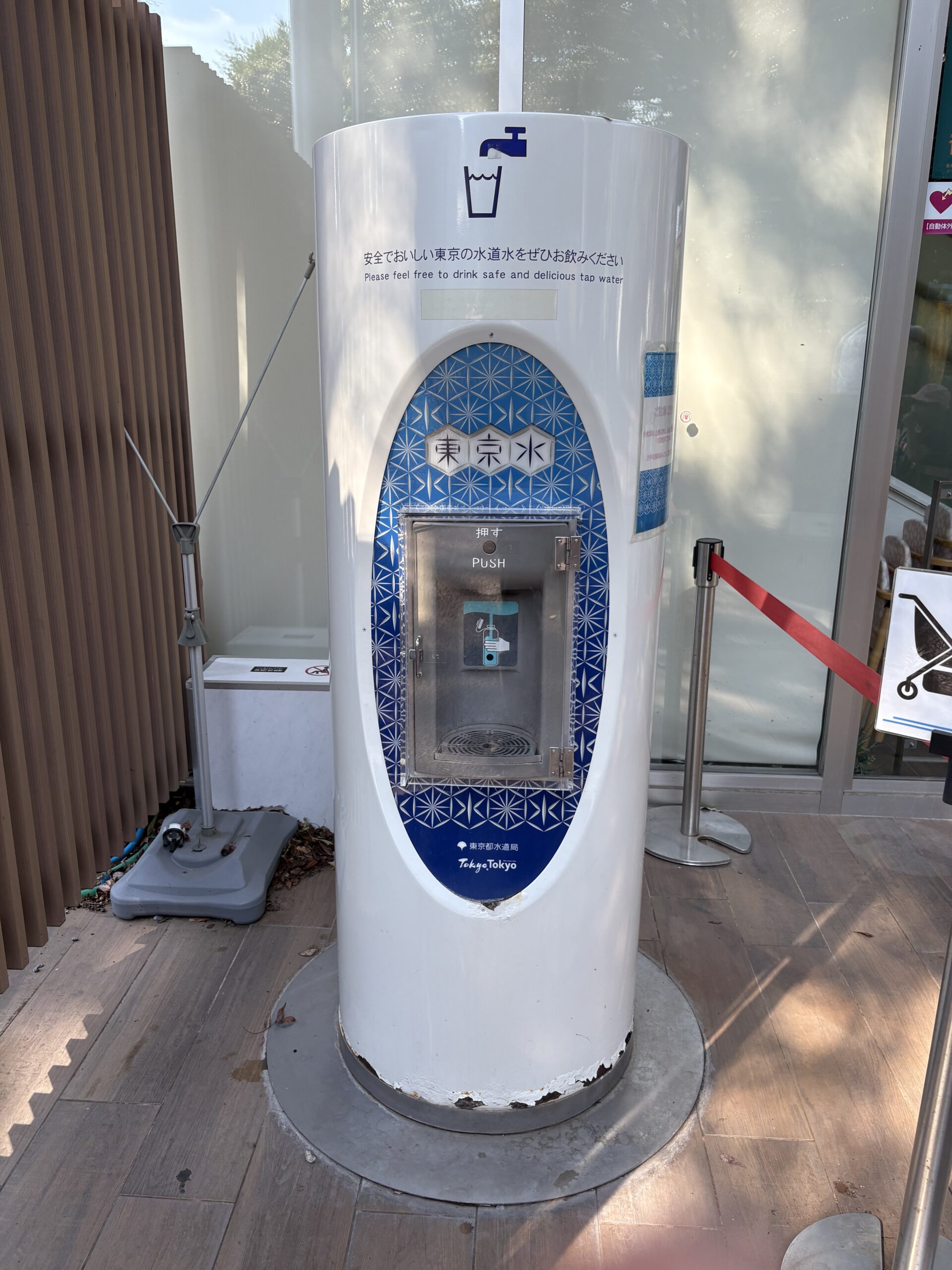
Drinks are sold at food outlets and vending machines, and there are water refill stations — so bring a reusable bottle, especially in Tokyo’s hot, humid summer.
See the official food shop guide →
10. Where to Eat Near Ueno Zoo
Prefer a Japanese meal outside? You can leave and come back the same day — just ask the staff at the exit for a re-entry ticket before you go.
Ramen around Ueno
Ramen is a must in Japan, but not every shop works with small kids — many have narrow entrances, counter-only seating and long lines.
Ippudo Ueno Hirokoji serves Hakata-style tonkotsu ramen and has table seating, making it a reasonable pick if you don’t mind walking toward Okachimachi. If you need a high chair, check with the shop before you go.
Ramen Kamo to Negi is known for duck-based ramen. It’s small and often has a line, so it’s better for families with older kids who don’t mind waiting.
A relaxed cafe in Ueno Park
EVERYONEs CAFE, inside Ueno Park, is an easy sit-down option with sandwiches, curry, pasta and desserts — good when everyone wants something different, and convenient if you’re staying in the park after the zoo.
Udon in Nezu
Leaving via Ikenohata Gate? Nezu Kamachiku serves handmade udon in a historic-style building with a peaceful garden. It’s a slower, sit-down meal, so allow extra time and check availability first.
Something more traditional
Inshotei in Ueno Park serves traditional Japanese cuisine in a beautiful setting. It’s more formal and pricier than the zoo restaurants and not easy with a large stroller, but it can be a memorable meal with older kids.
Want to go deeper into Japanese food?
Ueno is also home to Ameyoko, a lively market street full of snacks and small restaurants. Families with older kids might enjoy a guided food tour. These run around three hours, so treat one as a separate afternoon or evening rather than a quick lunch during your zoo day.
This Ueno food tour on byFood covers sushi, ramen, gyoza and yakitori. Groups are small, but the listing doesn’t state a child policy and some restaurants have stairs — message the operator before booking if you’re bringing kids.
11. Stroller Rental, Nursing Rooms & Toilets
Is the zoo stroller-friendly?
Mostly. Main paths are paved, but there are slopes, some steps and narrow sections. East to West is downhill; coming back is uphill. If you’re using a stroller, check the official accessible-route map before choosing your entrance.
Nursing rooms and formula
There are three nursing rooms plus one private nursing pod (mamaro):
- Saruyama Kitchen baby room — East Garden
- “mamaro” nursing pod — East Garden, in front of the information center (no hot water)
- Benten Gate baby room — West Garden
- West Garden Rest Area baby room — West Garden (dads can use it when no mothers are inside)
Not every space has hot water for formula, so check the location before you need it.
Diaper changing
Changing tables are in several restrooms around the zoo, and Children’s Zoo STEP has child-sized toilets. Save the official toilet map on your phone before you go — it marks changing stations and accessible restrooms.
Official guide to nursing rooms, toilets and stroller rental →
12. Souvenirs at Ueno Zoo
There are two main gift shops: Little Trunk in the East Garden and Petit Chameleon in the West Garden near Shinobazu Pond. Expect stuffed animals, stationery and zoo-themed gifts.
Shoebill and panda goods are especially fun to look for — the pandas may be gone, but they’re still a big part of the zoo’s story. If you’re leaving from the West Garden, shop at Petit Chameleon rather than climbing back up to the East Garden.
13. Important 2026 Updates: Pandas, Monkey Mountain & Shoebills
Exhibits change over time, so older blogs and guidebooks may be out of date.
Are there giant pandas at Ueno Zoo?
No. The zoo’s last two giant pandas, the twins Xiao Xiao and Lei Lei, returned to China on January 27, 2026. As of October 2026, no date has been announced for new pandas.
Is Monkey Mountain open?
No. Monkey Mountain, home to the Japanese macaques, has been closed to visitors since November 19, 2024, and the path near it has been closed since May 13, 2025. No reopening date has been announced.
What about the shoebills?
In September 2026, the zoo announced that two of its four shoebills will move to a non-public breeding area as a step toward breeding them. The move is now expected in late October 2026. The two females, Asante and Sana, are set to stay on display in the West Garden, though this may change depending on the birds’ condition.
Other closures
Some animals have earlier viewing cut-offs, and exhibits can close temporarily for animal care, construction or weather. If your child has a must-see animal, check the zoo’s current notices before you go.
Official exhibit closures and viewing times →
14. What Else Can You Do Around Ueno Zoo?
Ueno has enough for more than one day. If the kids still have energy, try these. For more ideas across the city, see our list of the best baby-friendly spots in Tokyo.
Family Compatibility
15. Frequently Asked Questions
Is Ueno Zoo worth visiting without pandas?
Yes. There are still elephants, tigers, gorillas, polar bears, pygmy hippos, shoebills and much more.
Is Ueno Zoo good for a two-year-old?
Yes. There are rental strollers, baby rooms, changing tables and plenty of animals young kids enjoy. Two hours with breaks is often enough.
Can I see the whole zoo in two hours?
You can see the highlights, but two hours is short for both gardens with kids. Allow four to five hours for a relaxed visit with lunch.
Should I go from Ueno or Nezu Station?
Ueno is easiest for most visitors. Nezu is a good alternative if you’re on the Chiyoda Line or want to start in the West Garden — but on weekdays there’s no stroller rental at Ikenohata Gate.
Can I bring food and drinks?
Yes. You can bring your own food and use the rest areas. Water refill stations and drinks for sale are also available.
Can I leave and come back the same day?
Yes. Ask the staff at the exit for a re-entry ticket before you leave.
Is Ueno Zoo good on a rainy day?
Light rain is manageable, but most of the zoo is outdoors. The Small Mammal House, Vivarium and other indoor spots give shelter. In heavy rain, the National Museum of Nature and Science next door is a better bet.
Can kids feed the animals?
No, visitors can’t feed the animals. The supervised guinea pig program at Children’s Zoo STEP is the main hands-on experience.
Is there a shuttle between the East and West Gardens?
A shuttle may be available for visitors who have difficulty walking. It isn’t a general sightseeing shuttle and service can change, so check the official accessibility information if your family needs it.
Practical Tips
- Arrive at 9:30 AM and visit must-see animals first — gorilla viewing ends at 3:45 PM.
- Start at the Main Gate and leave from the West Garden to walk downhill, not up.
- Bring cash for stroller rental — it’s ¥500 and cash only.
- Weekday visit from Nezu? Bring your own stroller; Ikenohata Gate rents on weekends and holidays only.
- Want the guinea pig program? Book online at exactly 10:00 AM on the day.
- Eat lunch by 11:30 AM on weekends and carry a refillable water bottle.
Final Tips for Visiting Ueno Zoo with Kids
Ueno Zoo is affordable, easy to reach and genuinely fun for families. Arrive in the morning, choose your entrance based on your station, and think about where you’ll leave rather than heading back to the Main Gate by default.
With little ones, focus on a few favorites and take lots of breaks. With school-aged kids, give yourself four to five hours to explore both gardens and meet some of Japan’s own wildlife.
Bring comfortable shoes, a water bottle and a bit of flexibility. You don’t need to see everything — often the best moment is just watching your child discover an animal they’ve never seen before.
Planning more of Tokyo with little ones?
Find more parks, play areas and easy days out, or get the full picture on traveling Tokyo with a baby.