Fukuoka with kids: Best Things to Do, Day Trips & Family Tips
Fukuoka is one of Japan’s easier big cities to visit with children: the airport is close to the centre, family attractions are simple to reach, and you can fit in ramen, a shrine and a day by the sea without long travel days.

This article contains affiliate links. If you book through them, Japan Kids Travel may earn a small commission at no extra cost to you.
- Best for: Babies, toddlers, school-age children and tweens
- How long: Two to three days, longer if you add Yanagawa or more of Kyushu
- Best full family day: Marine World + Uminonakamichi Seaside Park
- Best Japanese experiences: Hakata ramen, Hakata doll painting, Dazaifu, Yanagawa canal boats
- Best with toddlers: Anpanman Museum, Marine World, Ohori Park and Dazaifu Amusement Park
- Best with school-age kids: KidZania, Fukuoka City Science Museum and teamLab Forest
- Best rainy-day options: Marine World, KidZania, Science Museum, Anpanman Museum
- Best base: Hakata for transport, Tenjin for restaurants and shopping
- Car needed? No, not for the places in this guide
Fukuoka does not need to be planned like Tokyo. Distances are shorter, the airport-to-city journey is unusually easy, and some of the best family days happen when you leave central Hakata and spend several hours in one place.
It is also the home of Hakata tonkotsu ramen and a gateway to Kyushu’s traditional culture. In one short trip, children can watch dolphins, paint a traditional Hakata doll, ride a wooden boat through old canals and still have plenty of time simply to play.
The strongest family plans here fall into three groups: an easy city day, a full day around Uminonakamichi, and a traditional Japan day in Dazaifu or Yanagawa.
Give yourself one day in central Fukuoka (ramen, Hakata and one child-led attraction), one day for Marine World and Uminonakamichi, and one day for Dazaifu or Yanagawa. That is a much better use of three days than trying to collect every family attraction in the prefecture.
- At a glance: all attractions
- Marine World + Uminonakamichi
- Anpanman Museum
- KidZania Fukuoka
- Science Museum
- Ohori Park
- Fukuoka Zoo
- teamLab Forest / BOSS E-ZO
- Nokonoshima
- Hakata doll painting
- Aikuru
- Canal City Hakata
- Day trips: Dazaifu and Yanagawa
- Hakata ramen with kids
- Rainy-day ideas
- 1, 2 and 3-day itineraries
- Souvenir shopping
- Where to stay
- Getting around
- FAQ
Why Fukuoka works well for families
From the domestic terminal, the subway reaches Hakata Station in around five minutes, so arrival and departure days do not automatically disappear into transport.
Hakata, Tenjin, Momochi, Uminonakamichi and Dazaifu each work as separate family zones rather than requiring constant backtracking.
Hakata ramen, a shrine visit or a craft workshop can fit around a family day without becoming the whole plan.
Ohori Park, Uminonakamichi and Nokonoshima make it easy to build a day that is not entirely museums, shops and queues.
What works best by age
Best things to do in Fukuoka with kids at a glance
| Place | Best age | Allow | Rain | Why go |
|---|---|---|---|---|
| Marine World | All ages | 2–4 hrs | Excellent | Best destination aquarium |
| Uminonakamichi Seaside Park | 2–12 | Half day+ | Poor | Space, play, cycling and animals |
| Anpanman Museum | 1–5 | 2–4 hrs | Excellent | Strong toddler choice |
| KidZania Fukuoka | 3–15 | Half/full session | Excellent | Hands-on job experiences |
| Fukuoka City Science Museum | 5–12 | 2–3 hrs | Excellent | Science + planetarium |
| Ohori Park | All ages | 1–3 hrs | Poor | Easy outdoor reset |
| Fukuoka Zoo | 2–10 | 3–5 hrs | Poor | Low-cost outdoor day |
| BOSS E-ZO / teamLab Forest | 6+ | 1–3 hrs | Good | Digital art, games and older-kid activities |
| Nokonoshima | 3+ | Half/full day | Poor | Ferry + nature + play |
| Hakata doll painting | School age | About 90 min | Excellent | A souvenir children make themselves |
| Dazaifu | All ages | Half/full day | Mixed | Culture without a long journey |
| Yanagawa canal boats | All ages* | Half/full day | Poor | Traditional boat ride through old canals |
Ages are editorial suggestions rather than official admission rules. *Boat operators and tours set their own rules for infants, so check before booking.
1. Make Uminonakamichi a full family day
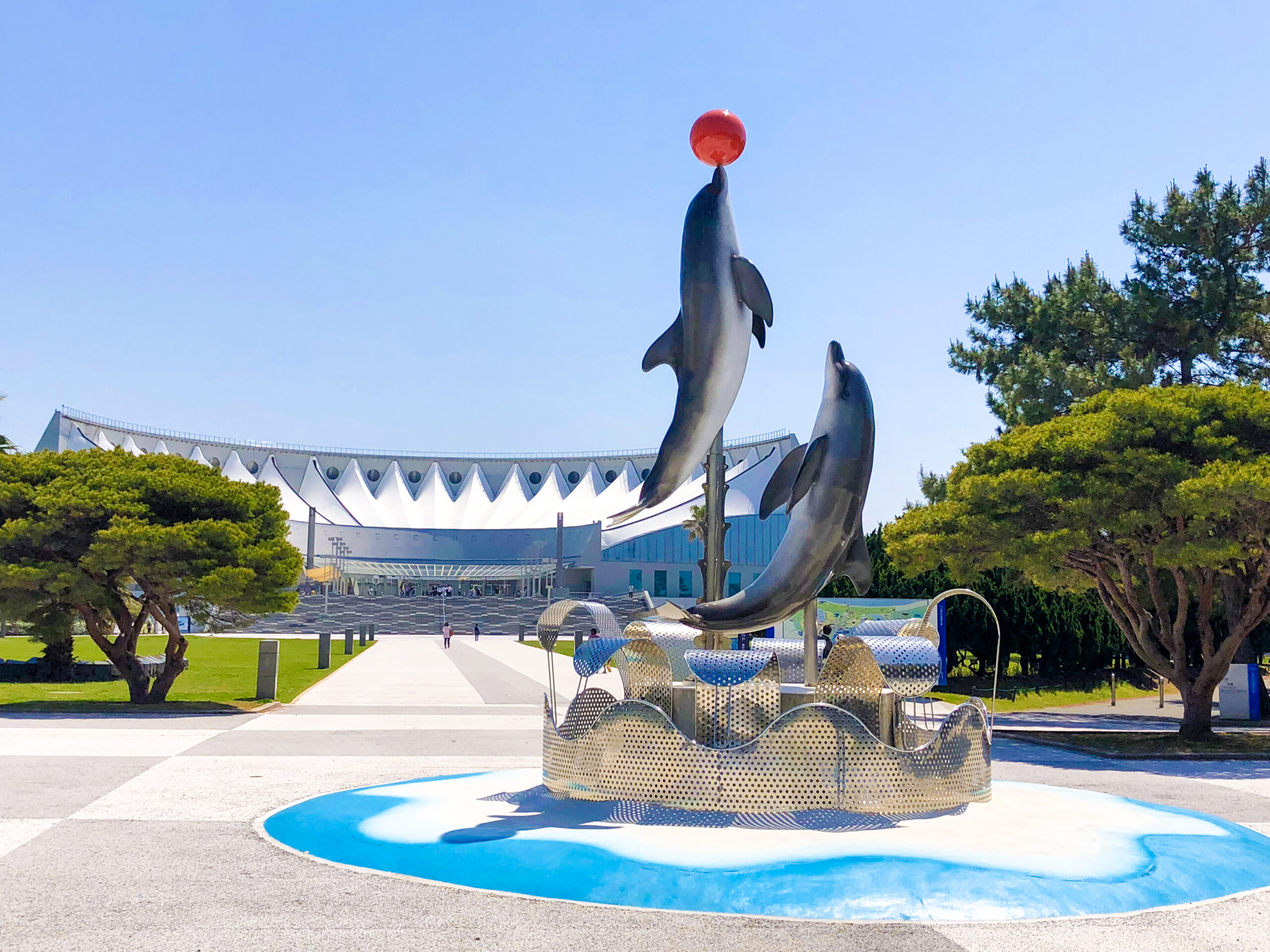
Marine World Uminonakamichi
Marine World is one of the strongest family attractions in Fukuoka because it works for almost every age. Babies can watch large moving tanks, preschoolers have obvious animals to follow, and older children can spend more time on the exhibits and shows.
The aquarium focuses on marine life around Kyushu and includes large tanks, dolphins, sea lions and penguins. It is substantial enough to justify the journey on its own, and it works as a rainy-day destination even if you skip the park.
The better plan, though, is to think of the whole area as a family day. Uminonakamichi Seaside Park is next door, so good weather gives you the option of moving outdoors rather than immediately returning to central Fukuoka.
The park is enormous. Families can find playgrounds, cycling, seasonal flowers, open lawns, animal areas and plenty of space for children who have spent the morning being told not to touch aquarium glass.
For young children, choose one or two playground areas rather than trying to cross the whole park. For school-age children, renting bicycles can make the scale much easier to manage. Check child-seat availability if you need one.
Bring water, snacks and sun protection in warm weather, and plan a shorter visit if you have already spent several hours at Marine World.
2. Fukuoka Anpanman Children’s Museum for preschoolers
Fukuoka Anpanman Children’s Museum in Mall
Anpanman is one of Japan’s best-known children’s characters. If your child already knows him, this can be one of the easiest choices in Fukuoka. The museum is built around character play, shows, greetings, food and shops rather than traditional museum exhibits.
It is especially useful with preschoolers because it is indoors and directly connected to Nakasu-Kawabata Station. That makes the entire outing much easier in rain or summer heat.
Anpanman is less familiar to many international visitors. If your child has never seen the character, Marine World or the zoo may be a better use of the day.
3. KidZania Fukuoka for kids who want to do something

KidZania Fukuoka
Photo: Klook
KidZania is a miniature city where children take the lead. They choose from dozens of jobs and services, wear uniforms and use realistic equipment, while parents watch from outside the activity spaces.
Good news for English-speaking families: While regular KidZania activities are mainly conducted in Japanese, KidZania Fukuoka also offers English-language programmes. Its English Activities Program includes five consecutive activities guided by English-speaking staff, with no Japanese ability required.
Places are limited, and programme availability and booking conditions differ from standard admission. Check the official English programme before booking a regular ticket. KidZania Fukuoka English Activities Program
KidZania sits inside LaLaport Fukuoka, so food, shopping and indoor facilities are in the same complex. Popular jobs fill quickly, so arriving at opening time helps.
4. Fukuoka City Science Museum for a rainy or hot day
Fukuoka City Science Museum
This is one of the easiest indoor recommendations for elementary-school children. The museum covers subjects including space, life and the environment, with exhibits designed to be touched and explored rather than only read.
The planetarium is a useful addition if your child is interested in space, but programmes may be mainly in Japanese, so check the content before buying tickets. If the weather improves, Ohori Park is close enough to add afterwards.
5. Ohori Park when the family needs less sightseeing
Ohori Park
Ohori Park is close enough to central Fukuoka that you can use it for a morning, an afternoon or simply as a break between more structured activities.
The large pond, walking paths, playground areas and cafés make it particularly useful with younger children who have already spent several days inside attractions. Keep a close eye on small children near the water.
There is no need to plan an entire Fukuoka day around the park. Its value is that you do not have to.
6. Fukuoka City Zoo and Botanical Garden
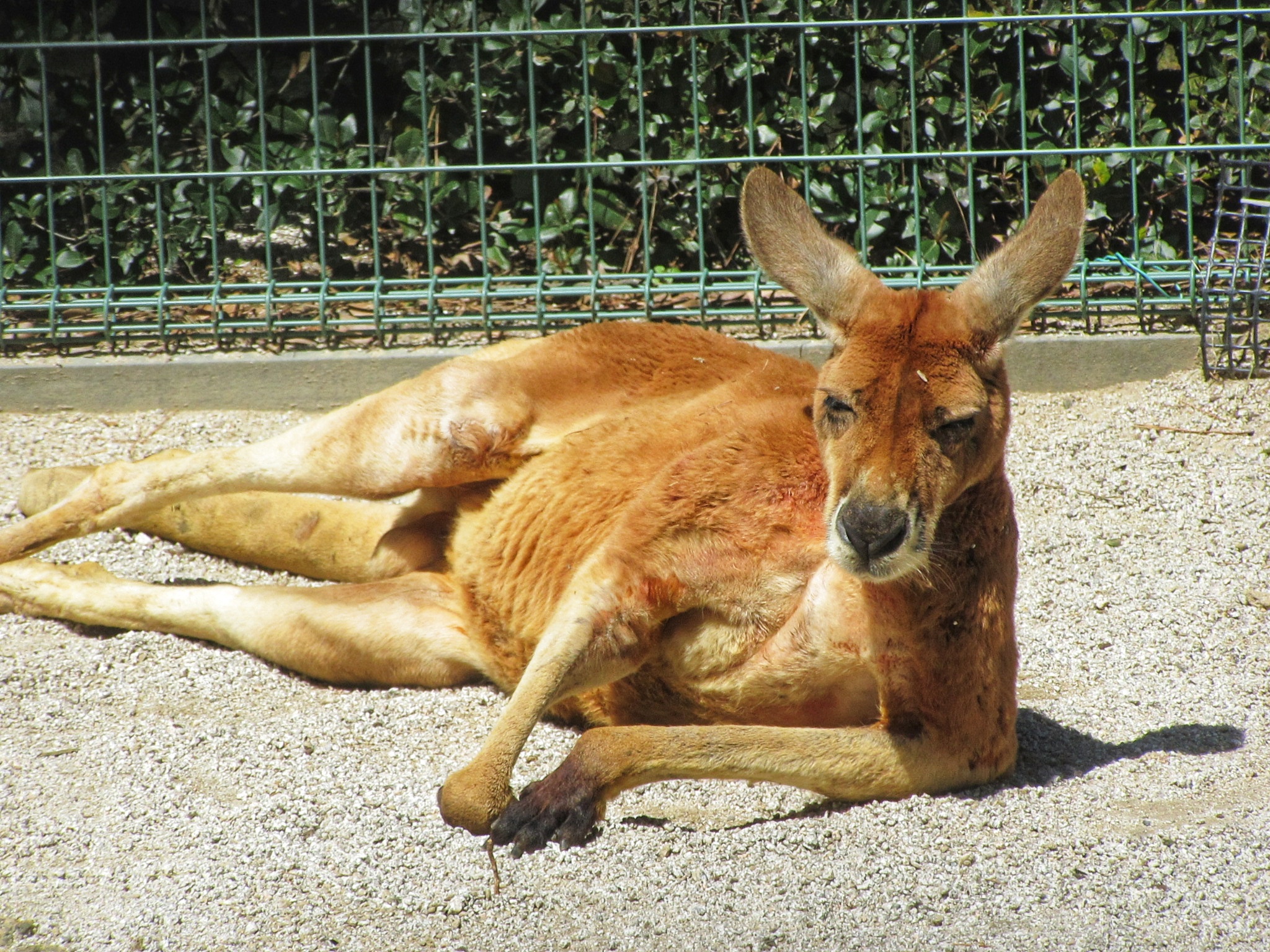
Fukuoka City Zoo and Botanical Garden
The zoo and botanical garden work well when children need a conventional family day rather than another cultural attraction.
The site includes around 100 animal species, a large botanical collection and a small amusement area. A free slope car connects the zoo and botanical garden across the hilly site.
Children of junior-high-school age and younger can enter the main zoo for free, which makes this one of the better-value family outings in the city.
7. teamLab Forest and BOSS E-ZO FUKUOKA for older children

BOSS E-ZO FUKUOKA
Photo: Klook
Next to the baseball dome in Momochi, BOSS E-ZO brings several attractions together in one building, including teamLab Forest, virtual activities and baseball-related experiences.
teamLab Forest is the best-known part: an immersive digital art space where children climb, balance and “catch” projected animals with a smartphone app. Download the teamLab app before you go so the catching section works straight away.
The attractions have different age, height, stroller and ticket rules, so choose the specific experience before travelling rather than treating the building as one single admission attraction.
8. Take the ferry to Nokonoshima
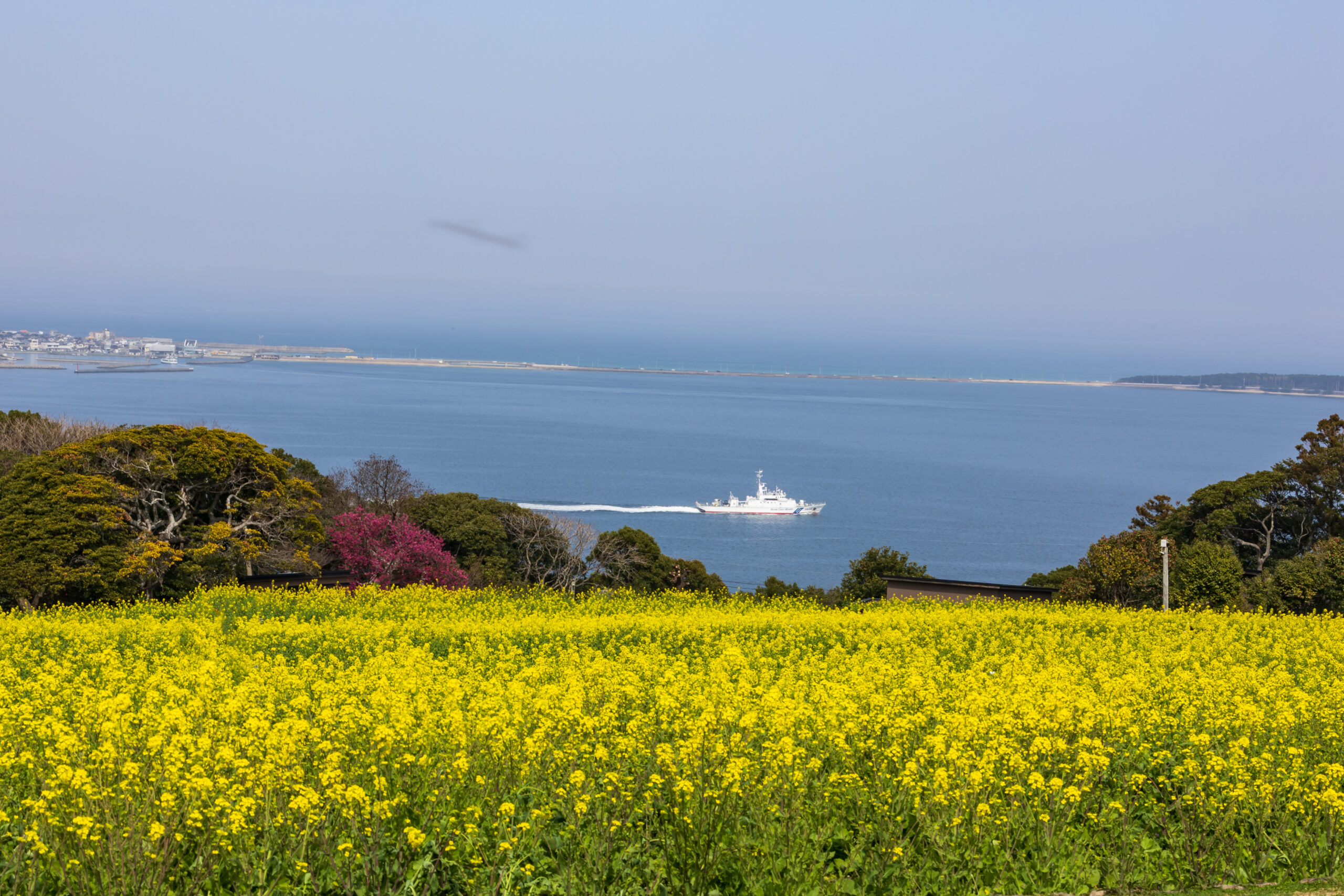
Nokonoshima Island Park
Nokonoshima feels more like a trip than a normal city attraction, even though the ferry crossing itself is short.
The island park is known for seasonal flowers, but families also have playgrounds, athletic equipment, a small animal area and hands-on activities such as pottery and painting.
This is a better choice on a pleasant day when the journey itself is part of the fun. Check the ferry timetable, allow time between the ferry terminal and the island park, and do not use it as a last-minute rainy-day backup. On a two-day trip it is optional; it fits better into a longer stay.
9. Paint a traditional Hakata doll

Hakata Doll Painting at Shogetsudo
Photo: Klook
Hakata dolls are a clay craft associated with Fukuoka for around 400 years. In a painting workshop, children decorate a small unglazed doll with their own colours and designs.
Unlike buying a souvenir in a shop, they leave with something they made and can remember. It is also a practical indoor activity on a wet afternoon in central Fukuoka.
The bookable workshops below are held at Hakata Doll Hall Shogetsudo near Nakasu-Kawabata and last around 90 minutes. The teacher explains in Japanese, but the Klook listing says English instructions are provided for the painting itself. Younger children may still need a parent beside them to follow along.
10. Aikuru: a useful free indoor backup in Tenjin
Fukuoka City Central Children’s Hall Aikuru
Aikuru is a city-run children’s facility in central Fukuoka with play and learning spaces for younger children and school-age kids.
It is particularly useful for travelling families because admission is free, it is close to Tenjin and it has practical facilities including nursing and diaper-changing space.
This is the kind of place to remember when it starts raining, your child needs to move, or the carefully planned attraction has stopped being a good idea. Check visitor eligibility and age-specific areas before going.
11. Canal City Hakata: useful, but not the reason to visit Fukuoka
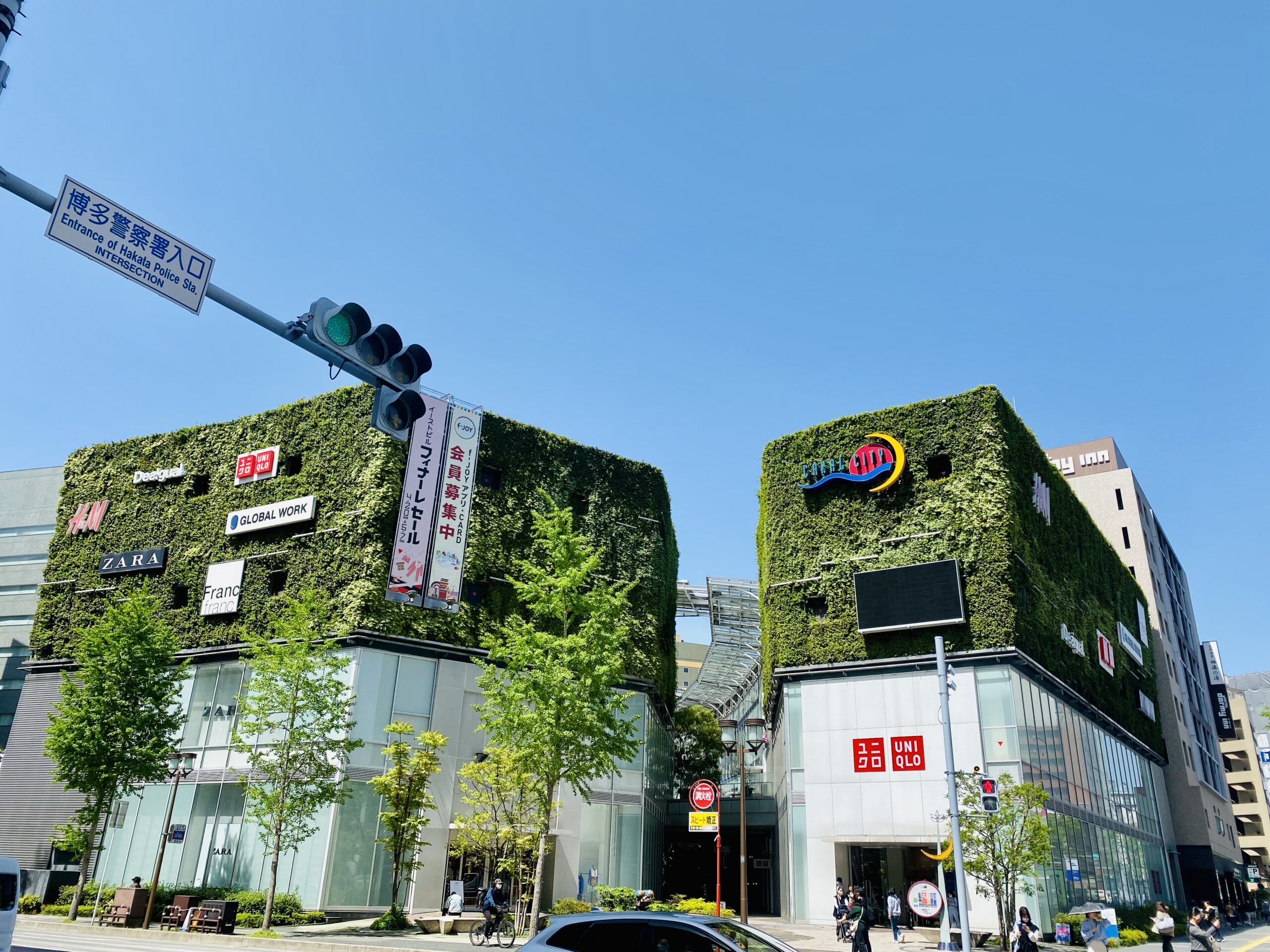
Canal City Hakata
Canal City appears on many Fukuoka sightseeing lists, but it is better as a practical stop than as one of the family’s main attractions, unless there is a particular shop or event you want to see.
Its real value with children is practical. You have restaurants, toilets, shops and somewhere to spend an hour or two indoors when the weather or energy level changes. Ramen Stadium on the fifth floor is covered in the food section below.
Best day trips from Fukuoka with kids: Dazaifu and Yanagawa
Both are easy to reach on Nishitetsu trains from Tenjin and both give the trip a traditional Japan day. Choose Dazaifu for a shrine, sweets and museums with play options for younger children. Choose Yanagawa for a slower, boat-based day.
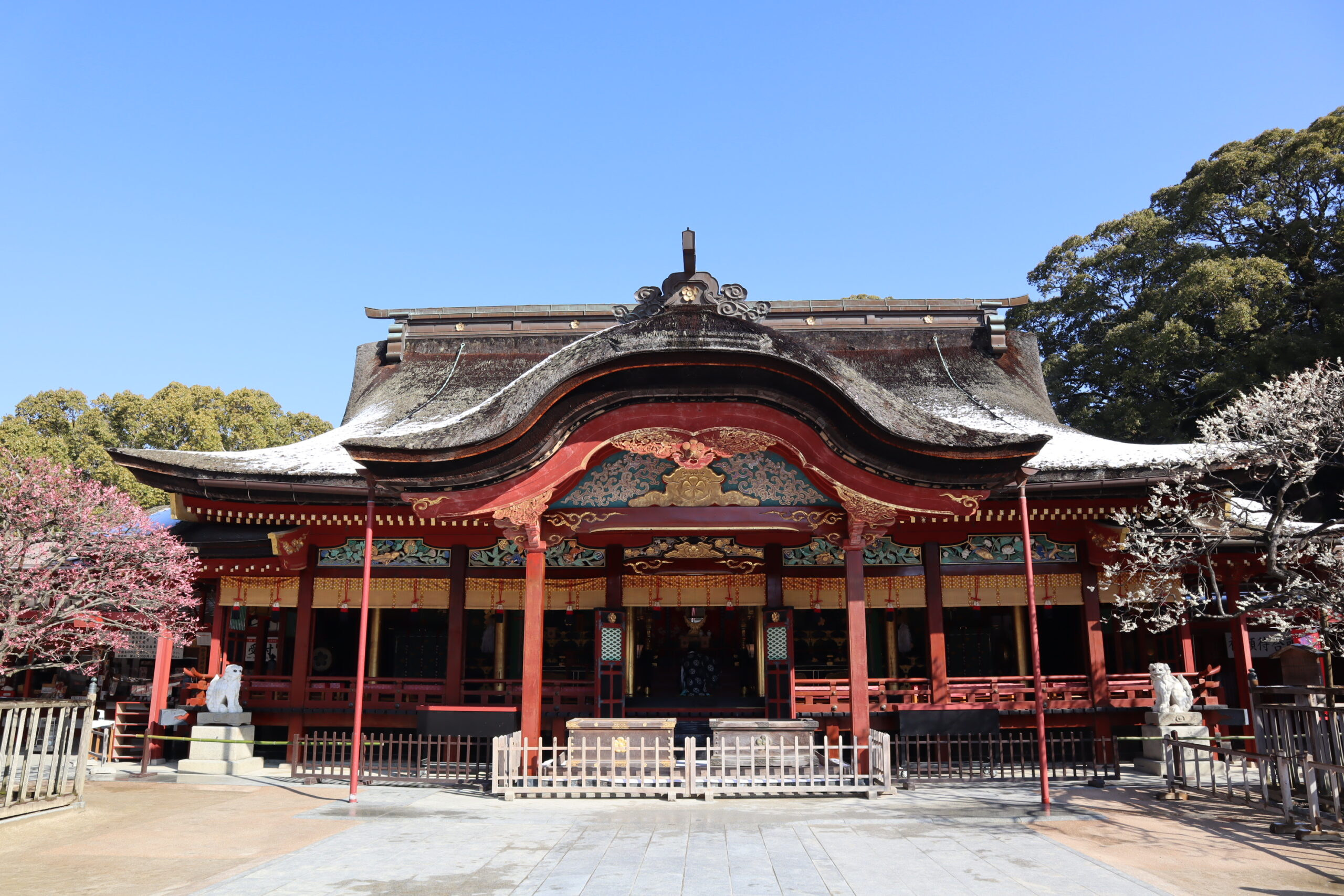
Dazaifu Tenmangu
Dazaifu is the day trip to prioritise for families who want some traditional Japan without committing to another long travel day.
Dazaifu Tenmangu is dedicated to Sugawara no Michizane, a scholar associated with learning. Its main hall completed a major restoration in 2026, the first in about 124 years. Children do not need a long history lesson to enjoy the gates, grounds, shops and food along the approach.
Try umegae mochi on the approach: a grilled rice cake filled with sweet red-bean paste, often made in front of you. Let it cool a little for young children, because the filling is hot and the rice cake is chewy.
The reason Dazaifu works particularly well for mixed-age families is what sits around the shrine: the Kyushu National Museum for culture and older children, and Dazaifu Amusement Park for younger ones.
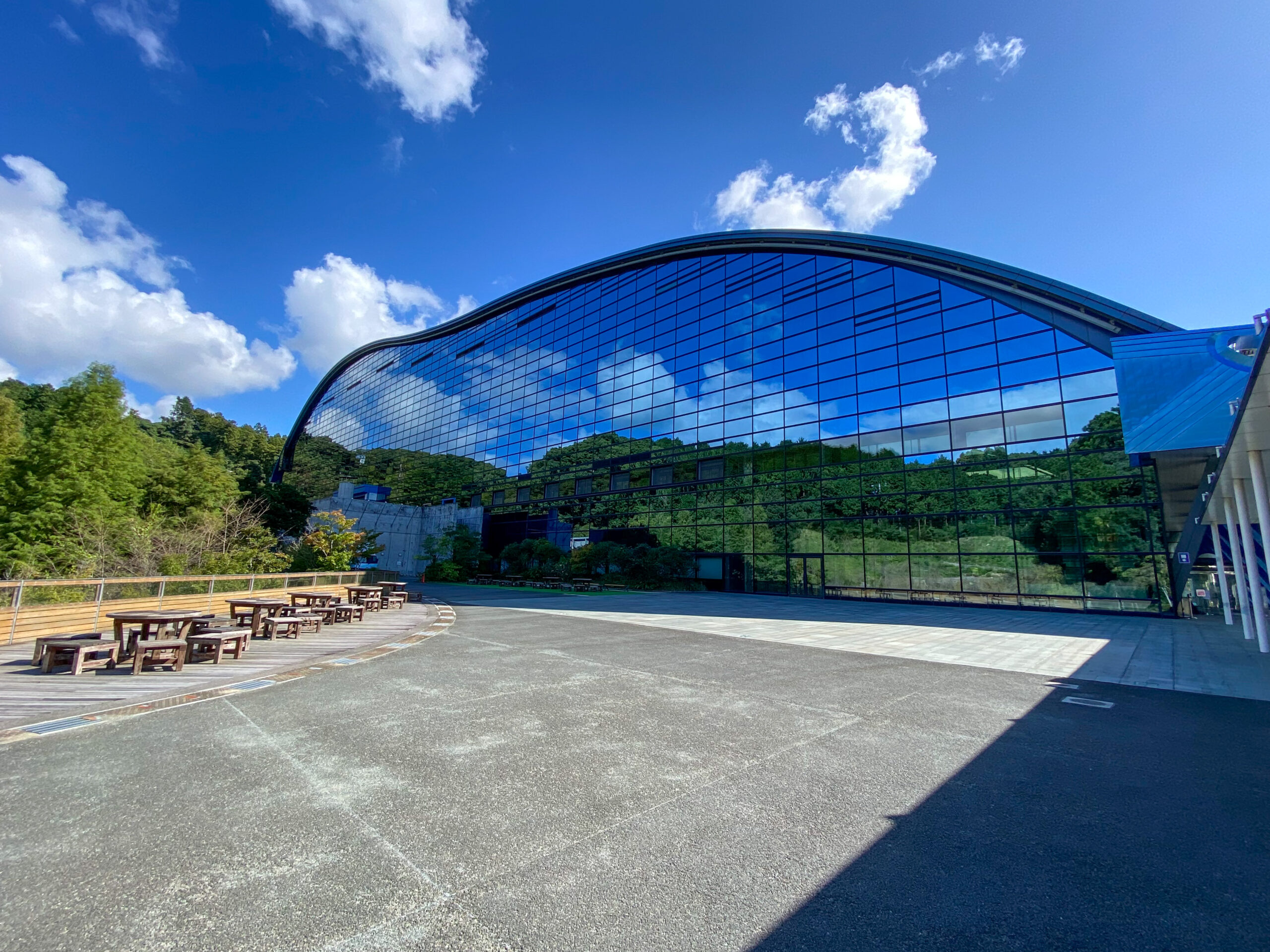
Kyushu National Museum
The main museum explores Kyushu’s long connections with Asia, which becomes more interesting once children have enough historical context to follow it.
Families with younger children should also know about Ajippa on the first floor. This hands-on space introduces cultures through toys, instruments and other objects children can interact with, and entry to Ajippa itself is free. Check its opening days before visiting.
That means the museum can still be worthwhile even when a preschooler is not ready for a long conventional museum visit.
Dazaifu Amusement Park
This small amusement park beside the shrine is aimed at younger children rather than thrill-seeking teenagers.
Several rides can be used from a very young age when accompanied by an adult, and there is also an indoor wooden-toy play space. Nursing and rest facilities make it considerably easier with babies and preschoolers than many historic sightseeing areas.
Morning: Dazaifu Tenmangu before the busiest part of the day.
Lunch: Eat around the approach to the shrine, with umegae mochi for dessert.
Afternoon with preschoolers: Dazaifu Amusement Park.
Afternoon with school-age kids: Kyushu National Museum and Ajippa.
Yanagawa canal boat ride
Photo: Klook
Yanagawa is a historic castle town known for its network of canals. Visitors ride through the waterways in traditional wooden boats called donkobune, steered by boatmen with long poles. A typical cruise lasts around an hour.
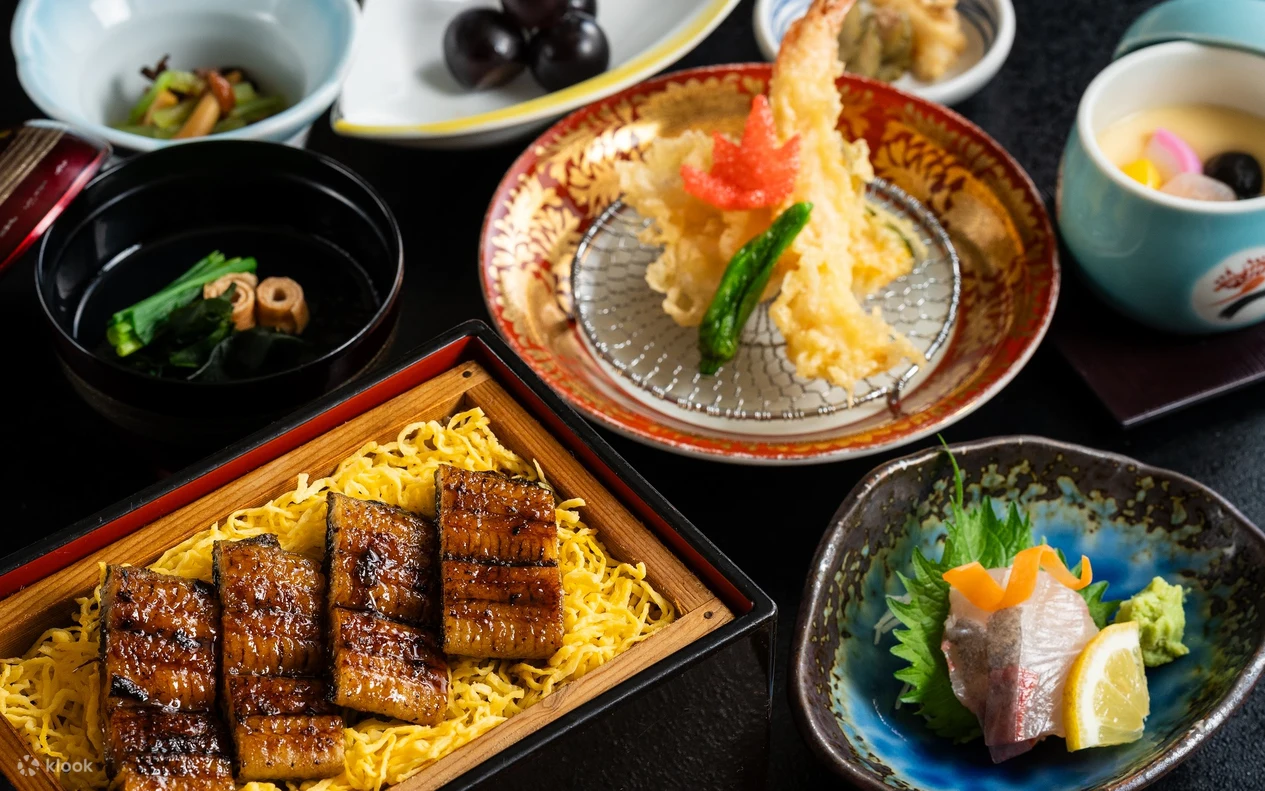
For children, passing under low bridges and watching the boatman work keeps the ride more interesting than a conventional sightseeing tour. Yanagawa is also known for unagi no seiro-mushi, eel steamed over seasoned rice.
Families who prefer an organised day can book a guided half-day tour from Tenjin. Klook lists a private version of the same tour, and the Viator tour below includes an English-speaking guide, round-trip train tickets, the river cruise and an eel lunch (another dish can be requested instead of eel). Lunch for infants is not included, and the cruise is cancelled in bad weather. Families comfortable travelling independently can take the Nishitetsu train and book only the boat ride.
Where to eat Hakata ramen with kids
Fukuoka is famous for tonkotsu ramen: a rich pork-bone broth with thin noodles. The most famous shop is not always the easiest one with a baby or toddler, though. Many traditional ramen shops are small with counter seating, so families often find a branch inside a station or shopping complex easier, with toilets and lifts nearby.
| Restaurant | Location | Why consider it |
|---|---|---|
| Ippudo | JR Hakata City, 10F | Station location, picture menu in English, kids welcome |
| ShinShin | KITTE Hakata B1 (also Hakata Deitos) | Popular, milder tonkotsu next to Hakata Station |
| Nagahama Number One | Hakata Deitos 2F | Traditional Nagahama-style ramen, counter and tables |
| Hakata Ikkousha | Several Hakata and airport-area branches | Well-known local tonkotsu |
| Ichiran Main Shop | Nakasu | Famous flagship with individual booths |
| Ramen Stadium | Canal City Hakata, 5F | Several shops in one place, mini-size bowls |
Facilities differ by branch. Confirm table seating, stroller access and child utensils before visiting.
Ippudo started in Fukuoka. The JR Hakata City branch is convenient for families arriving by train or staying near Hakata Station, and the classic Shiromaru is a good starting point for children who prefer milder flavours.
Very thin noodles and a less heavy broth make it easy for first-timers. Queues are common at meal times, so go before noon and check seating if you have a stroller.
The Deitos branch sits in the Hakata Men Kaido noodle street inside Hakata Station, which makes it easy to fit around Shinkansen and day-trip connections.
The solo booths and order sheet are fun for children who like choosing their own noodle firmness and spice level, but counter seating is harder when feeding a baby or helping several young children.
Ramen Stadium reopened after renovation in April 2026 as part of Canal City’s 30th anniversary. It brings together ramen shops from different parts of Japan, and several offer mini-size bowls, which suits children and families who want to try more than one style. Each shop has its own seating and menu, and the surrounding mall has toilets and other facilities. Official Ramen Stadium website
- Go early. Lunch before noon is usually more manageable than joining a long queue.
- Ask for softer noodles. Many shops let you choose noodle firmness.
- Watch the spicy condiments. Karashi takana, spicy pickled mustard greens, can be much hotter than expected.
- Check ingredients. Tonkotsu broth is made with pork bones, so families with dietary restrictions should check before ordering.
- Be careful with hot soup. Ramen is served very hot, often in deep bowls.
- Do not expect a children’s menu. Sharing an adult bowl may be possible, but policies and utensils vary.
Other Fukuoka food to try with kids
Soft noodles in a gentle broth. Often a good choice for younger children who prefer familiar textures.
A local hot pot with cabbage, chives and offal. Choose a restaurant with private rooms and side dishes children can enjoy.
A local speciality grilled until crisp. Take the food off the skewer before serving young children.
Seasoned pollock roe, served with rice or in snacks. Spicy versions may not suit young children.
- Use department stores and shopping centres when everyone needs different food. They give you multiple restaurants, toilets and somewhere to regroup.
- Do not build a toddler evening around yatai. The evening food stalls are part of Fukuoka’s identity, but seating is limited and some are crowded. With younger children, walk through for the atmosphere, then eat somewhere more comfortable nearby.
- Carry a small snack. The difference between a good 3:00 PM train journey and a terrible one can be something very small.
Food classes in Fukuoka children can join
Two hands-on options that work better for families than an evening yatai tour, which is built around drinks and late hours.
A 1.5-hour workshop near Hakata Station where children build and decorate a realistic plastic “sampuru” parfait, the kind displayed outside Japanese restaurants, and take it home. The listing describes it as family-friendly; toppings cost extra.
A 3-hour home cooking class near Ohori Park: maki sushi rolls plus tempura and miso soup, cooked with a local couple. No raw-fish skills needed, and the listing shows children as free.
Booked through byFood, a Japan food-experience platform with English support. Check each listing for children’s pricing, minimum age and allergy handling before you book.
Choose by what your child actually likes
Marine World first, then Fukuoka Zoo. Add Nokonoshima if the child also enjoys being outdoors.
KidZania Fukuoka is the obvious choice. Look at the English Activities Program if your child does not speak Japanese.
Fukuoka City Science Museum, with the planetarium if the programme suits your child.
Anpanman Museum for young children who already know the characters.
Hakata doll painting in central Fukuoka, or pottery and painting on Nokonoshima.
teamLab Forest and BOSS E-ZO are better bets for older children.
Dazaifu Tenmangu + Kyushu National Museum, or a Yanagawa boat ride.
Uminonakamichi Seaside Park, Ohori Park or the zoo.
Best rainy-day activities in Fukuoka with kids
Rain changes the best choices, but it does not need to ruin the day. The key is choosing somewhere where the attraction, food and transport are close together.
| Age | Best rainy-day choices | Why |
|---|---|---|
| Baby / toddler | Anpanman Museum, Aikuru, Marine World | Indoor, easy to stop early, practical family facilities |
| Preschool | Anpanman, Marine World, Aikuru | Visual and active without requiring long attention spans |
| School age | KidZania, Science Museum, Marine World, Hakata doll painting | Can fill several hours without outdoor transfers |
| Older kids | teamLab Forest, BOSS E-ZO, Science Museum | More active and independent experiences |
It is useful for lunch, ramen and staying dry, but if the entire day is wet, pair it with a real child-focused attraction rather than spending six hours in a shopping centre.
Fukuoka with kids: 1, 2 and 3-day itineraries
Morning: Ohori Park or one central attraction
Lunch: Hakata ramen near Hakata Station or in Tenjin
Afternoon: One age-appropriate indoor attraction
Avoid spending your only Fukuoka day travelling to three different edges of the city.
Day 1: Central Fukuoka, ramen + child-led attraction
Day 2: Marine World + Uminonakamichi Seaside Park
For a family with preschoolers, Day 1 might mean Anpanman. With school-age children, KidZania, the Science Museum or Hakata doll painting makes more sense. Add Dazaifu or Yanagawa only if they matter a lot to your family.
Day 1: Arrive, ramen lunch near Hakata Station, then Kushida Shrine, Hakata doll painting or an age-specific attraction. Early dinner.
Day 2: Uminonakamichi family day. This is a full day, so do not add another major attraction.
Day 3: Dazaifu (shrine, umegae mochi, museum or amusement park) or Yanagawa (canal boat and lunch in the old town)
This gives the trip three genuinely different days rather than three variations on shopping and city sightseeing. With more time, do both Dazaifu and Yanagawa on separate days.
Souvenir shopping in Fukuoka with kids
If you have time for just one souvenir stop, make it Hakata Station. Ming, the large souvenir area on the station’s ground floor, brings together around 90 shops selling regional sweets, mentaiko, traditional crafts and food, so you can pick up gifts without a separate trip across the city.
One of Fukuoka’s best-known sweets: a soft, buttery cake with a smooth white bean filling. It is sold mainly in the Fukuoka area, which makes it a good “only from here” gift.
A Doraemon version of Niwaka Senpei, crisp crackers shaped like the comic masks of the Hakata Niwaka folk performance. The Doraemon boxes have come with a paper mask children can wear.
Chocolate nuts and bolts that really screw together, created as a souvenir for steel-making Kitakyushu. A fun gift for children who like to build things. Availability at individual shops varies.
For a gift that will not be eaten on the train, look for Hakata dolls and Hakata-ori textiles. A traditional craft shop inside Ming sells both, and small items such as textile accessories and stationery travel well.
If you are leaving by train, save souvenir shopping for the last day. Ming is open from 9:00 to 21:00 and sits right by the ticket gates, so you can shop shortly before departure without carrying boxes around for days. Explore the Ming shopping guide
Where to stay in Fukuoka with kids
Best for first-time visitors, airport access, Shinkansen travel and families continuing to Kumamoto, Kagoshima or elsewhere in Kyushu. Hotels to compare include Miyako Hotel Hakata, Hotel Nikko Fukuoka and Hakata Green Hotel Annex.
Convenient for historic Hakata, Kushida Shrine and Canal City. Nishitetsu Hotel Croom Hakata Gion Kushida Shrine is a minute from Kushida Shrine Station, has a large public bath, and offers extended-stay rooms with a washer-dryer, mini kitchen and microwave.
Better if restaurants and shopping within walking distance matter most. Nishitetsu trains for Dazaifu and Yanagawa leave from here.
Useful for families prioritising the dome, BOSS E-ZO or the waterfront. Less practical as a general sightseeing base for a short first visit.
In Japan, a room described as a double or twin is not automatically suitable for two adults and two children. Check each hotel’s child-age policy, bed-sharing rules and maximum occupancy before booking.
Getting around Fukuoka with children
Fukuoka is easier to navigate than Tokyo with young children, but not every family attraction is in the compact central core.
From the domestic terminal, the subway takes around five minutes to Hakata and about eleven to Tenjin. The international terminal is separate from the subway station, so use the free terminal shuttle bus or take a taxi with heavy luggage.
Best for the airport, Hakata, Tenjin, Ohori and many central-city journeys.
JR is useful for Uminonakamichi. Nishitetsu trains from Tenjin are the easy way to Dazaifu and Yanagawa. Check transfers carefully with a stroller.
Buses reach some attractions rail does not, but can be crowded at peak times. Taxis are worth considering for short trips with tired children and several bags.
Do you need a stroller in Fukuoka?
For a baby or younger toddler, generally yes. Central Fukuoka is manageable, and a stroller is useful for long family days such as Marine World, the zoo and shopping areas.
A lightweight stroller is easier on buses and trains than a large travel system. Not every attraction allows strollers inside, and Dazaifu, parks and the zoo can still mean crowded paths, slopes and uneven outdoor areas. Check ahead if you use a large stroller or need step-free access.
Rain and summer heat matter in Fukuoka
Do the zoo, Dazaifu or park time in the morning. Move to an aquarium, museum or shopping complex during the hottest part of the afternoon.
Choose one destination with food nearby. KidZania, Science Museum, Anpanman and Marine World are much easier than repeatedly moving across the city.
What not to try to fit into one day
- Marine World, Dazaifu and central Fukuoka in one day.
- Dazaifu and Yanagawa on the same day with young children.
- KidZania followed by another major paid attraction.
- Nokonoshima as a quick two-hour gap filler.
- A full zoo day followed by an ambitious evening sightseeing plan with preschoolers.
Getting to and around Fukuoka: rail pass and car rental
Fukuoka is the best place to start a JR Kyushu Rail Pass. The Northern Kyushu pass (3 days ¥15,000, 5 days ¥17,000) covers day trips to Beppu, Nagasaki, Kumamoto and Saga, including sightseeing trains such as Yufuin no Mori.
Pick up a car at Fukuoka Airport only for the rural part of your trip, such as Aso or Takachiho. You will not need one in the city. Request child seats when you book; they are required by law for children under 6.
Until February 28, 2027 (or until the budget runs out), Kagoshima Prefecture and Klook cover a one-way Hakata–Kagoshima-Chuo Shinkansen fare, up to ¥11,420, for residents of the US, Singapore, Thailand, Vietnam, Korea, China, Taiwan and Hong Kong who arrive via Fukuoka Airport and book a Kagoshima stay through Klook’s campaign page.
Fukuoka with kids: common questions
Yes. It is compact compared with Tokyo, has straightforward airport access and offers a useful mix of aquariums, parks, children’s attractions, food and easy day trips.
Two days is enough for central Fukuoka plus one major family day. Three days is better if you also want Uminonakamichi and Dazaifu or Yanagawa without rushing.
If they already love Anpanman, the Anpanman Children’s Museum is the most obvious toddler destination. Marine World and the zoo work better across a wider range of interests.
KidZania, Fukuoka City Science Museum, Marine World, teamLab Forest and Hakata doll painting are the strongest starting points. Which one is best depends much more on the child’s interests than their exact age.
Yes, many families enjoy it together. Choose a shop with table seating, ask for softer noodles, and watch out for very hot soup and spicy condiments.
Choose Dazaifu for a shrine, traditional sweets, museums and a small amusement park. Choose Yanagawa for a slower, boat-based cultural day. Both work with children, but they are very different days.
Yes. Keep the shrine visit relatively short and use Dazaifu Amusement Park or Ajippa at the Kyushu National Museum to give the child something more active.
It varies. Major attractions often have English signs or booking information, but many hands-on programmes and craft workshops are run mainly in Japanese. KidZania Fukuoka is a useful exception, with a dedicated English Activities Program. Check before booking.
Not for this guide. Central Fukuoka, Uminonakamichi, Dazaifu and Yanagawa can all be reached by public transport. A car becomes more useful for rural Fukuoka Prefecture.
Good choices include KidZania Fukuoka, Fukuoka City Science Museum, Anpanman Children’s Museum, Aikuru, Marine World and Hakata doll painting. Pick one area rather than spending a wet day transferring repeatedly.
Hakata Station is the easiest single stop. Ming, on the station’s ground floor, has regional sweets such as Hakata Torimon and Niwaka Senpei alongside traditional crafts.
How to plan Fukuoka with kids
Resist the temptation to turn Fukuoka into another long attraction checklist.
Give one day to the sea and open space at Uminonakamichi. Give another to the city, a bowl of ramen and something your child specifically enjoys. If you have a third day, Dazaifu or Yanagawa gives the trip a completely different feel without a difficult journey.
That combination is what Fukuoka does particularly well: a city day, a family day and a cultural day, without spending half the holiday in transit.
Planning a family trip around Japan?
Choose fewer places, group days geographically and leave enough time for the parts children end up enjoying most.