Tokyo with Toddlers: A Practical Guide for Ages 2–4
Tokyo is surprisingly manageable with a two-, three- or four-year-old, but the trip gets much easier when you plan around naps, walking limits, meals and one main activity at a time.
- Best pace: One main activity before lunch, one easy option after
- Stroller: Still useful for most children ages 2–4, especially for long station transfers and naps
- Lunch: Earlier is easier — around 11:00–11:30 avoids many restaurant queues
- Nap: Build the day around it rather than hoping your child skips it
- Rainy days: Aquarium, children’s museums and indoor play spaces work better than pushing through an outdoor itinerary
- Best areas: Ueno, Oshiage, Toyosu/Ariake, Odaiba and areas with large parks or indoor attractions
Toddlers are old enough to be excited by Tokyo but still young enough to completely change the plan at 12:37 because they are hungry, tired or suddenly refuse to walk.
That does not make Tokyo a difficult destination. Trains are frequent, convenience stores are everywhere, large shopping complexes have toilets and changing facilities, and there are plenty of indoor places to retreat when the weather or mood changes.
What does not work particularly well is treating a toddler like a smaller school-age child and filling every hour with sightseeing.
Plan one thing you really want to do in the morning. Eat before the lunch rush. Let the nap happen. Treat anything successful after 2:00 PM as a bonus.
Age 2 vs 3 vs 4: they are not the same trip
How I would plan a day in Tokyo with a toddler
Should you bring a stroller?
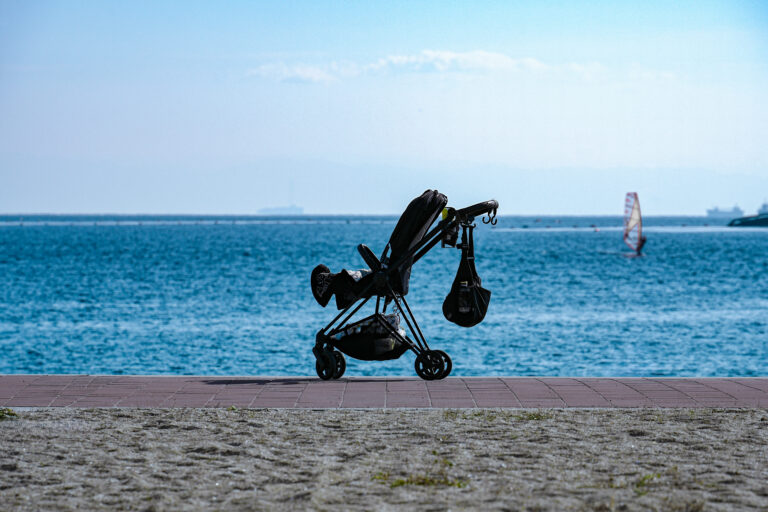
For most two- to four-year-olds, yes. A lightweight stroller is useful even if your child walks well at home.
Tokyo involves long station corridors, transfers, crowded streets and much more walking than most visitors expect. A child who happily walks around the neighbourhood may not happily walk through Shinjuku Station after six hours of sightseeing.
Where a stroller helps most
- Long walks through major stations
- Nap time when returning to the hotel is inconvenient
- Airports and long travel days
- Large parks, shopping complexes and waterfront areas
- End-of-day walks when a toddler is simply finished
Read our full Tokyo stroller guide if you are deciding whether to bring one from home.
Which parts of Tokyo work well with toddlers?
Park space, museums, zoo options and plenty of places to change direction if your original plan stops working.
Aquarium, shopping, food and indoor facilities in one compact area. Useful when you do not want multiple train journeys.
Wide walkways and several indoor family attractions. Easier than squeezing multiple central-Tokyo neighbourhoods into one day.
Open space, malls and indoor options make it forgiving when a toddler needs breaks.
Yoyogi Park gives children room to move. Harajuku itself is better in short doses with a stroller and young child.
Sunshine City gives families an aquarium, shops, restaurants and indoor facilities without repeatedly moving across the city.
Ueno
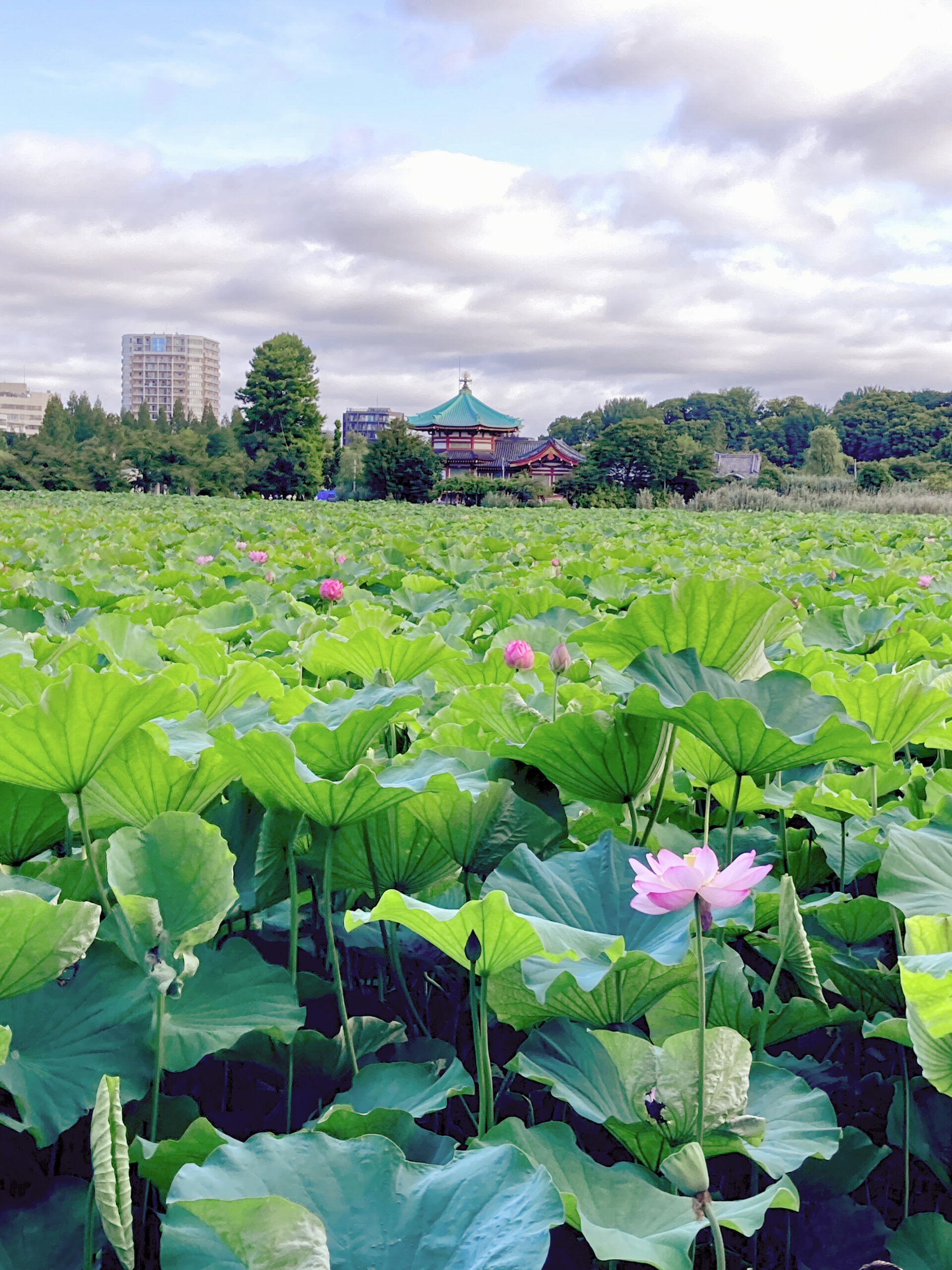
Ueno is useful with toddlers because you do not have to commit to one attraction for the whole day. You can start with a museum or zoo, walk through the park, stop for food and change plans without crossing Tokyo.
If your child likes dinosaurs or animals, there are obvious choices. If they are simply tired of being indoors, the park itself gives you space to slow down.
Yoyogi Park: sometimes the activity should be no activity
Parents sometimes feel that every hour in Tokyo needs to contain a famous attraction. Toddlers do not.
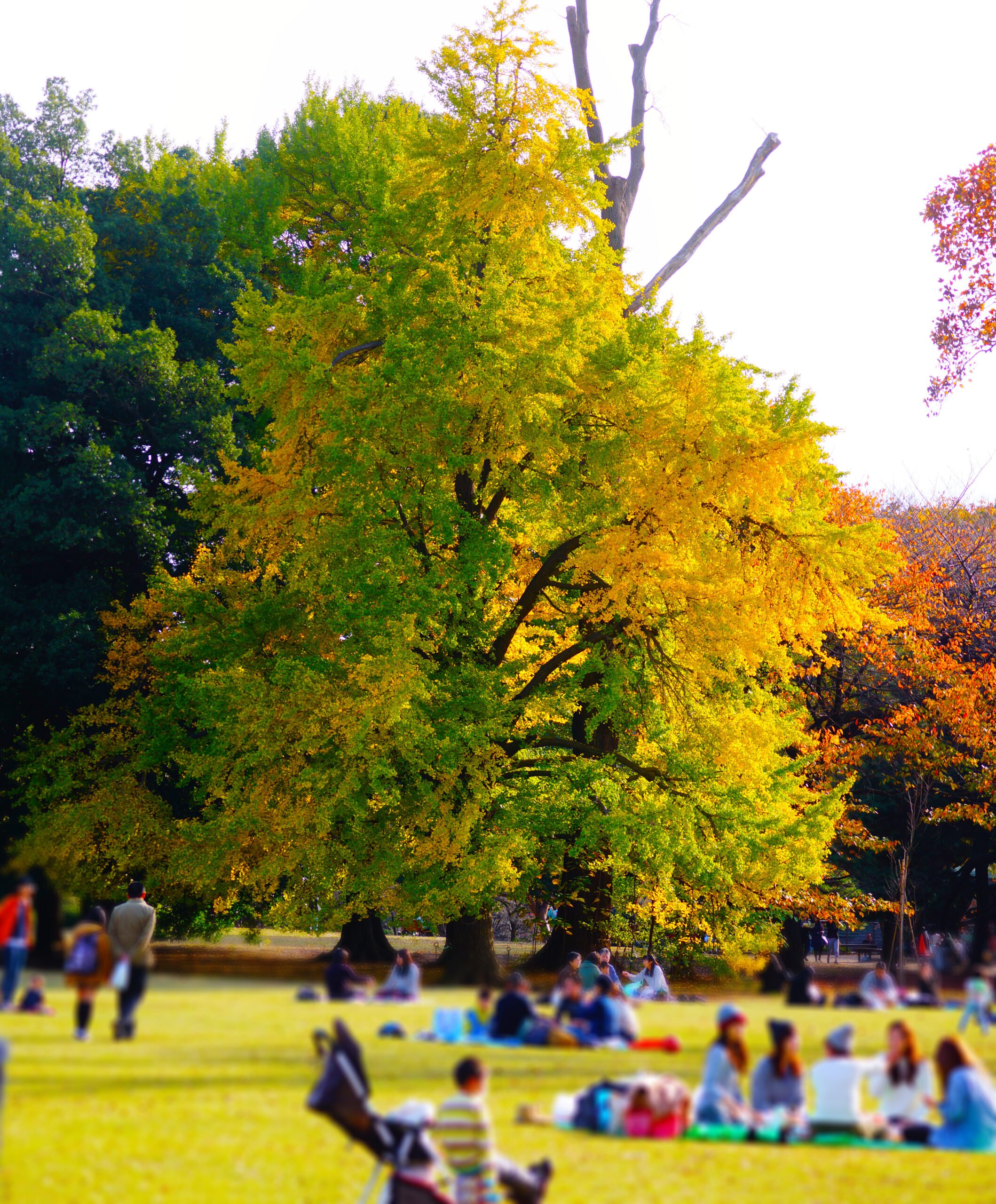
A park morning, picnic or simply letting a child move freely can rescue the rest of the trip. Yoyogi is especially useful if you are already visiting Harajuku or Meiji Jingu and need to break up the sightseeing.
Fire Museum
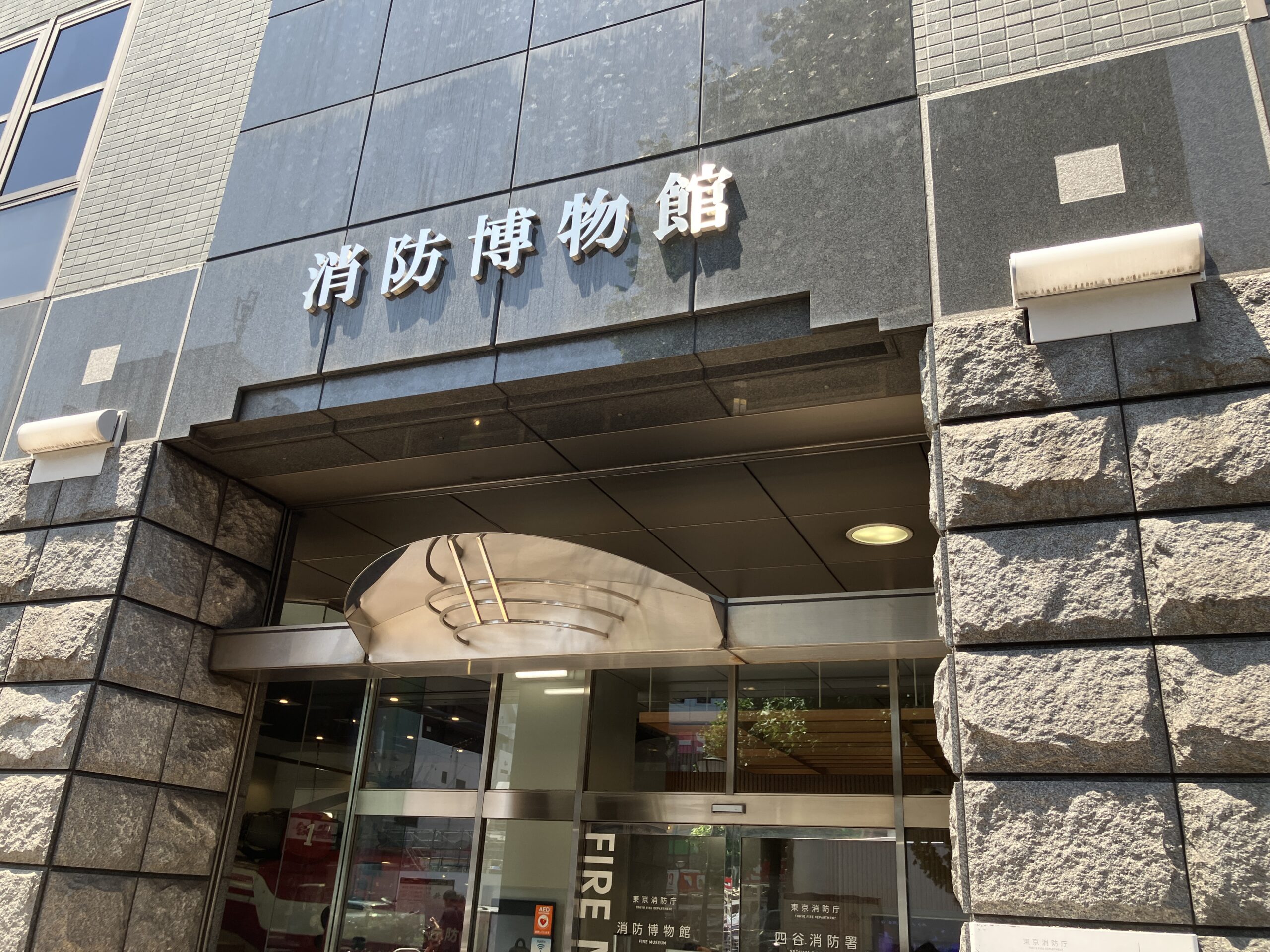
The Fire Museum in Yotsuya-Sanchome is one of those places that works well when you need something easy rather than a major destination.
Fire engines and emergency vehicles are an obvious hit with many preschool children, admission is free, and the museum is directly connected to Yotsuya-Sanchome Station.
I would use it as a short indoor stop, especially on a rainy or very hot day, rather than trying to turn it into an all-day excursion.
Sunshine Aquarium
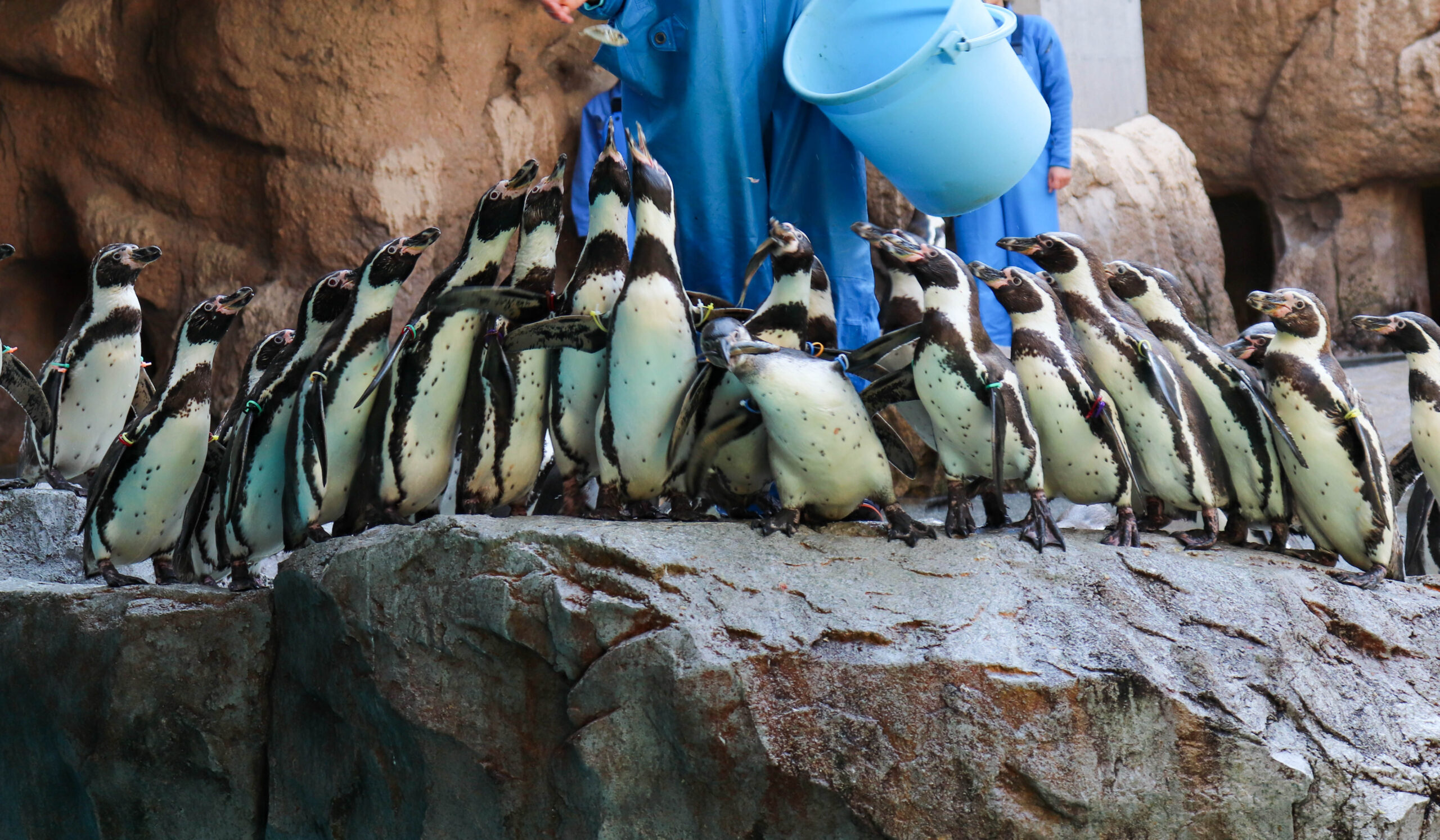
Aquariums tend to work especially well around ages two to four because children do not need to understand an exhibit to enjoy watching something move.
Sunshine Aquarium is useful because it sits inside the wider Sunshine City complex. If your child lasts only an hour, you still have restaurants, shops and indoor facilities around you rather than needing another train immediately.
It is a good example of the kind of Tokyo outing I prefer with toddlers: one main attraction inside an area where the rest of the day can stay flexible.
What toddlers actually need from a Tokyo attraction
Animals, vehicles, water, buttons, lights or somewhere they can physically move are usually easier than long displays behind glass.
Attractions where you can leave after 60–90 minutes without feeling that you missed everything are ideal.
A brilliant attraction becomes much less brilliant when lunch requires a 30-minute transfer.
Parks, malls, cafés or another indoor option make the day far more forgiving.
How much walking is realistic?
Tokyo makes adults walk far more than they expect, and the same is true for children. The difference is that toddlers often look perfectly fine until they suddenly are not.
Stairs, station transfers, crowds, waiting and standing are tiring too. Two short attractions in different parts of Tokyo can be harder than one large attraction where you stay for several hours.
This is another reason I prefer one neighbourhood or one large complex at a time with toddlers.
Meals are part of the itinerary
With a toddler, I would choose a convenient restaurant at the right time over a famous restaurant with a long queue.
- Eat lunch around 11:00–11:30 when possible.
- Department stores and shopping centres are useful because you have several restaurant choices in one place.
- Carry one familiar snack even if you plan to buy food during the day.
- Convenience stores are useful for emergency bananas, yogurt, bread, rice balls and drinks, depending on what your child eats.
- Do not wait until your child says they are hungry to start looking for lunch.
What about naps?
If your child still naps at home, assume they may need one in Tokyo too. Travel excitement can delay the nap, but it does not necessarily remove the need for it.
Often the easiest solution on a sightseeing day if your child sleeps well in a stroller.
Worth it if you are staying centrally and evenings matter to you more than squeezing in another afternoon attraction.
Possible, but do not build the whole plan around it. Transfers can wake a child at exactly the wrong moment.
If the nap disappears, move dinner and bedtime earlier rather than adding extra sightseeing because the afternoon suddenly looks free.
Rainy days with a toddler
A rainy day does not need to ruin Tokyo, but I would change the geography of the day as well as the attraction.
Choose somewhere where the station, attraction and lunch are close together. An indoor museum is much less useful if reaching it requires a long exposed walk with a stroller.
- Choose station-connected or compact areas when the rain is heavy.
- Aquariums and smaller children’s museums are often easier than full-day attractions.
- Bring or buy a stroller rain cover if the stroller is central to your trip.
- Pack spare socks or trousers for children who will find every puddle.
- Do not insist on the outdoor plan just because tickets were not required.
See our full rainy-day Tokyo with kids guide for indoor options across the city.
Tokyo summer with a toddler
Heat changes the itinerary just as much as rain does. In very hot and humid weather, I would put outdoor play or sightseeing first thing in the morning and move indoors around midday.
Park, shrine, outdoor attraction or neighbourhood walk.
Lunch, aquarium, museum, shopping complex or hotel break.
What I would not do
- Three major neighbourhoods in one day.
- A full morning attraction followed by a cross-city transfer before lunch.
- Long restaurant queues with a hungry two-year-old.
- Assuming a three-year-old who walks at home no longer needs a stroller in Tokyo.
- Scheduling the most important activity for late afternoon.
- Planning every day at maximum capacity because one successful day went well.
Three easy toddler day patterns
Ueno day
Morning: One museum or zoo visit
Lunch: Early lunch around Ueno
Nap: Stroller walk through the park or return to hotel
Afternoon: Park time only if everyone still has energy
Skytree / Oshiage day
Morning: Sumida Aquarium
Lunch: Solamachi
Nap: Stroller or quiet indoor time
Afternoon: Short shopping or observation deck only if the child is still enjoying the day
Park + one indoor activity
Morning: Yoyogi Park or another large open space
Lunch: Early and close by
Afternoon: One short indoor attraction
Finish: Hotel before the evening rush
Tokyo with toddlers: common questions
Yes. The city is practical for families, but I would use a stroller and plan fewer attractions than you would with an older child.
Not every four-year-old does, but it can still be useful for long days, station transfers and the end of the afternoon. It depends more on your child’s walking stamina than their age alone.
I would plan one main attraction and one optional easy activity. Two can work well; three usually creates unnecessary transfers and pressure.
There is no single best area, but Ueno, Oshiage, Toyosu/Ariake and Odaiba are useful because several family-friendly options sit close together.
Choose one compact indoor area rather than travelling across the city. Aquariums, children’s museums and station-connected shopping complexes are usually the easiest options.
Planning Tokyo with a toddler?
Keep the geography simple, protect the nap and build the day around one thing your child will genuinely enjoy.