Where to Stay in Tokyo with Kids
Where you stay in Tokyo can make a much bigger difference with kids than it does on an adults-only trip. A convenient station, the right room setup and enough space for luggage or a stroller can save you a lot of unnecessary stress.
This guide compares the Tokyo neighborhoods I’d actually consider for a family trip, including what each area is good for, what’s nearby, how it feels with children, and the trade-offs that are easy to miss when you’re looking at a map from overseas.
There isn’t one “best” area for every family. A family visiting Disney and teamLab will make a very different choice from one taking the Shinkansen to Kyoto, or one traveling with a baby and a stroller.
Tokyo areas at a glance
If you’re not sure where to start, use this table to narrow the options before reading the area-by-area notes below.
| Area | Works well for | Age / family fit | Easy access to | Main advantage | Main trade-off |
|---|---|---|---|---|---|
| Tokyo Station / Marunouchi | Shinkansen trips, first or last nights, convenience | Babies to school-age kids | Shinkansen, Ginza, Imperial Palace, Nihonbashi | Very convenient, polished and relatively calm once you move away from the station itself | Hotels are expensive, and Tokyo Station is enormous |
| Ginza / Higashi-Ginza | Central sightseeing, shopping, restaurants, a calmer city base | Babies to older kids | Tsukiji, Hibiya, Tokyo Station, Marunouchi | Walkable, central and generally calmer than Shibuya or Shinjuku | Hotels tend to be expensive, with fewer child-focused attractions nearby |
| Ueno | Zoo, museums, parks, east Tokyo sightseeing | Toddlers to school-age kids | Ueno Zoo, National Museum of Nature and Science, Asakusa | A lot of family sightseeing without crossing the city every day | The station area is busy, and parts feel less polished than Marunouchi or Ginza |
| Asakusa / Oshiage | Traditional Tokyo, Skytree, slower sightseeing | Toddlers to school-age kids | Senso-ji, Tokyo Skytree, Sumida Aquarium | More atmosphere, and larger rooms can sometimes be easier to find | Heavy tourist crowds, and some streets get lively at night |
| Shinjuku | Transport connections, western Tokyo, day trips | Better with school-age kids and older | Shinjuku Gyoen, western Tokyo, day-trip train routes | Exceptional transport and a huge range of hotels | Can feel overwhelming with luggage, small children or a stroller |
| Shibuya | Shopping, Harajuku, contemporary Tokyo, older kids | School-age kids to teens | Harajuku, Meiji Jingu, Omotesando, Shibuya Sky | Central, energetic and convenient for western Tokyo | Crowded and noisy; not the most restful base with babies or toddlers |
| Toyosu / Ariake | Indoor attractions, rainy days, Tokyo Bay activities | Toddlers to school-age kids | teamLab Planets, KidZania, Odaiba, Ginza | Modern, spacious and easier to navigate with a stroller | Less traditional Tokyo atmosphere; not central for every sightseeing area |
| Kinshicho | Better room value, east Tokyo sightseeing | School-age kids and older | Tokyo Skytree, Asakusa, east Tokyo | Often better hotel value than the central districts | Practical rather than picturesque; some nightlife on the south side |
| Shinagawa | Haneda access, Shinkansen, short stays, transport-heavy trips | Toddlers to school-age kids | Haneda, Shinkansen, Aqua Park Shinagawa | Excellent transport connections and easy indoor entertainment nearby | More businesslike than atmospheric |
| Maihama / Tokyo Bay | Disney-focused trips | All ages | Tokyo Disneyland, Tokyo DisneySea | Much easier if Disney is a major part of the trip | Less convenient for sightseeing in central and western Tokyo |
Where these areas are in Tokyo
Tokyo can look compact on a map, but crossing the city with children takes time. Staying closer to the places you plan to visit most can make a noticeable difference.
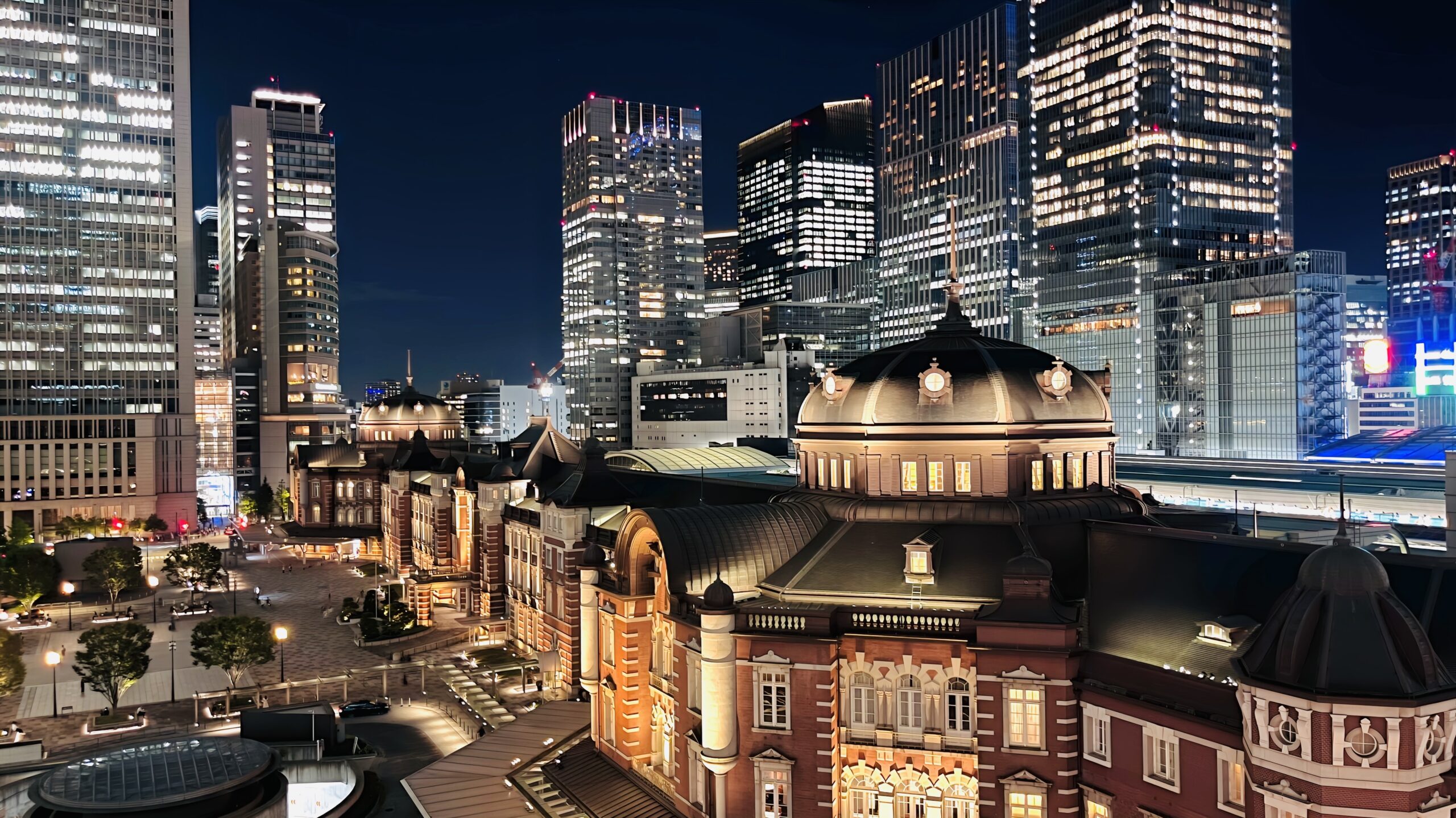
If I were traveling with a baby or toddler and wanted the easiest possible central base, this would be high on my list. The Shinkansen, department stores, restaurants and taxis are all close at hand, and the Marunouchi side feels much calmer once you step away from the station.
See family hotels near Tokyo Station →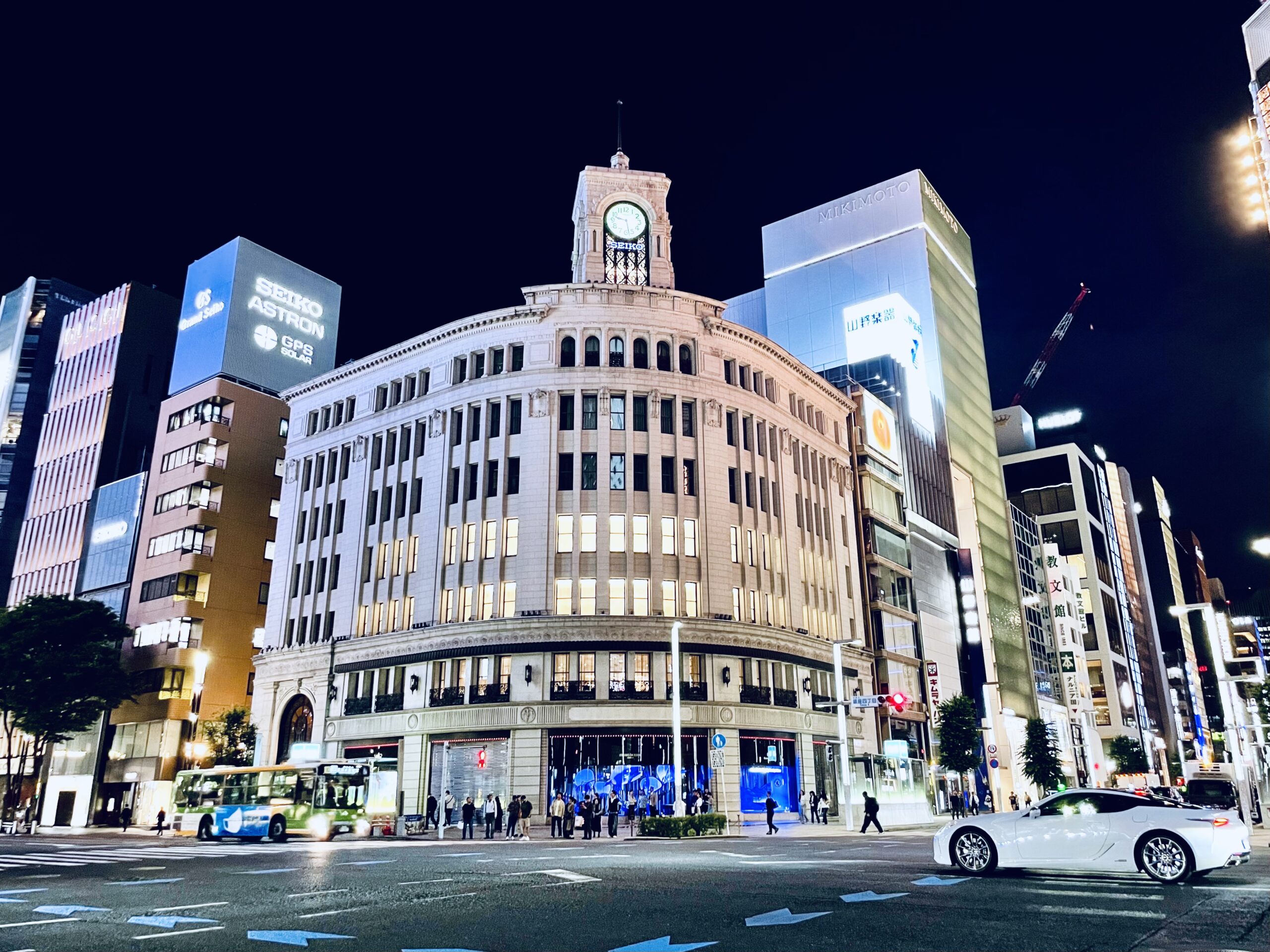
Ginza works surprisingly well with children if you want to stay central without being in the middle of Shibuya or Shinjuku. Department stores are useful for meals, toilets and baby facilities, and several major sightseeing areas are within a short ride or even walking distance.
See family hotels in Ginza →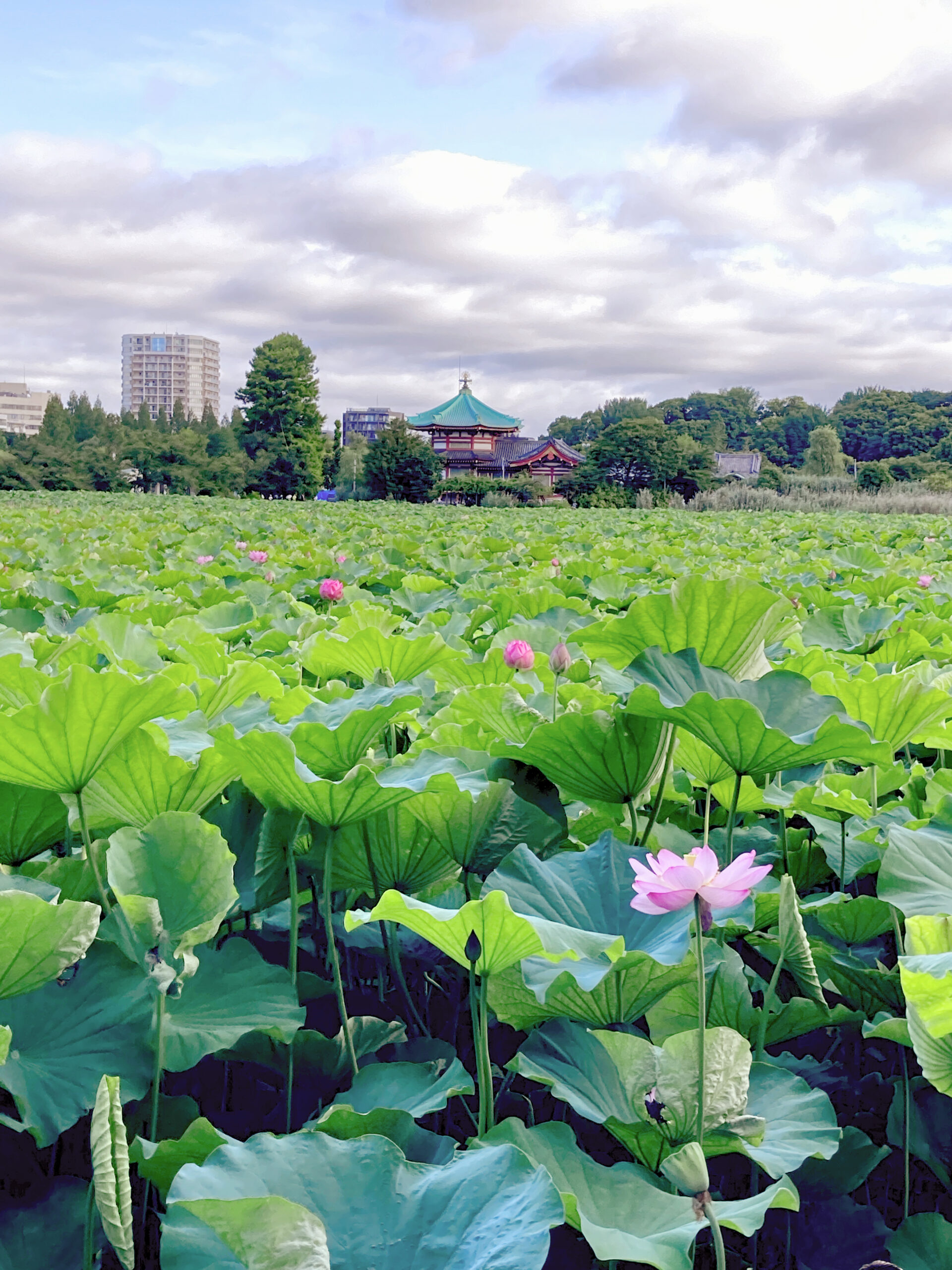
Ueno makes a lot of sense if the zoo, museums and park are already on your itinerary. You can spend a full family day nearby without repeatedly moving across Tokyo, and there are also apartment-style hotels in the wider area.
See family hotels in Ueno →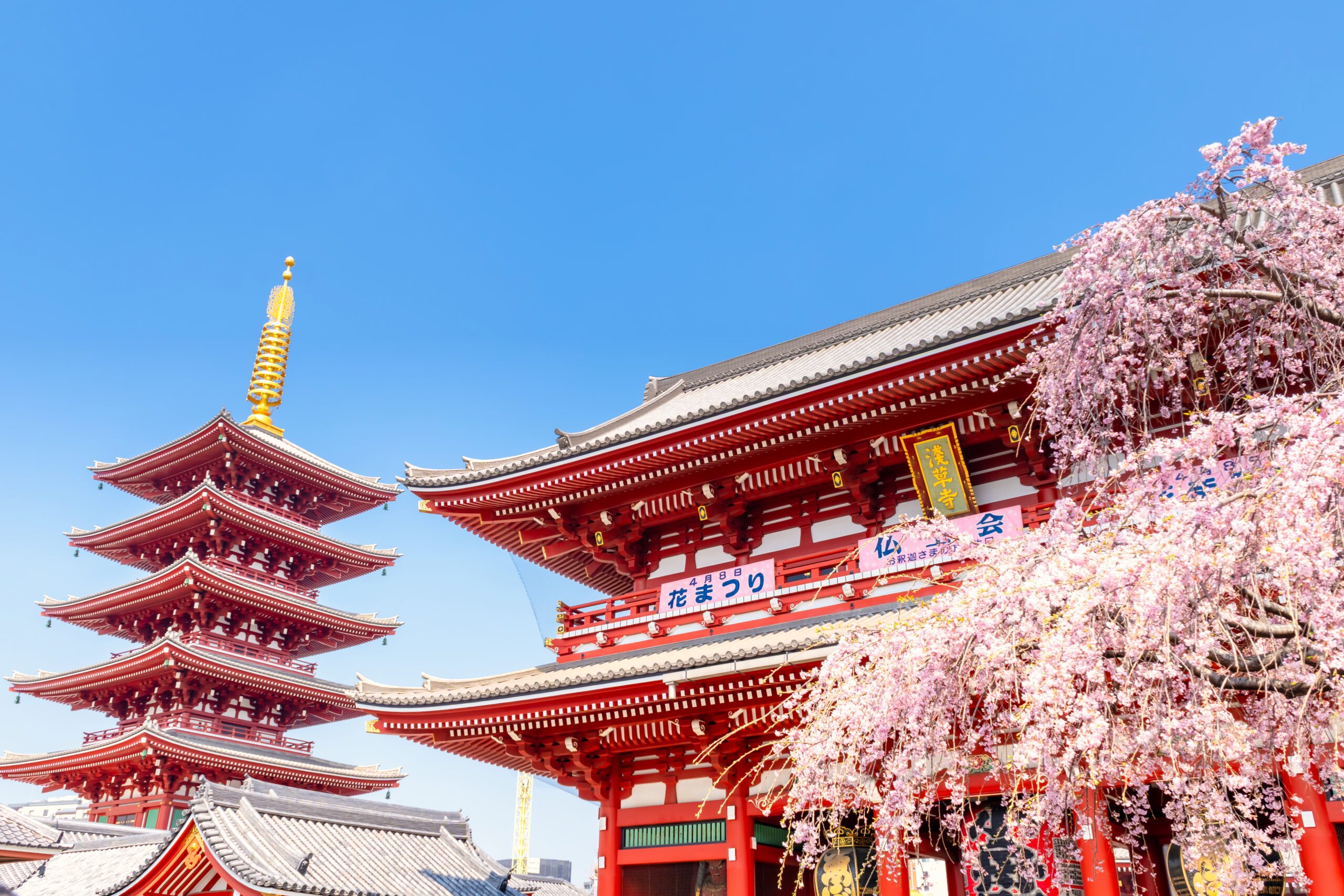
This is a good choice if you want the Tokyo scenery many first-time visitors imagine. I’d pay attention to the exact street, though: the area around major sights can be extremely crowded, and parts of Asakusa become quite lively in the evening.
See family hotels in Asakusa & Oshiage →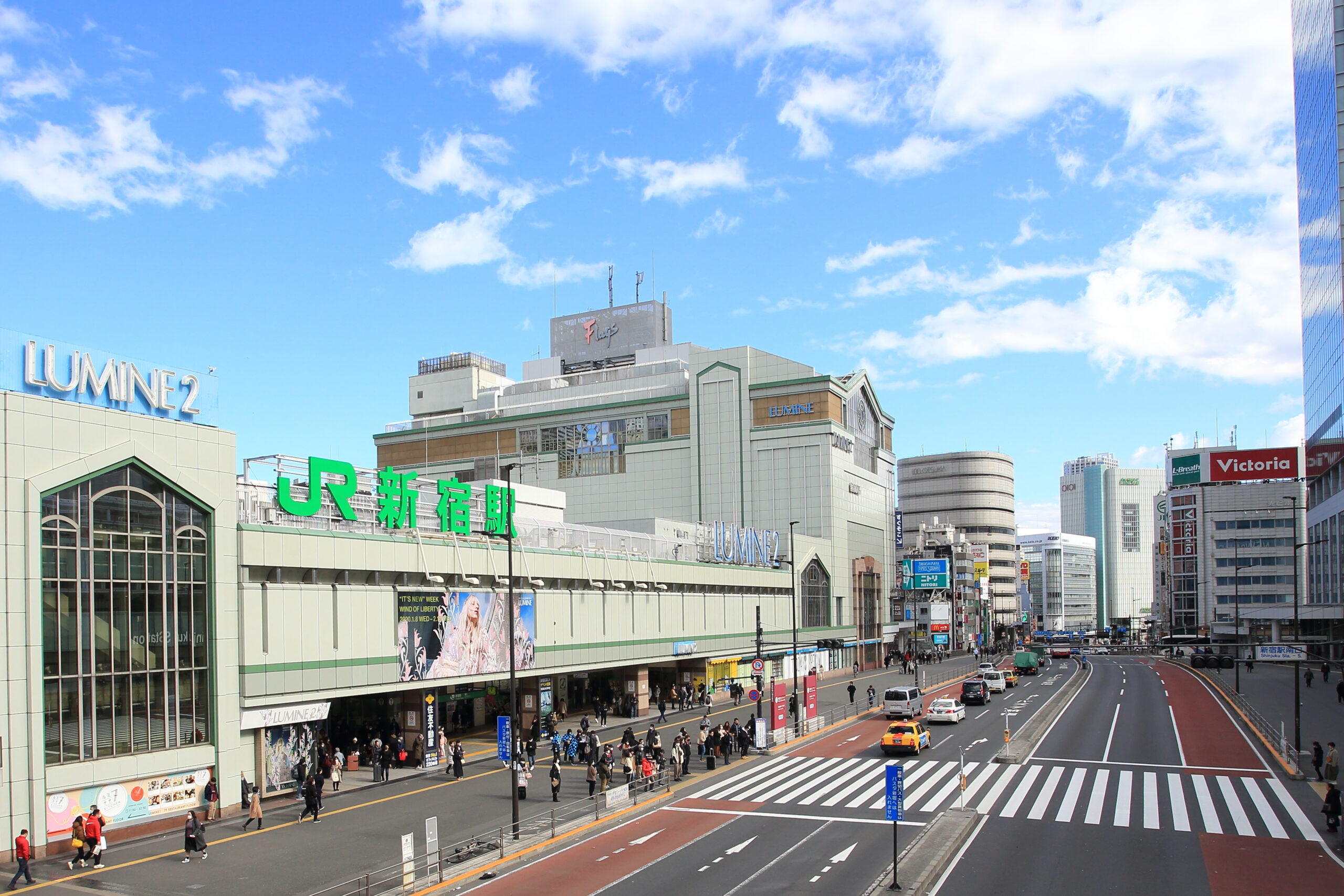
Shinjuku is incredibly convenient on paper, but I wouldn’t automatically choose it with a stroller or very small children. The station is enormous, pedestrian traffic is heavy and even a simple transfer can involve more walking than expected.
See family hotels in Shinjuku →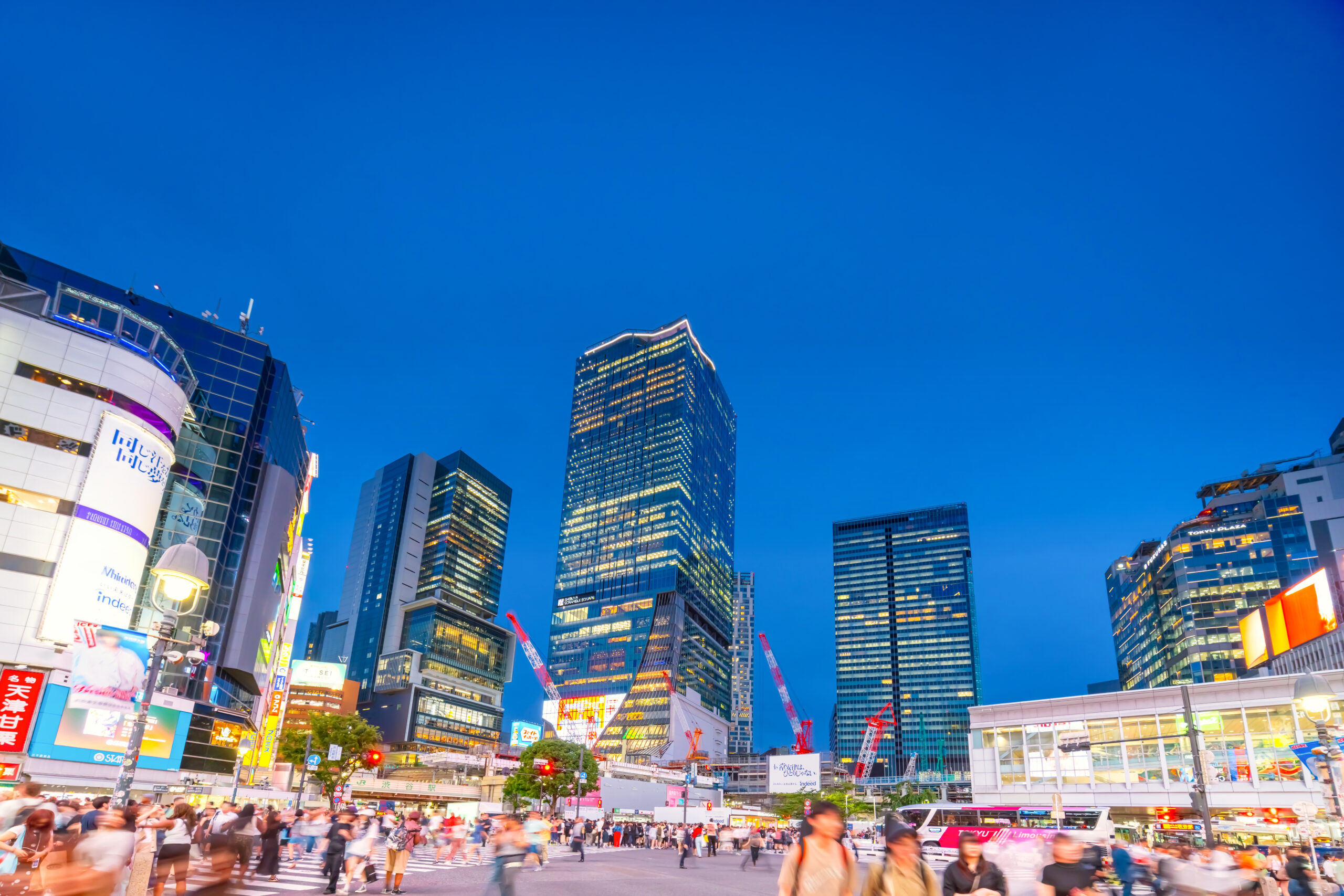
Shibuya can be a lot of fun with older children who want shopping, city views and the energy of modern Tokyo. With a baby or toddler, though, I’d think carefully about whether being in the middle of the crowds is actually useful.
See family hotels in Shibuya →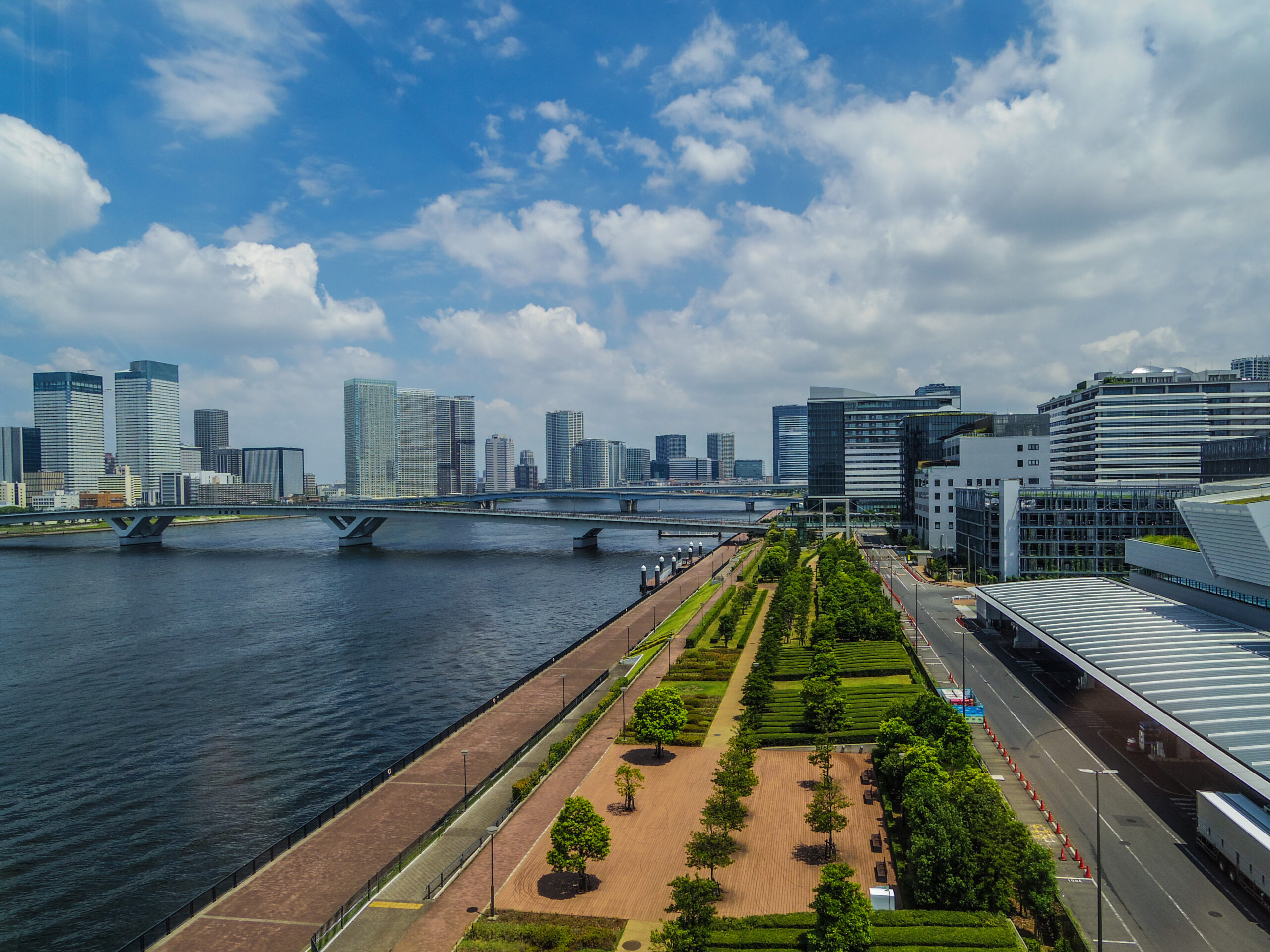
Toyosu and Ariake are much easier physically than places like Shibuya or Shinjuku. Pavements are wider, buildings are newer and indoor attractions are close by. I’d consider this area particularly if teamLab, KidZania or Odaiba are already part of the plan.
See family hotels in Toyosu & Ariake →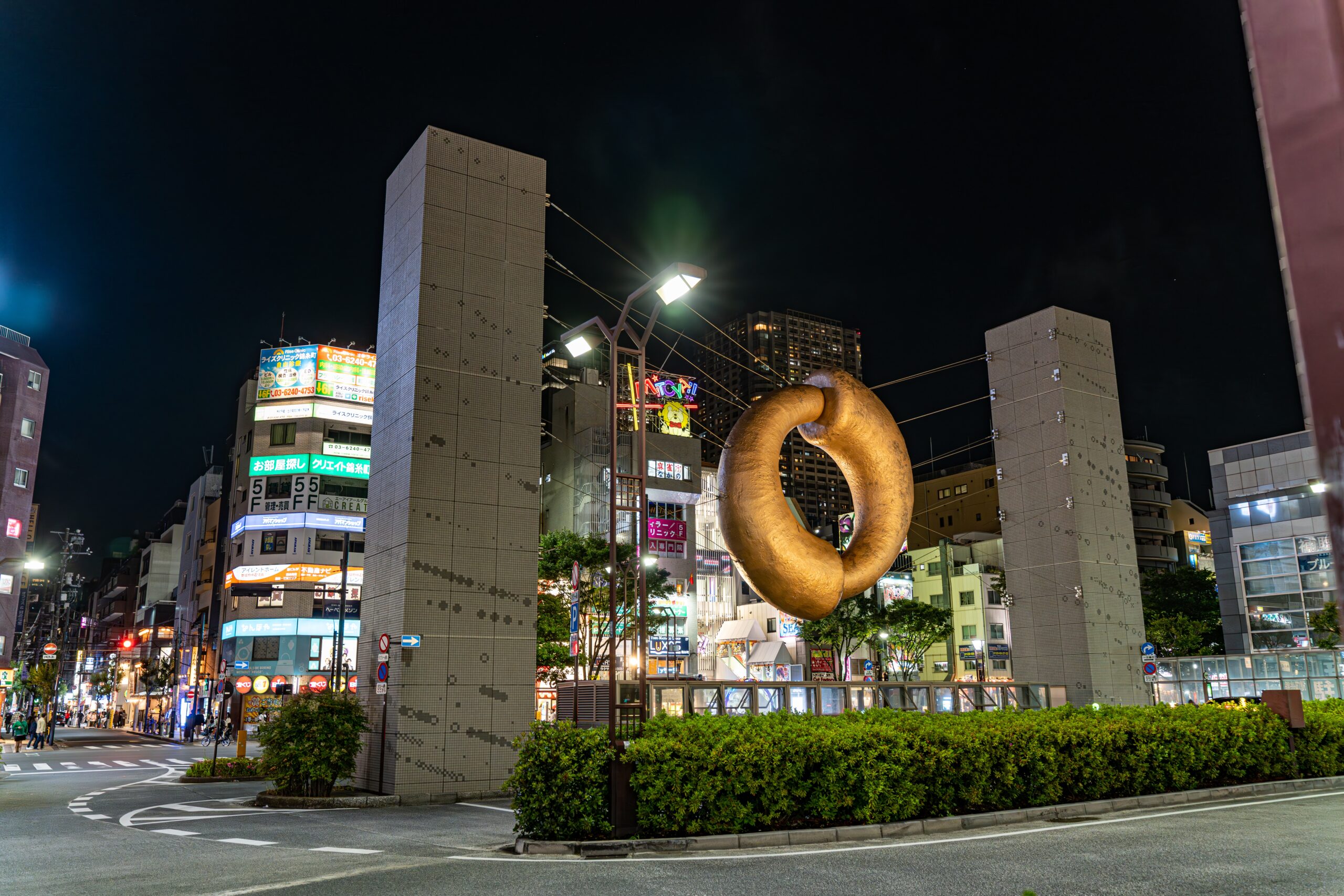
Kinshicho is more practical than pretty. You get useful shops, restaurants and strong east-Tokyo transport, often with better room value than the better-known districts. I’d pay attention to which side of the station the hotel is on, especially if neighborhood atmosphere matters to you.
See family hotels in Kinshicho →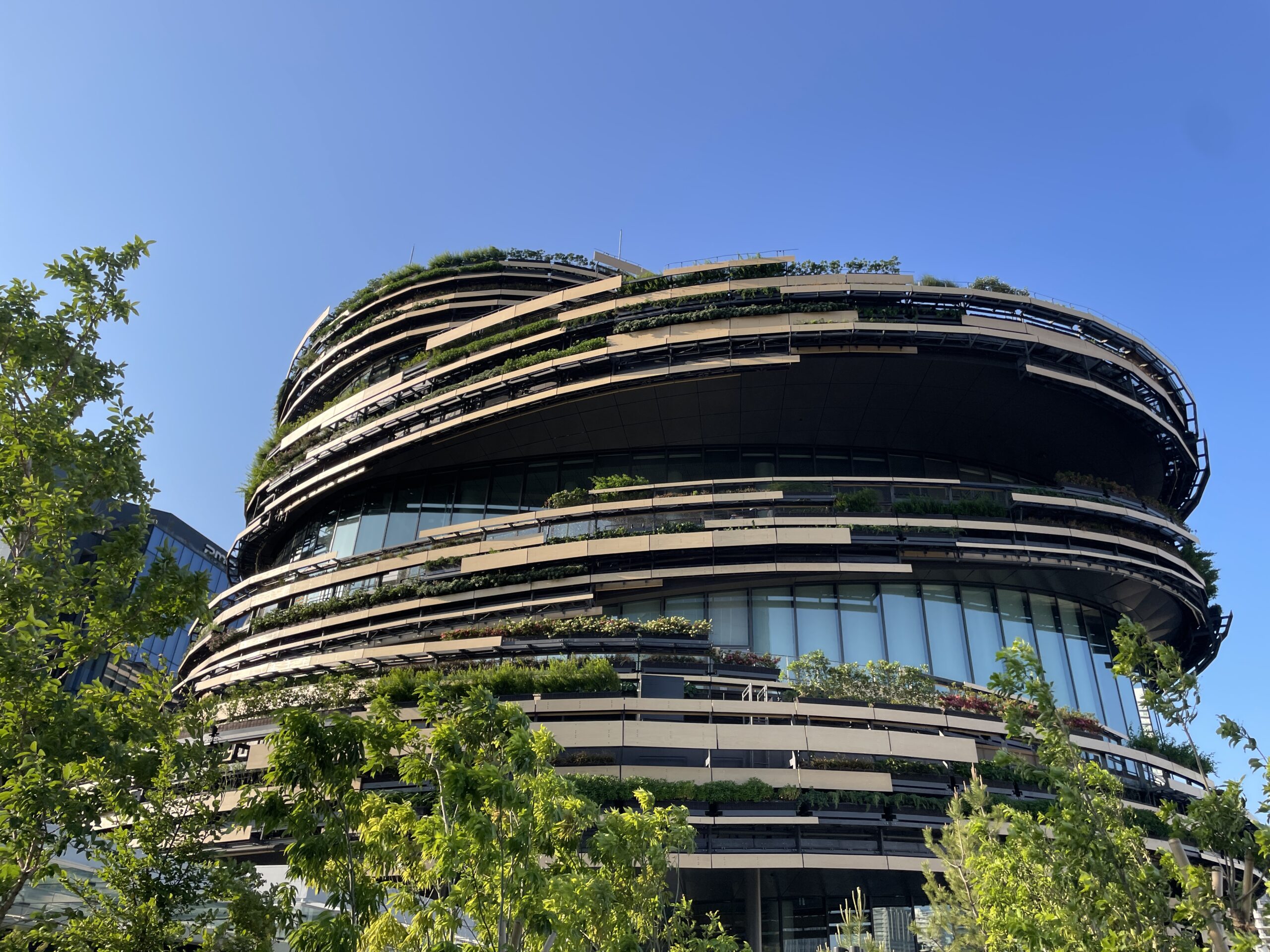
Shinagawa is not the area I’d choose for atmosphere, but it can be extremely convenient if you’re coming from Haneda or continuing by Shinkansen. Aqua Park also gives families an easy indoor activity close to the station.
Guide coming soon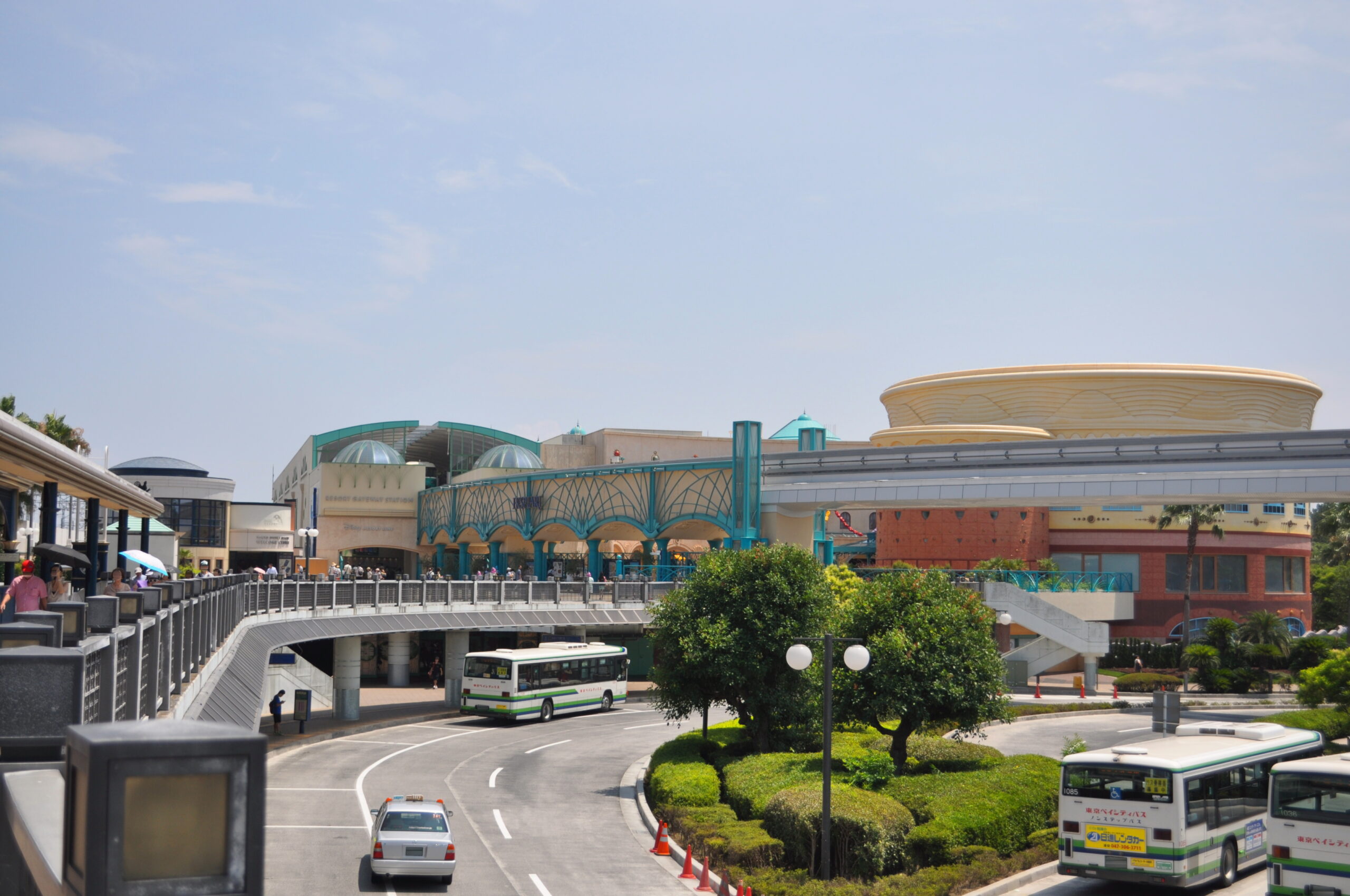
If Disney is taking up two or more days of the trip, staying near Maihama can save a lot of commuting. I wouldn’t use it as my default base for a sightseeing-heavy Tokyo trip, though; central and western Tokyo are much less convenient from here.
Disney hotel guide coming soonChoose by what you plan to do
Sometimes the easiest way to choose a neighborhood is simply to look at what will take up most of your trip.
How I’d narrow it down
If I were traveling with a baby or toddler, I’d put convenience ahead of nightlife or atmosphere. Marunouchi and Ginza would be high on my list because they’re central, relatively calm and easy for meals, taxis and department-store facilities.
For preschool and primary-school-age kids, I’d start with the attractions we actually planned to visit. Ueno makes a lot of sense for zoo and museum days, while Toyosu or Ariake works well if teamLab, KidZania and Odaiba are part of the trip.
Shinjuku and Shibuya are extremely convenient, but I think they’re easier once children are old enough to handle crowds and longer walks. They wouldn’t automatically be my first choice with a stroller.
And if Disney is the main event, I’d stay closer to Maihama rather than commuting back and forth from central Tokyo every day.
Before you book
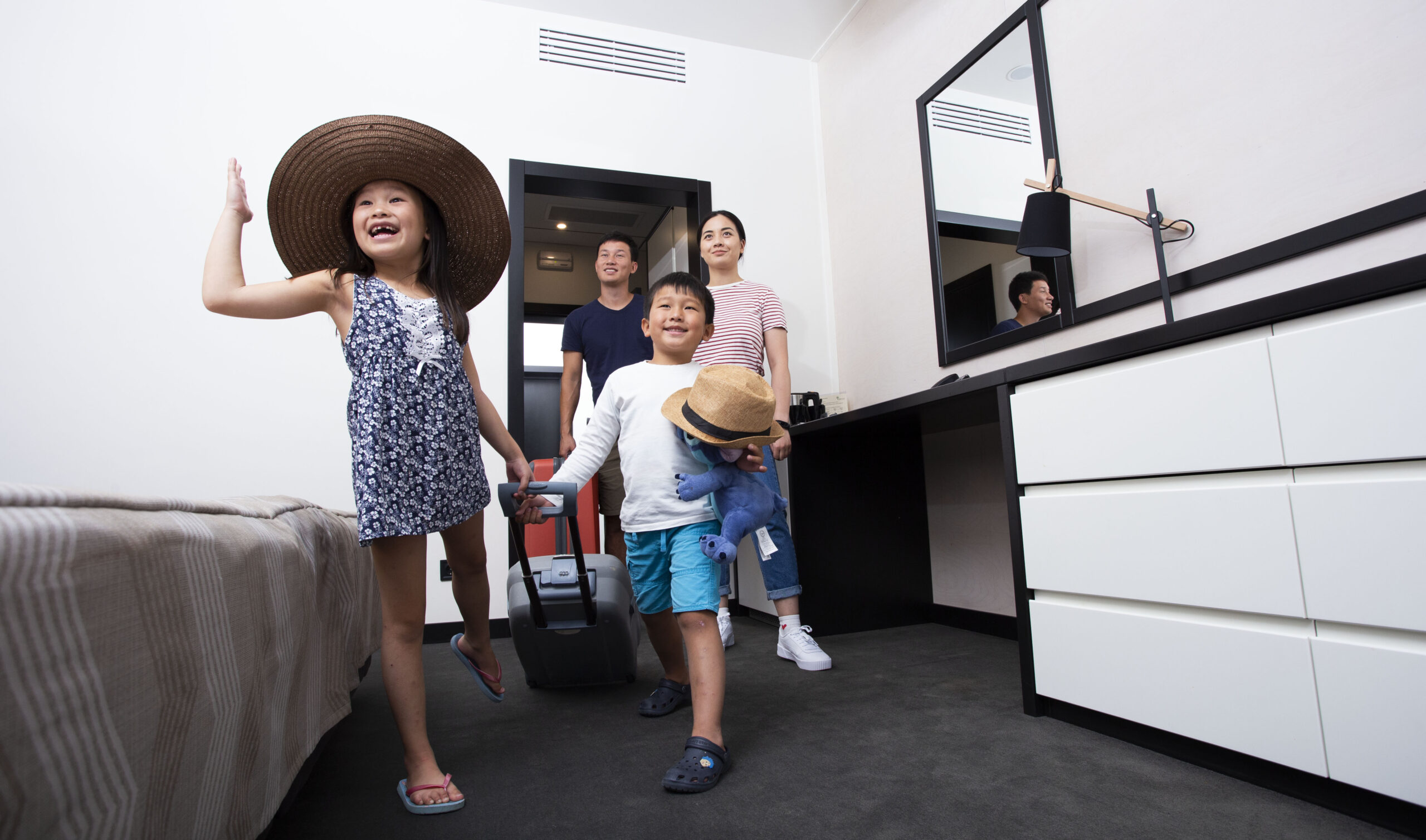
A few details that can make a surprisingly big difference when booking a Tokyo hotel for a family.
- Co-sleeping ≠ extra bed. “Children stay free” often means sharing an existing bed with a parent.
- 4 people doesn’t always mean 4 beds. Check the actual bed configuration, not just the stated room occupancy.
- Tokyo rooms can be small. Room size matters more when you’re travelling with luggage, a stroller, and multiple people.
- Check maximum occupancy. Some room types simply cannot be booked for a family of four, regardless of how young the children are.
- Cribs and bed guards may be limited. Request baby equipment when you book rather than waiting until arrival.
- Kitchens and laundry can be worth it. For longer stays, an apartment-style hotel can make daily family life considerably easier.
- Check the station exit, not just the station name. A hotel can look “next to the station” on a map and still involve a long underground walk, stairs or multiple elevator changes with luggage and a stroller.
- Check the hotel’s own website too. It’s often the clearest place to confirm children’s policies, bed configurations and baby equipment. Then compare the final price and cancellation terms across booking sites.
Featured guides
Keep planning the practical side of your Tokyo trip.
Still not sure which Tokyo area fits your trip?
Start with the places your family most wants to visit, then choose a neighborhood that keeps daily travel manageable. The Tokyo with Kids hub has more practical guides on transport, strollers, baby facilities and family sightseeing.