Traveling around Tokyo with a baby is very doable. It gets much easier once you stop trying to plan the trip the same way you would without children.
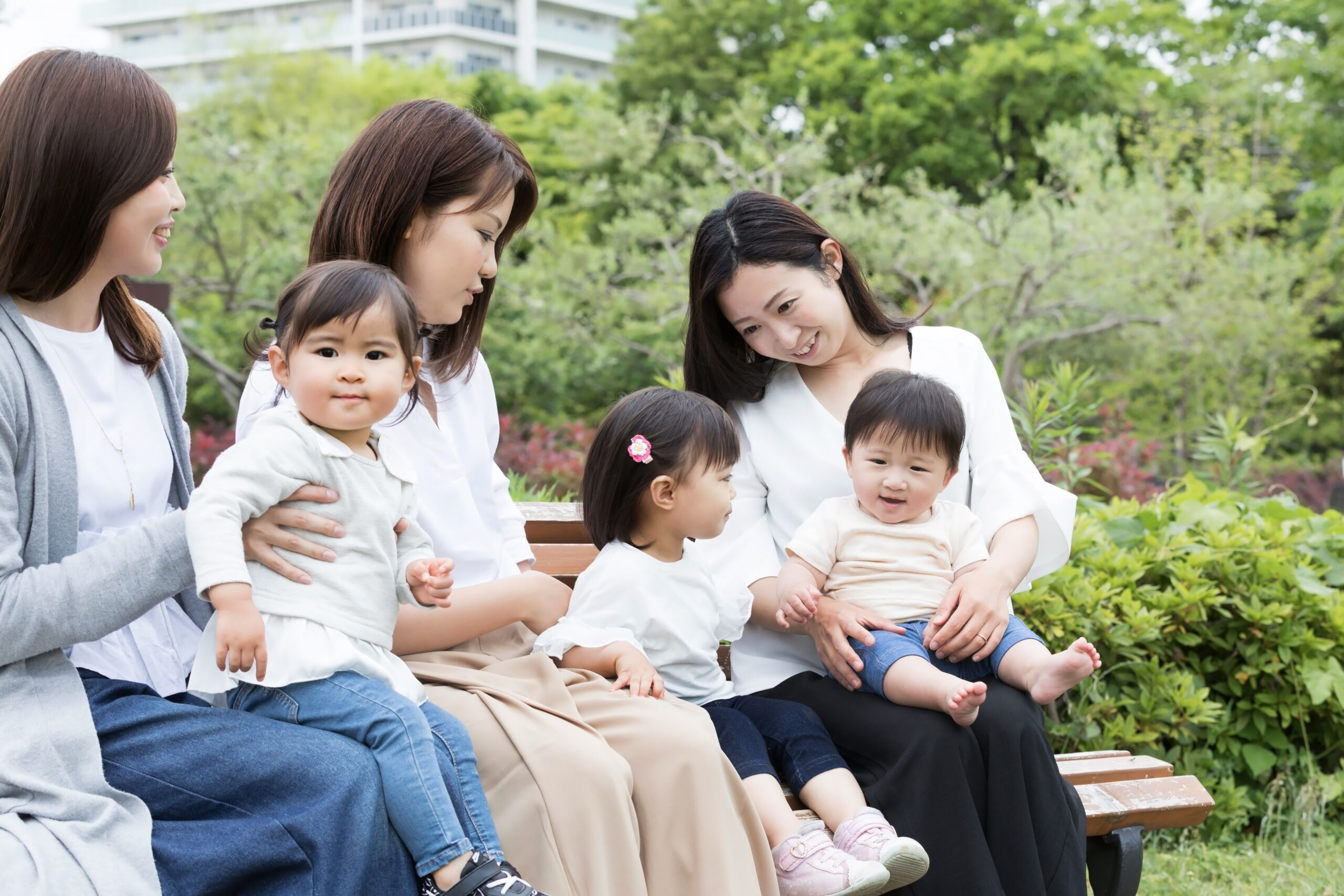
I live in Tokyo, and the things that make the biggest difference with a baby are usually not the famous attractions. They’re much more ordinary: knowing when a stroller will help, finding the elevator before everyone is tired, having somewhere reliable to feed or change the baby, and occasionally deciding that a taxi is worth more than another train transfer.
Tokyo has excellent facilities for babies in many places, but they’re not evenly distributed. A large department store can have a beautiful nursing room, hot water for formula and several changing tables, while the small restaurant next door may barely have space for your stroller.
That’s really the skill with Tokyo and a baby: the city is well equipped, but you need to know where the easy places are.
Yes — I’d feel comfortable bringing a baby to Tokyo. A few things make the trip much easier:
- Bring a lightweight stroller, but use a baby carrier too if you can
- Avoid the busiest commuter periods when possible
- Department stores and large shopping malls are extremely useful with babies
- Plan fewer things than you think you can fit into a day
- Stay reasonably central rather than adding long train journeys to every outing
- Bring several days’ worth of diapers, wipes and any baby food or formula your child really relies on
- Don’t assume every restaurant, onsen or hotel pool has the same policy for babies
I’d also build some flexibility into every day. If a baby naps for 90 minutes in the stroller, I’d let that become part of the itinerary rather than treating it as lost sightseeing time.
Family Compatibility
How are babies treated in Japan?
Parents sometimes worry about this before coming to Japan. In everyday life, I wouldn’t describe Tokyo as unfriendly to babies. You’ll often see people smile at a baby, and older people in particular may tell you how cute your child is. At the same time, interaction with strangers tends to be relatively restrained — people are less likely to touch your baby or start a long conversation than they might elsewhere.
The bigger cultural difference is probably around space and noise, not hostility toward babies. Babies cry — nobody can realistically prevent that. But in quieter places, Japanese parents will often step outside for a few minutes if a child becomes very upset, and on trains, people also tend to avoid blocking doors or walkways with a stroller.
I wouldn’t spend the trip worrying about whether your baby is bothering people. I’d simply use the same practical judgement local parents do: move aside when you need to stop, avoid the worst rush hour if possible, and choose restaurants that physically work with a baby.
What makes Tokyo easier — and what makes days harder
The biggest advantage is the infrastructure inside large commercial buildings. Department stores, newer shopping centres and larger attractions often have nursing rooms, changing tables, family toilets, hot water for formula, sinks, seating and elevators in one place. I often think of a department store as infrastructure rather than shopping — if everyone needs a break, you can go inside, change the baby, feed them, get something to eat yourself and get out of the weather.
Days get harder in fairly predictable ways: rush-hour trains, enormous stations, an elevator route that doubles back on itself, a tiny restaurant that can’t fit a stroller, summer heat and humidity. Trying to visit four or five major attractions in one day usually backfires, and arriving right at the lunch rush with a hungry baby rarely goes well either. Even something as small as waiting until you’re completely out of diapers before buying more can turn an easy afternoon into a stressful one.
A slower Tokyo trip is usually a much better Tokyo trip with a baby.
Getting around Tokyo with a baby
Stroller or baby carrier?
If possible, I’d bring both. A stroller is extremely useful in Tokyo because sightseeing usually involves a lot of walking, and it’s somewhere for a baby to nap while you keep moving. The problem is that “stroller accessible” doesn’t always mean “stroller convenient.” A station may have an elevator, but reaching it can mean walking to the other side of the station, changing floors twice, or exiting several hundred metres from where you wanted to be.
That’s where a carrier helps — particularly for crowded stations, restaurants with very little space, places with stairs, and a sleeping or unhappy baby on a busy train.
For a much more detailed breakdown, see our Do You Need a Stroller When Traveling to Tokyo? guide.
Trains and subways
Tokyo trains are very manageable with a baby outside the busiest periods. Many trains have a wheelchair and stroller space marked with accessibility symbols — if I’m travelling with a stroller, I look for those areas rather than squeezing into the middle of a crowded carriage. The time I’d try hardest to avoid is weekday commuter rush hour, when a stroller that feels completely normal at 11 a.m. can become extremely awkward at 8 a.m.
With a baby, I care more about the last ten minutes of a journey than the total train time. A hotel or attraction can look close to a station on the map, but if the accessible exit is on the far side of the building, that “five-minute walk” can turn into fifteen with a stroller. A 20-minute direct journey is often easier than a 12-minute route that involves stairs or a difficult transfer — so allow more time than Google Maps suggests, and keep this in mind again later when you’re choosing where to stay.
Do you have to fold the stroller on trains?
Not automatically. Parents in Tokyo regularly use strollers on public transport. If the carriage is extremely crowded, though, folding it may be more practical if you can safely hold the baby — I wouldn’t deliberately enter the most crowded carriage with a large stroller when another option is available.
There’s a big difference between travelling normally with a baby and trying to squeeze into rush-hour Tokyo.
Taxis are sometimes worth it
I wouldn’t try to prove that I can do every journey by train. With a sleeping baby, rain, shopping bags or an exhausted parent, a short taxi can completely change the end of the day — a ten-minute ride can replace a walk to the station, finding an elevator, one train, another elevator, a transfer, and another ten-minute walk.
Tokyo’s public transport is excellent. That doesn’t mean you have to use it for every journey.
A day out in Tokyo with a baby
You don’t need every stop to be specifically “for babies.” Sometimes what you need is simply somewhere with space, and somewhere indoors close by for when the weather or the baby doesn’t cooperate.
Good outdoor places
Shinjuku Gyoen is one of the places I like with younger children because the paths are broad and there’s enough open space that you don’t constantly feel you’re in someone’s way. A stroller works well here, and it’s an easy place to let the baby nap while the adults still get to enjoy part of Tokyo. I’d go earlier in the day, particularly on busy weekends.
Yoyogi Park is useful when you want an unstructured couple of hours rather than another attraction — walk, stop, feed the baby, leave whenever you need to. The area around Harajuku can be extremely crowded, so I’d approach from the quieter side if the baby is already tired.
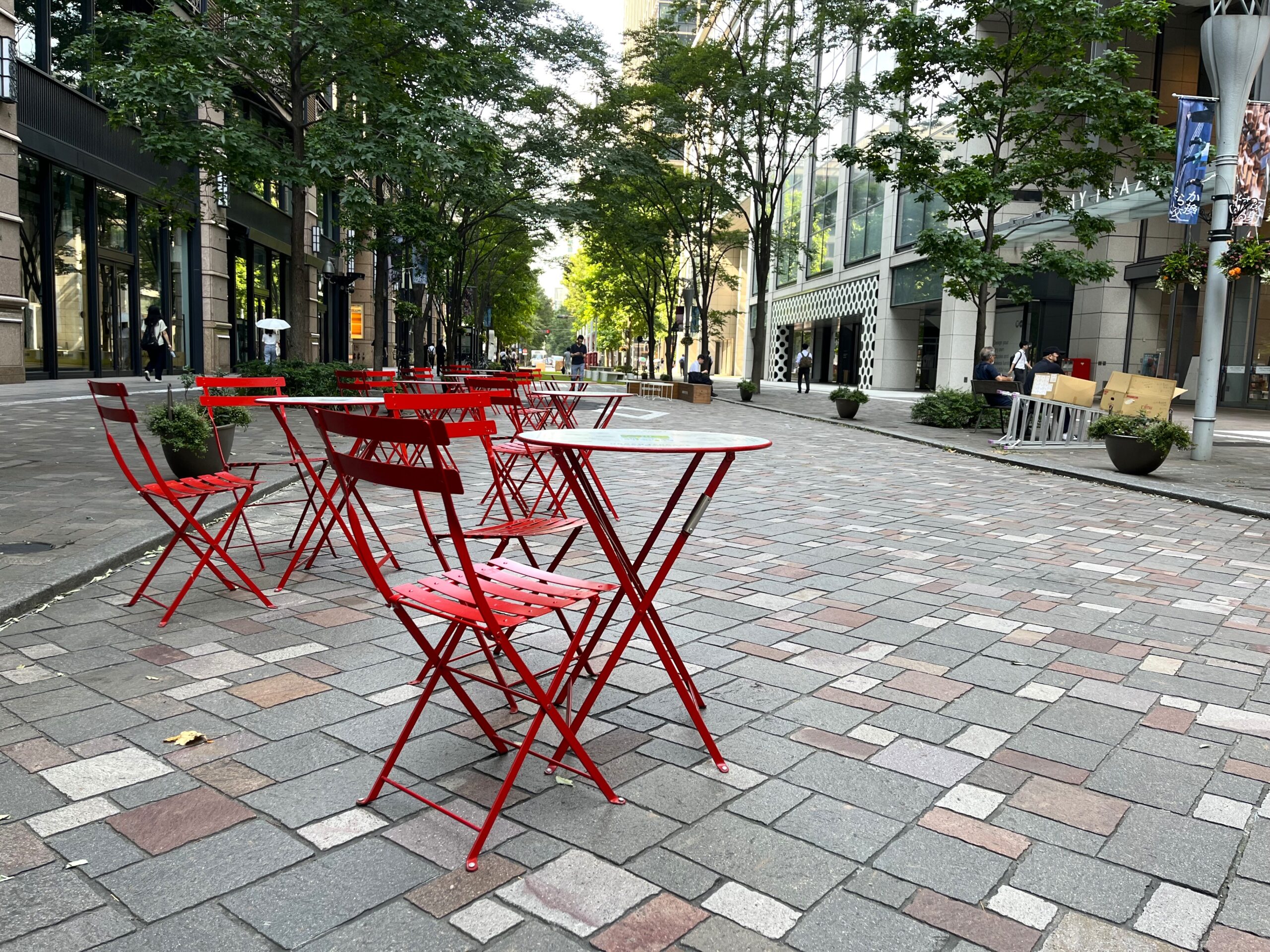
Hibiya and Marunouchi combine outdoor space with very good indoor backup. Hibiya Park, the Imperial Palace area, Marunouchi’s wide pavements and nearby department stores make it easy to change plans if the weather turns bad or everyone needs food.
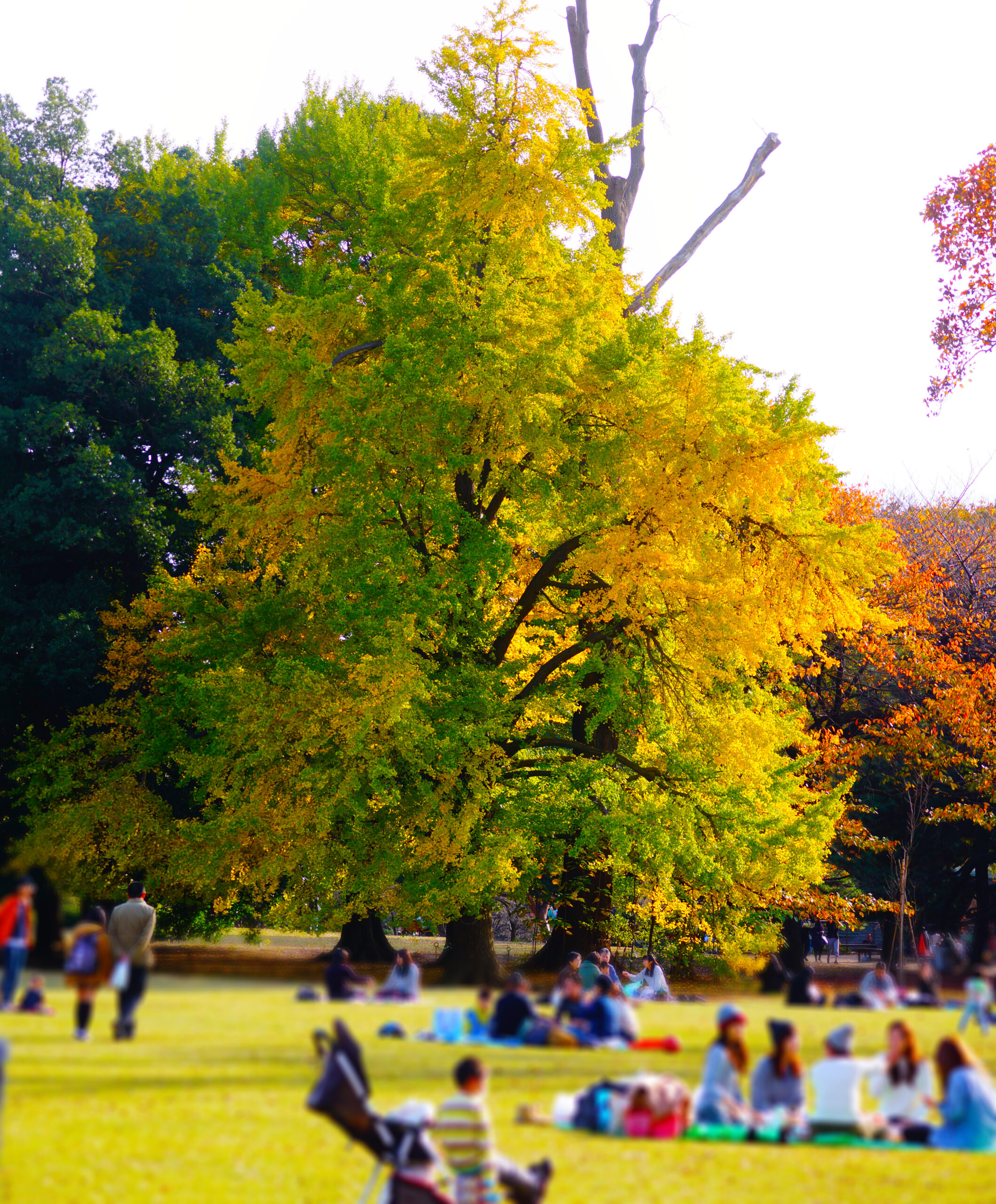
Cherry blossom season is beautiful, but I’d change the timing rather than avoid it — popular parks get very crowded around lunch and on weekends. With a baby, I’d rather arrive early in the morning, walk through while it’s still relatively calm, and move somewhere indoors before the busiest part of the day. A crowded hanami picnic isn’t something I’d personally make a priority with a very young baby.
For a longer list of specific spots, see our full guide to baby-friendly places in Tokyo.
Indoor places are your backup plan
Tokyo weather isn’t always cooperative — summer can be extremely hot and humid, rainy season is wet, winter can be cold. With a baby, I always want an indoor option nearby.
This is one of the things international visitors don’t always realise before coming to Japan: places such as Ginza Mitsukoshi, Shinjuku Takashimaya, Daimaru Tokyo, and the major department stores around Ikebukuro and Shinjuku can be extremely useful with a baby. You’re not going there only to shop — you’re going there because there are toilets, elevators, restaurants, changing areas and somewhere to sit.
Eating and feeding
Restaurants with a baby
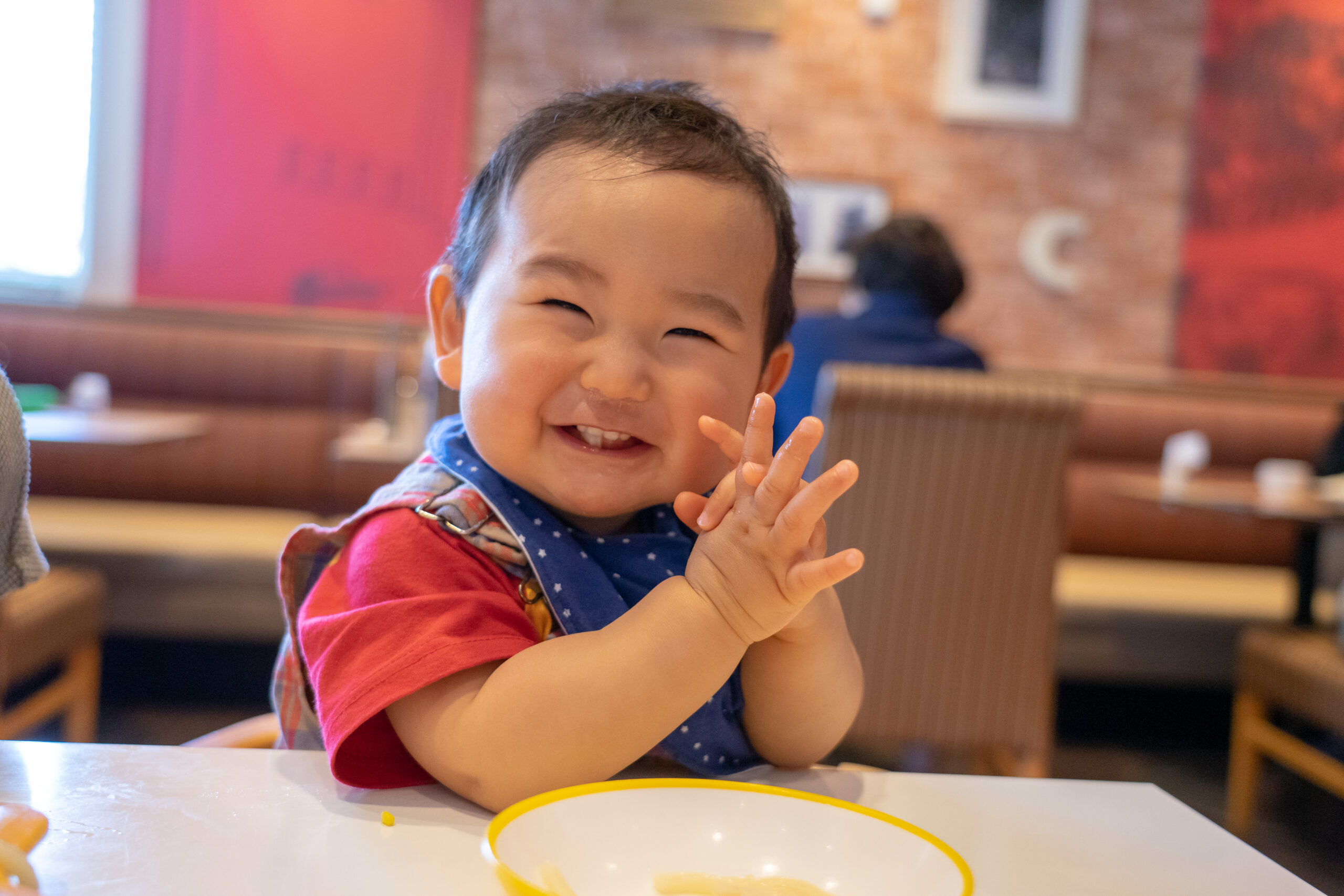
You can absolutely eat out with a baby in Tokyo, but restaurant type matters more than any general idea of “Japan being family-friendly.” Family restaurants, department-store restaurants, shopping-mall restaurants and larger casual chains are usually the simplest — they commonly have highchairs, kids’ menus and space for a stroller, and toilets nearby.
Small restaurants can be a completely different experience. A tiny ramen shop with ten counter seats may not be suitable for a stroller at all, and some small sushi restaurants, izakaya, counter-only restaurants and formal restaurants may not accept babies or young children. Sometimes that’s a policy. Often it’s simply a space issue — a restaurant that’s six feet wide may genuinely have nowhere to put your stroller. I wouldn’t interpret it as “Japan doesn’t like babies.”
If a restaurant is important to your trip, I’d check its child policy before travelling across Tokyo for it.
Baby food in restaurants
Outside food isn’t normally something you simply bring into Japanese restaurants. Baby food is often treated more flexibly than ordinary outside food, but I’d still ask before opening it — something like “Baby food, is this OK?” while showing the container. If the restaurant isn’t suitable, a department-store baby room can sometimes be a much easier place to feed a baby than trying to manage a tiny restaurant.
Buying baby food in Japan
Baby food is widely available, but knowing what the packaging means helps a lot. I’d look first at Akachan Honpo, larger drugstores, supermarkets and baby stores. Some convenience stores carry baby food too, particularly in family-heavy or resort areas, but I wouldn’t rely on a random convenience store having the exact meal or age range you need.
Japanese baby food is commonly labelled by approximate age — “か月頃から” means roughly “from around X months”:
| Japanese | Meaning |
|---|---|
| 5か月頃から | From around 5 months |
| 7か月頃から | From around 7 months |
| 9か月頃から | From around 9 months |
| 12か月頃から | From around 12 months |
Don’t choose only by the picture on the packet — texture and ingredient size also change with the recommended age, from rice porridge and vegetables to fish, noodles and complete meal packs. If your baby is very particular about texture or flavour, I’d bring enough familiar food for the first day or two.
Food allergies
If your child has a serious food allergy, I wouldn’t treat Japan’s labelling system as interchangeable with the one you use at home. Packaged foods have regulated allergen labelling, but the list and how allergens are handled aren’t identical to every other country, and restaurant information is generally less standardised.
If the allergy is severe, I’d bring familiar safe food where practical, carry a Japanese allergy communication card, check ingredients rather than relying on a quick “yes/no” answer, and ask about cross-contact if that matters for your child. This is one situation where I’d prioritise certainty over trying lots of unfamiliar food.
Formula and bottles
You can buy infant formula in Japan. At baby stores and larger drugstores you may see powdered formula, individual stick packs, cube-style formula, and ready-to-feed liquid formula — the formats are actually quite convenient for travel. Many larger baby rooms in shopping centres and department stores have hot-water dispensers for preparing bottles, though facilities vary, so I still carry what I need for the next feed rather than depending on finding one at exactly the right time.
I wouldn’t switch formula casually if your baby has a sensitive stomach, allergies or uses a specialist product. If you use a particular bottle nipple, formula brand or a medically necessary formula, I wouldn’t plan to replace it after arrival — bring enough of your normal one from home.
Baby supplies
Diapers: should you bring them?
You can buy diapers in Japan. The real question is whether you want to spend part of your holiday looking for the right ones. This is one area where I’d be more conservative than some general Japan guides — I’d bring at least several days’ worth, particularly if the baby is sensitive to brands, you need an unusual size, you’re arriving jet-lagged, or you’re travelling outside a major city immediately.
Central-city shops are often small, large packs take up a lot of shelf space, and the exact size you need may not always be convenient to find — sometimes diapers are stocked upstairs in small drugstores that are awkward to reach with a stroller. This isn’t a suggestion to bring the entire trip’s supply, just enough of a buffer that you’re not hunting on day one.
I’d rather spend the first two days of my trip seeing Tokyo than comparing diaper packets in three pharmacies.
Understanding Japanese diaper sizes
Check the weight range in kilograms rather than relying on S, M or L alone — Japanese packs usually print it below the size on the package.
| Label | Meaning |
|---|---|
| 新生児 | Newborn |
| S | Small |
| M | Medium |
| L | Large |
| BIG | Large toddler size |
| ビッグより大きい | Bigger than Big |
| テープタイプ | Tape-style diaper |
| パンツタイプ | Pull-up / pants-style diaper |
Japanese stores stock familiar names such as Pampers as well as brands including Merries, Moony and MamyPoko. If your child is bigger and still uses diapers, I’d plan this in advance — larger sizes can be less reliable to find in small central-city shops.
Where to buy baby supplies
| What you need | Where I’d look first |
|---|---|
| Diapers | Akachan Honpo, large drugstore, supermarket |
| Wipes | Drugstore, supermarket, some convenience stores |
| Baby food | Akachan Honpo, larger drugstore, supermarket |
| Formula | Baby store or large drugstore |
| Specific diaper size | Akachan Honpo / larger baby store |
| Emergency supply | Convenience store, if stocked |
Babies R Us / Toys R Us and some Don Quijote stores are also worth checking, though not every branch stocks diapers.
For a longer stay, ordering supplies through Amazon Japan and having them delivered to the hotel can save a trip out — ask the hotel first whether they accept packages for guests and how the delivery should be addressed.
Dirty diapers
Use designated diaper bins where provided — don’t assume every public toilet has one. If there’s no appropriate bin, bag the diaper and carry it until you find somewhere suitable. I’d carry small disposal bags in the stroller, and don’t flush ordinary baby wipes down the toilet.
Nursing, changing and bathrooms
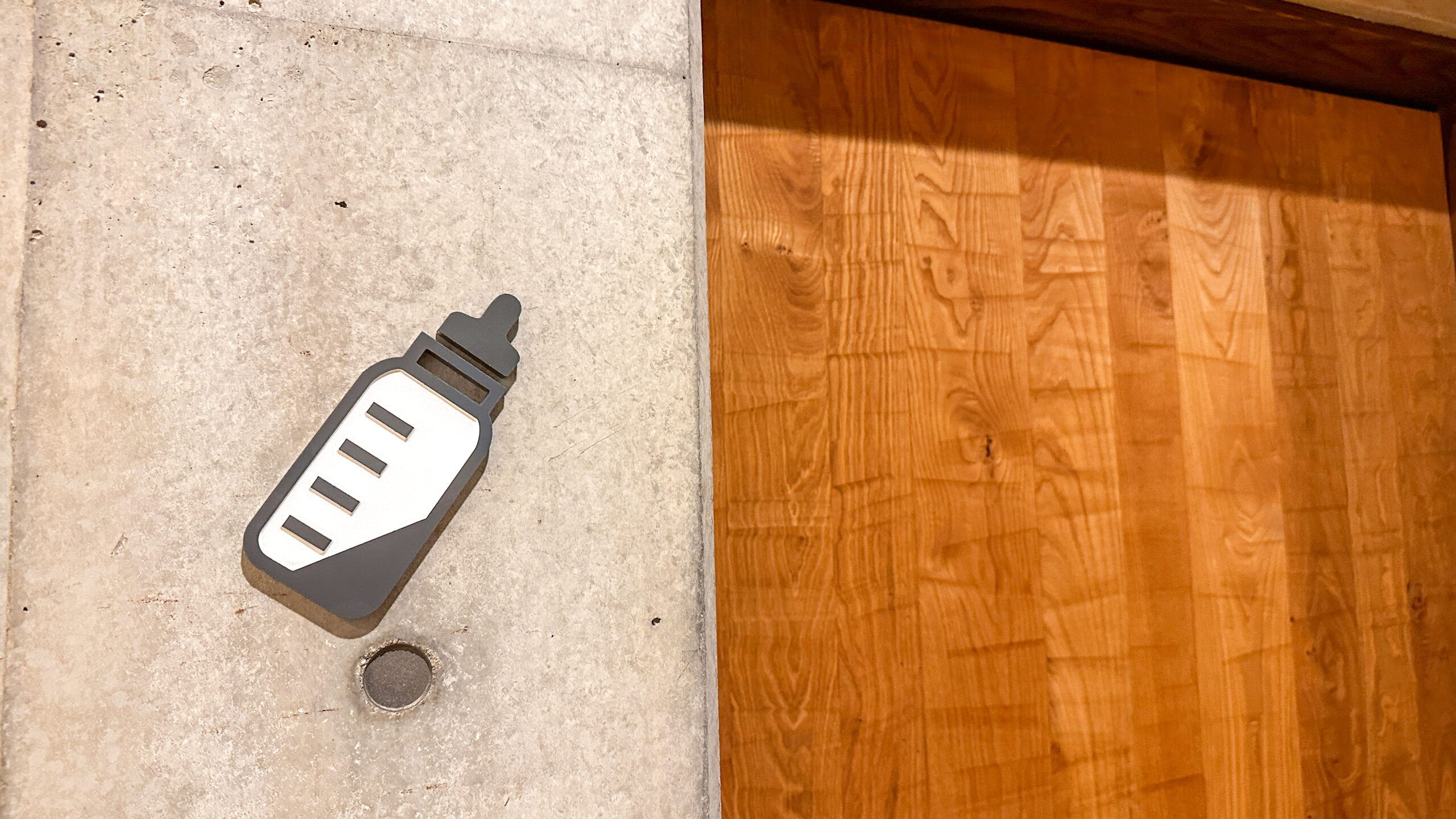
Tokyo’s nursing facilities can be excellent. The easiest ones tend to be in department stores, large shopping centres, major attractions and some major stations, where you might find private nursing spaces, changing tables, hot water, sinks, seating, microwaves and family toilets — though not every location has every facility. For finding what’s nearby, an app like Mamamap / MamaPapaMap is useful for changing tables, toilets and breastfeeding spaces.
Breastfeeding isn’t something I’d worry excessively about in Japan, but it tends to be done relatively discreetly. Tokyo has enough nursing rooms that many parents simply use them when one is nearby — but the existence of a nursing room doesn’t mean you’re required to use it. If you prefer to breastfeed elsewhere, use your normal judgement.
Baths, onsen and hotel pools
This deserves more nuance than “babies can/can’t use an onsen.” For a very young baby, a normal hotel bath is usually the easiest option — you control the temperature, there’s no question about other guests, and you don’t have to worry about the property’s diaper policy.
I personally wouldn’t make communal onsen a priority with a very young baby. At some family-oriented ryokan and hot-spring hotels, you’ll see a small baby bath or plastic tub provided so the baby can bathe separately from the communal spring, and that’s often the option I’d choose — hot spring water may be quite hot and can have a strong mineral composition, which may not suit sensitive baby skin. Policies also vary: some facilities allow babies, others don’t allow children still in diapers in the shared bath. A private family bath can be much easier. If an onsen is important to your stay, I’d check the baby policy before booking the ryokan rather than after arrival.
Hotel swimming pools work the same way — there’s no single Japan-wide rule. Depending on the property, a swim diaper may be allowed or required, a waterproof cover may also be needed, children who aren’t toilet-trained may be restricted, and there may be minimum ages or set pool hours. Don’t assume that because a hotel advertises a pool your baby can automatically use it, and I’d bring your own swim diapers rather than assuming the hotel sells them.
If the pool is one of the reasons you’re choosing the hotel, I’d check this before you book. For a very young baby, I’d think less about “can we technically enter?” and more about whether the water temperature and environment will actually be comfortable.
A realistic daily rhythm
A few etiquette points that make Tokyo easier
These aren’t rules to obsess over — they’re simply things that make a crowded city work better.
- Avoid the busiest trains when you have a choice
- Use stroller/wheelchair areas where available
- Move to the side before stopping to check directions
- Change diapers at a changing table rather than in a public seating area
- Ask station staff when you can’t find an elevator route
If a baby is extremely upset in a quiet restaurant, stepping outside for a few minutes is considerate when practical. One thing I’d particularly emphasise: don’t be afraid to ask. Tokyo residents may not volunteer assistance immediately, but staff are generally used to accessibility questions.
A simple Tokyo day that often works
You don’t need a military schedule, but I find this rhythm more realistic than trying to visit five places.
Morning: Do the thing you care about most. Babies and parents are usually in their best condition, popular attractions are quieter and the weather may be easier.
Lunch: Eat a little before the main rush if possible — 11:00–11:30 can be dramatically easier than trying to find space at exactly noon with a stroller.
Early afternoon: Let this be flexible — nap in the stroller, use a department store, walk through a park, or go back to the hotel.
Late afternoon: Choose something close. Don’t cross Tokyo just because you have one empty box left on the itinerary.
Evening: Keep dinner simple. Trying to fit in one last attraction is often the moment the day falls apart.
Common mistakes I’d avoid
Staying too far out. A cheaper room can become expensive in time and energy if every day begins and ends with a long train ride.
Planning too much. Everything takes longer with a baby — that’s not a Japan problem, it’s a baby problem.
Assuming every station exit works with a stroller. It doesn’t — look for the accessible route, and build in the extra time it usually takes.
Waiting until supplies run out. Buy the next pack of diapers, or check the next feed of formula, while you still have a buffer.
Assuming “children allowed” means baby-friendly. A restaurant can accept children and still have no highchair, no stroller space and no changing table — and the same logic applies to hotel pools, spas and communal baths, which don’t automatically allow babies just because the hotel is family-oriented.
Where to stay in Tokyo with a baby
With a baby, I’d prioritise location, station access, room size, bathroom setup and whether you can easily return for naps — over nightlife or shaving a small amount off the nightly rate.
The “last ten minutes” idea from earlier applies here too: a hotel two minutes from the wrong station exit isn’t necessarily an easy hotel. I’d also want enough floor space to actually open a stroller or a suitcase without a production, and a bathroom setup that works for bathing a baby, not just showering.
Tokyo Station/Marunouchi, Ginza and some other central areas can work very well precisely because they make daily logistics easier — being able to go back for a nap without losing an hour to trains matters more than most people expect before the trip. See our full Where to Stay in Tokyo with Kids guide for the differences between neighborhoods.
More practical Tokyo guides
Planning the rest of your Tokyo trip?
Start with where to stay, then work out how much stroller you actually need. Both decisions make the rest of a Tokyo trip with a baby much easier.